The Silence of Tumacácori
Time is a selective historian
Sixty miles north of the Mexican border, Mission San Xavier del Bac stands as the "White Dove of the Desert." It is a preserved miracle—cared for, intact, and very much alive. But history is rarely so kind to the frontier.
Follow the Santa Cruz River south, and you find its broken sister: Mission San José de Tumacácori.
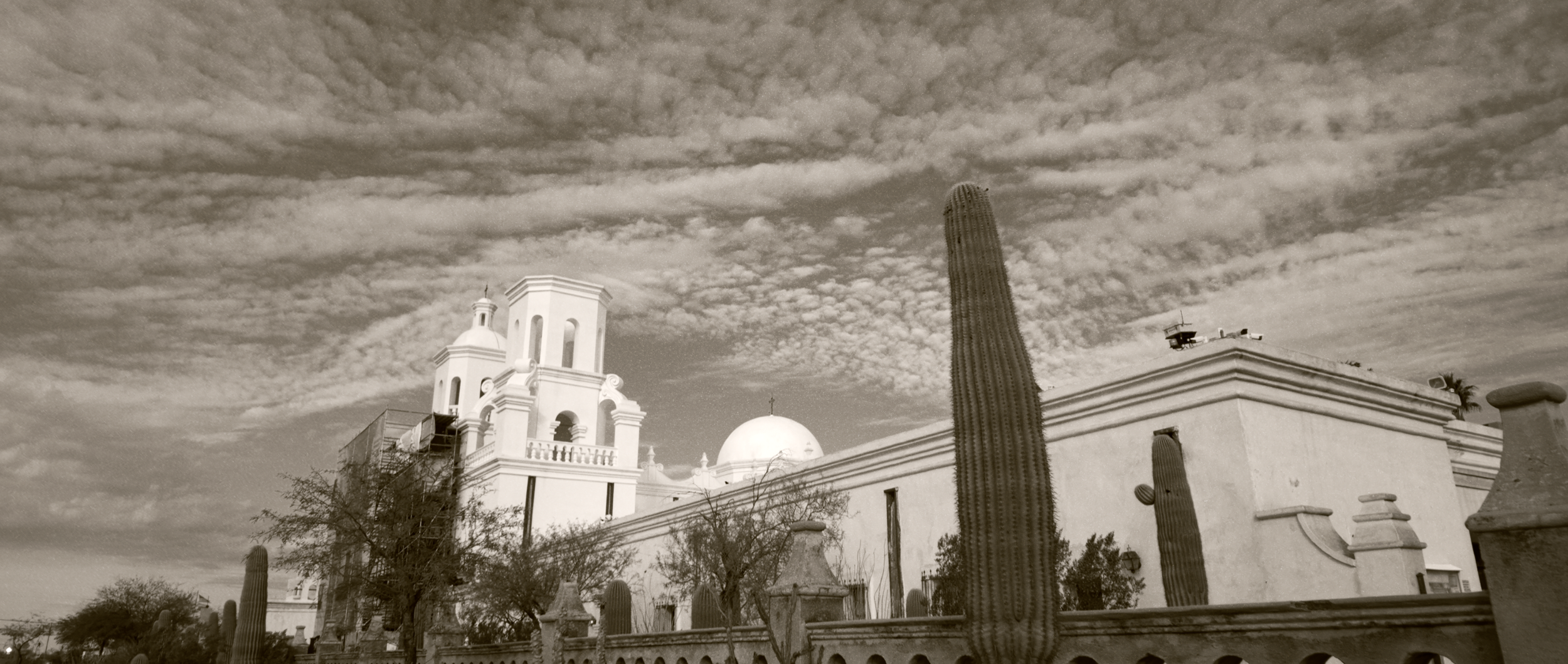
San Xavier del Bac, Tucson,
Arizona, USA
The Architecture of Failure
Built by the same hands, from the same blueprints, and for the same faith, these two missions shared a single origin. But while San Xavier was shielded by the growth of Tucson, Tumacácori was left to the frontier. By the winter of 1848, the community reached its breaking point. Under the relentless pressure of Apache raids, disease, and starvation, the people abandoned the walls. They carried their holy statues north to San Xavier and surrendered their homes to the dust.
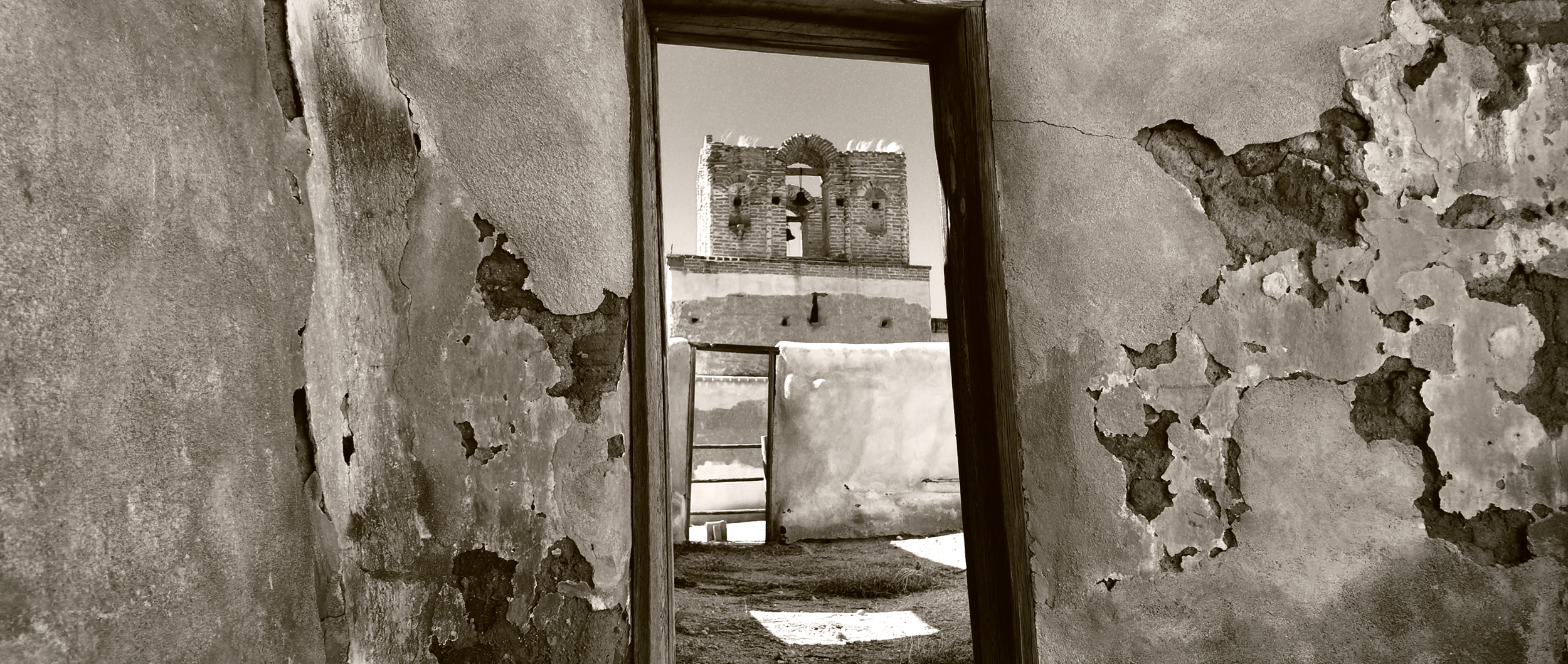
Tumacacori, Arizona, USA
Plate I: The Main Facade
The grand ambition of the Spanish frontier, rendered in silver. This plate captures the weathered face of the church—a defiant structure that was meant to be a cathedral but became a ruin.
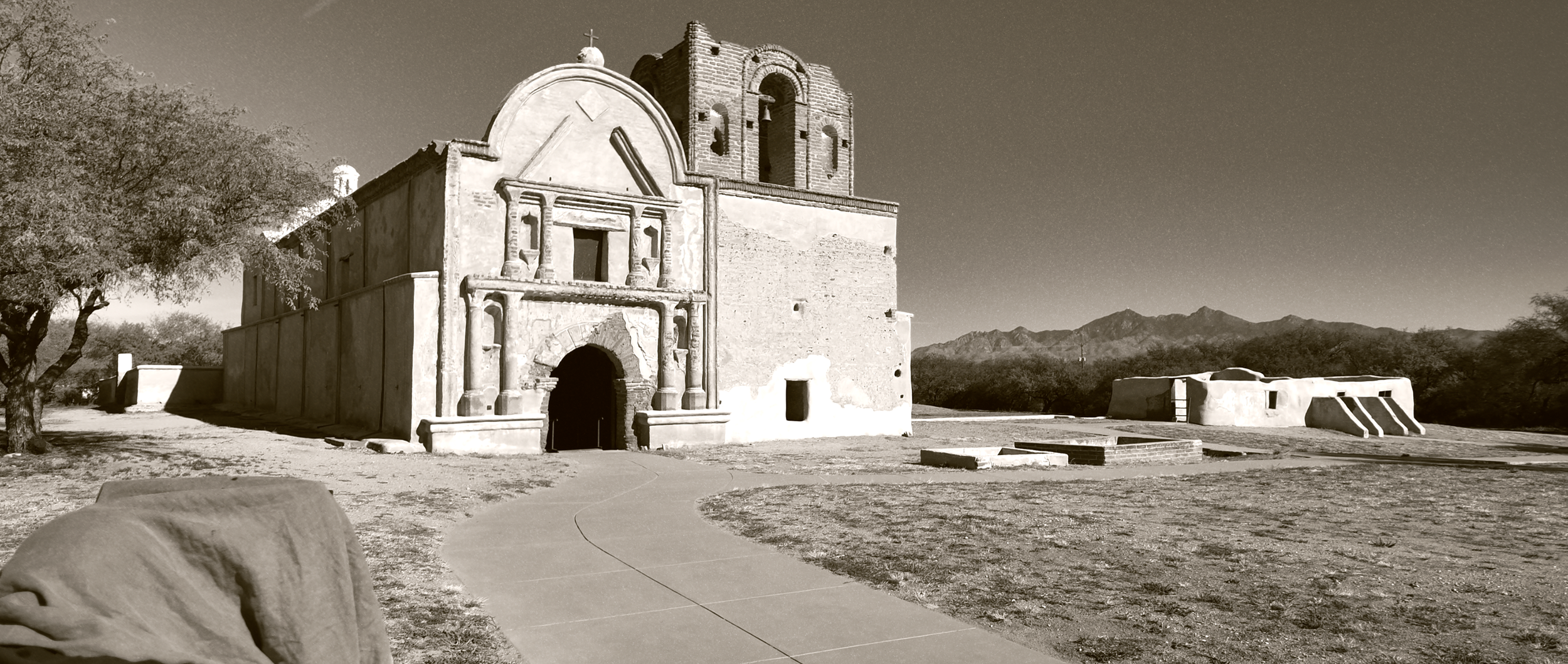
Tumacocori, Arizona, USA
Plate II: The Adobe Ruins
A study of the six-foot-thick walls that eventually failed. This angle shows the skeleton of the mission, where the adobe is slowly being reclaimed by the Sonoran Desert.
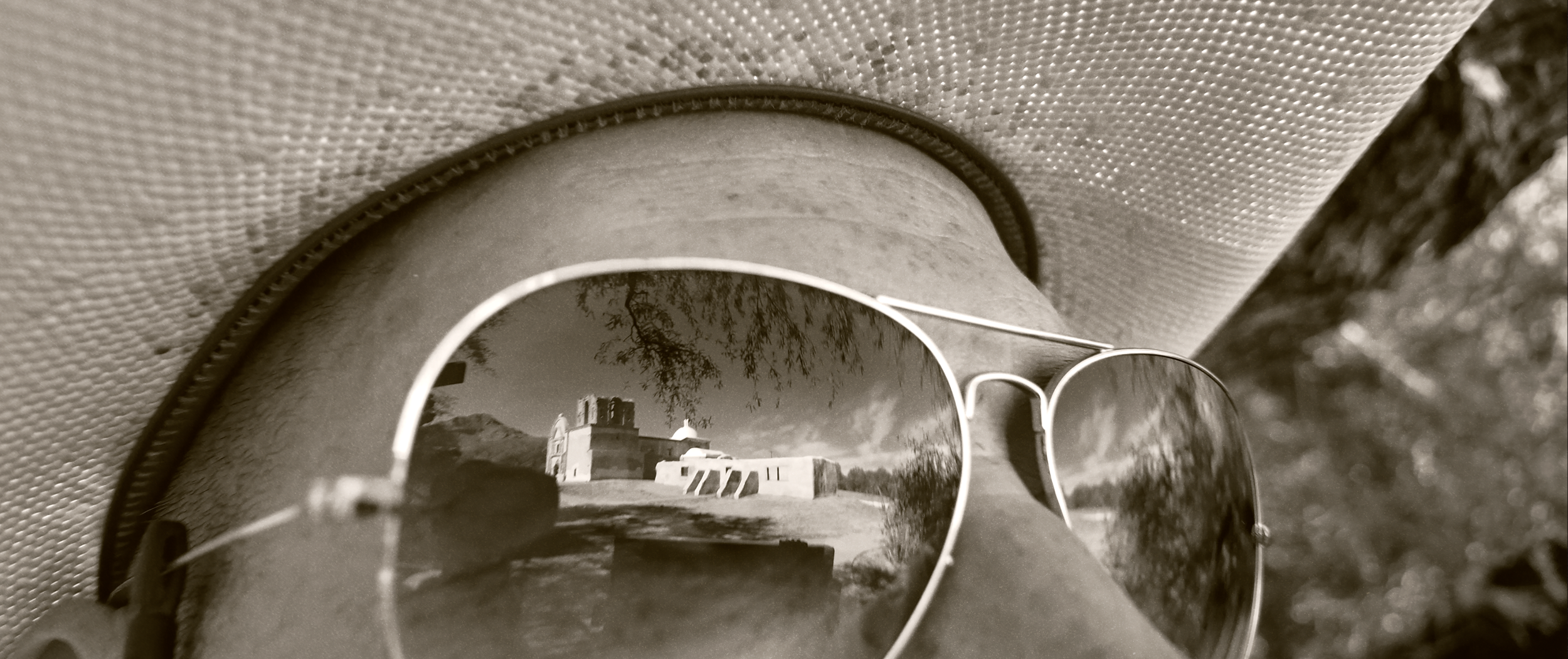
Tumacocori Adobe, Arizona, USA
Bringing Home The Frontier
Both images from this project are now available as limited edition fine-art prints in the shop. Each print is a record of that specific chemical reaction—a physical link to a mission that the desert tried to erase.
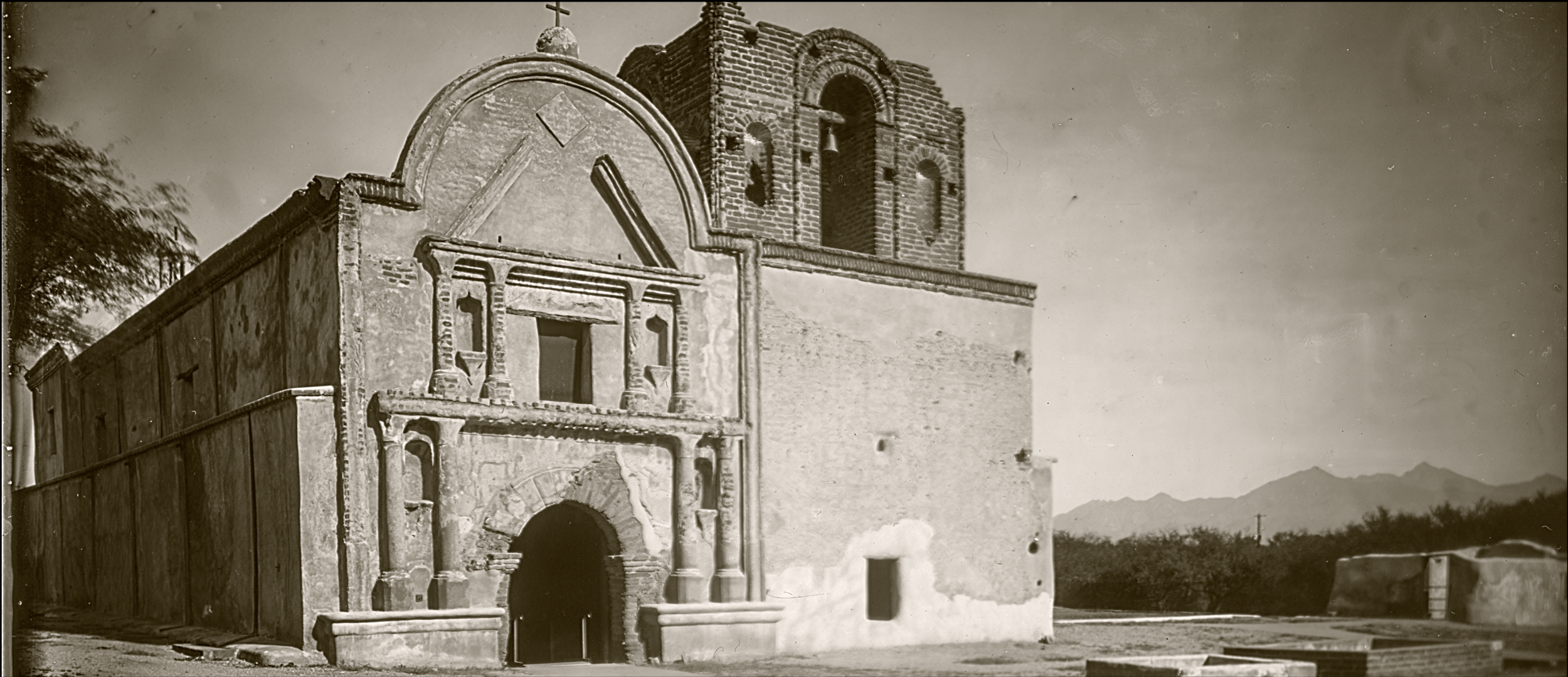
Tumacacori I - Dry Plate Collodion Print by Daniel Leocadi
Field Conditions
Camera: 8×10 large format field camera
Process: Dry plate collodion
Plate: Hand-coated, prepared in advance
Exposure: Single committed exposure
Development: After returning from the field
Light was shaped bright sun. Wind and dust were present but manageable. Winter temps.
Why This Image Exists as a Print
Dry plate images are physical artifacts. Each plate carries slight variations in coating, tone, and surface character that cannot be duplicated.
This image was never meant to live only on a screen.
As a print, it becomes what the subject already is:
layered
patient
resistant to replacement
The object matters as much as the image.
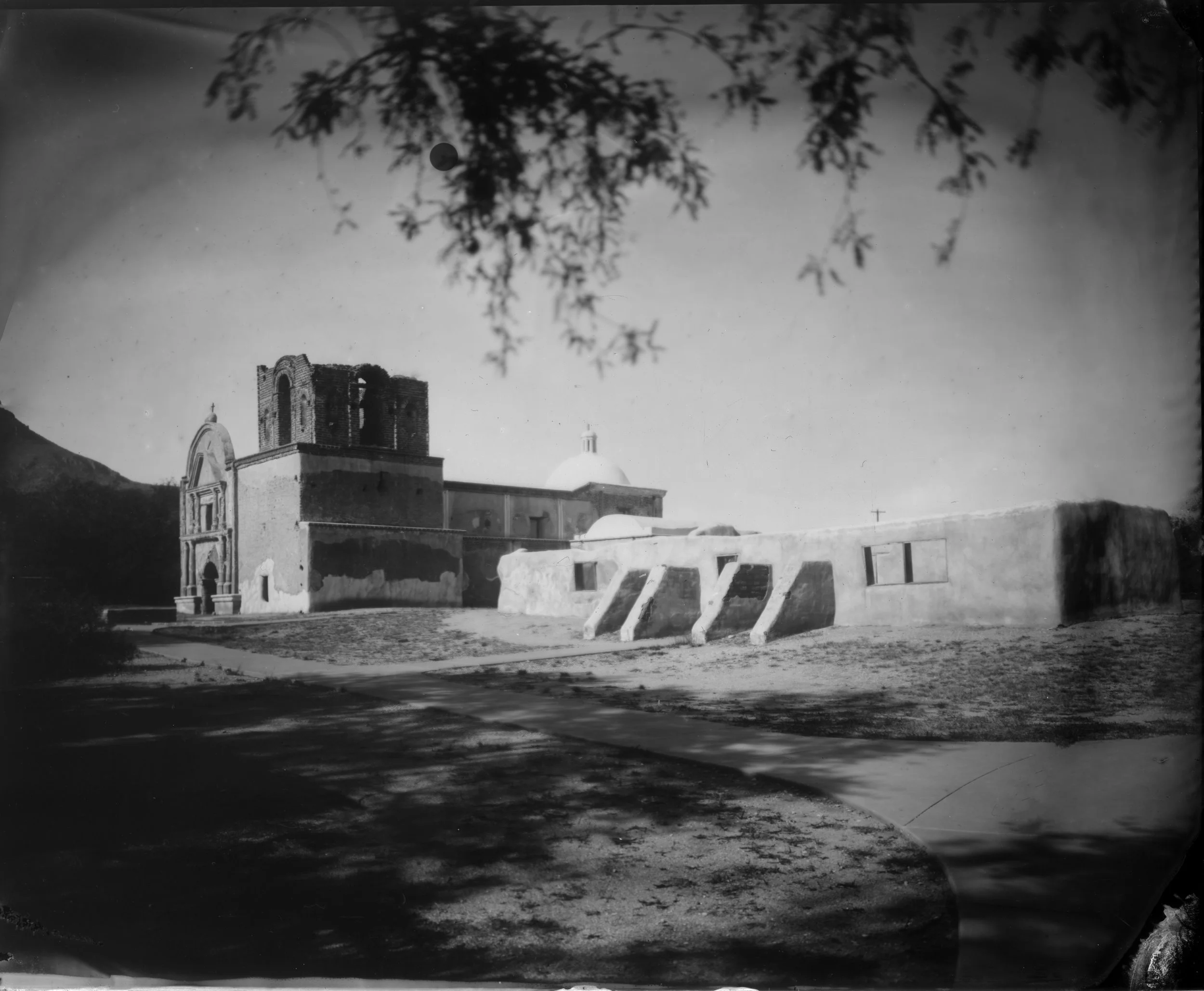
Plate II - Tumacacori Adobe Ruins - Dry Plate Collodion Print by Daniel Leocadi
Closing Note
This plate exists at the intersection of process, place, and time—where a slow photographic method meets a surface that has already outlasted countless observers.
Watch the Film: Large Format Photography at Tumacacori | Dry Plate Collodion Revival
If you want to own a piece of this journey, the print from the film is available here:
