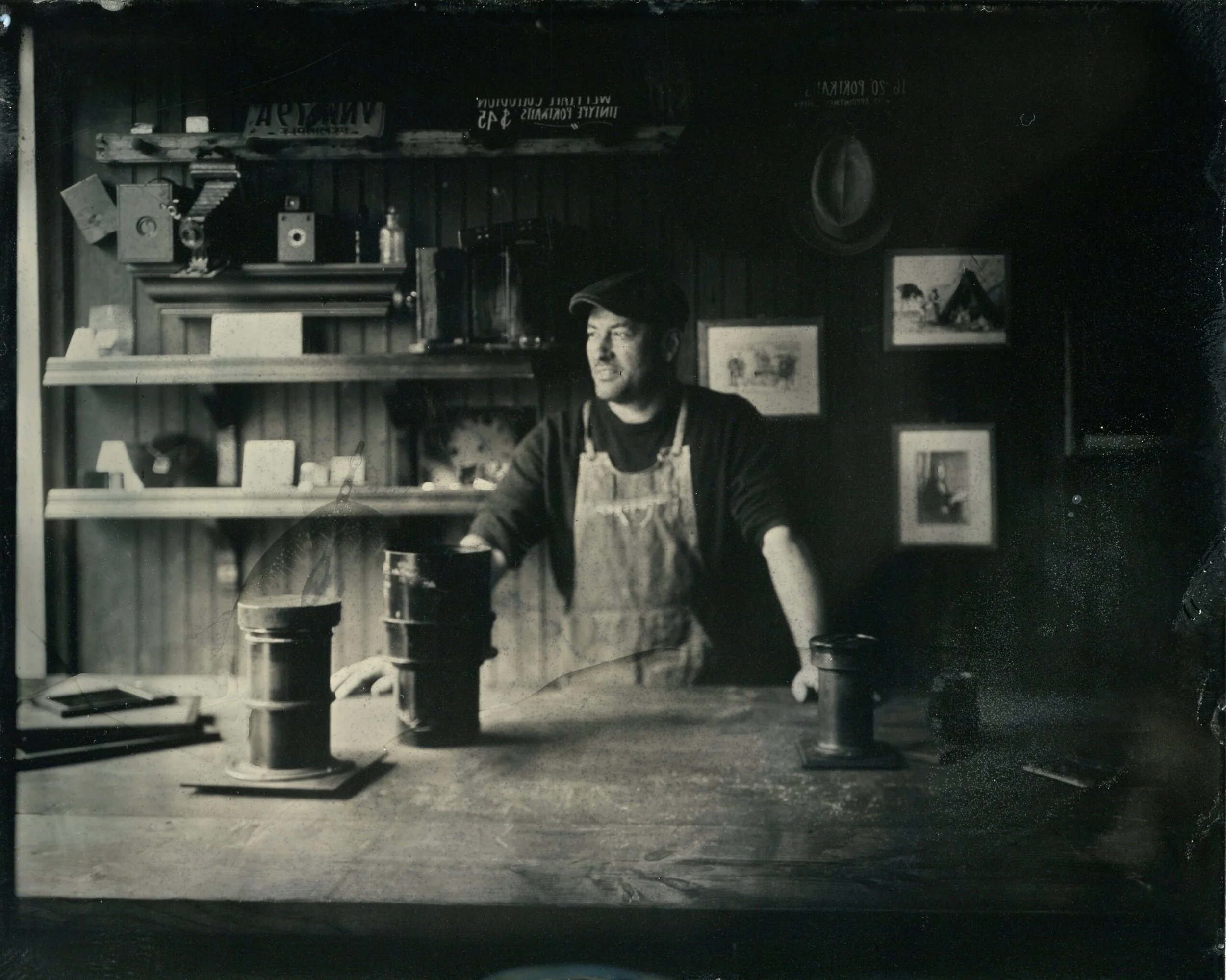
Tintype Photographer in Lambertville, NJ
Experience Photography from the Gilded Age

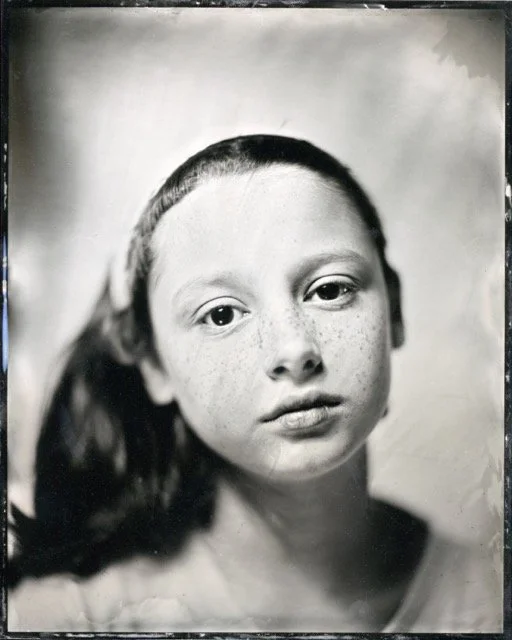
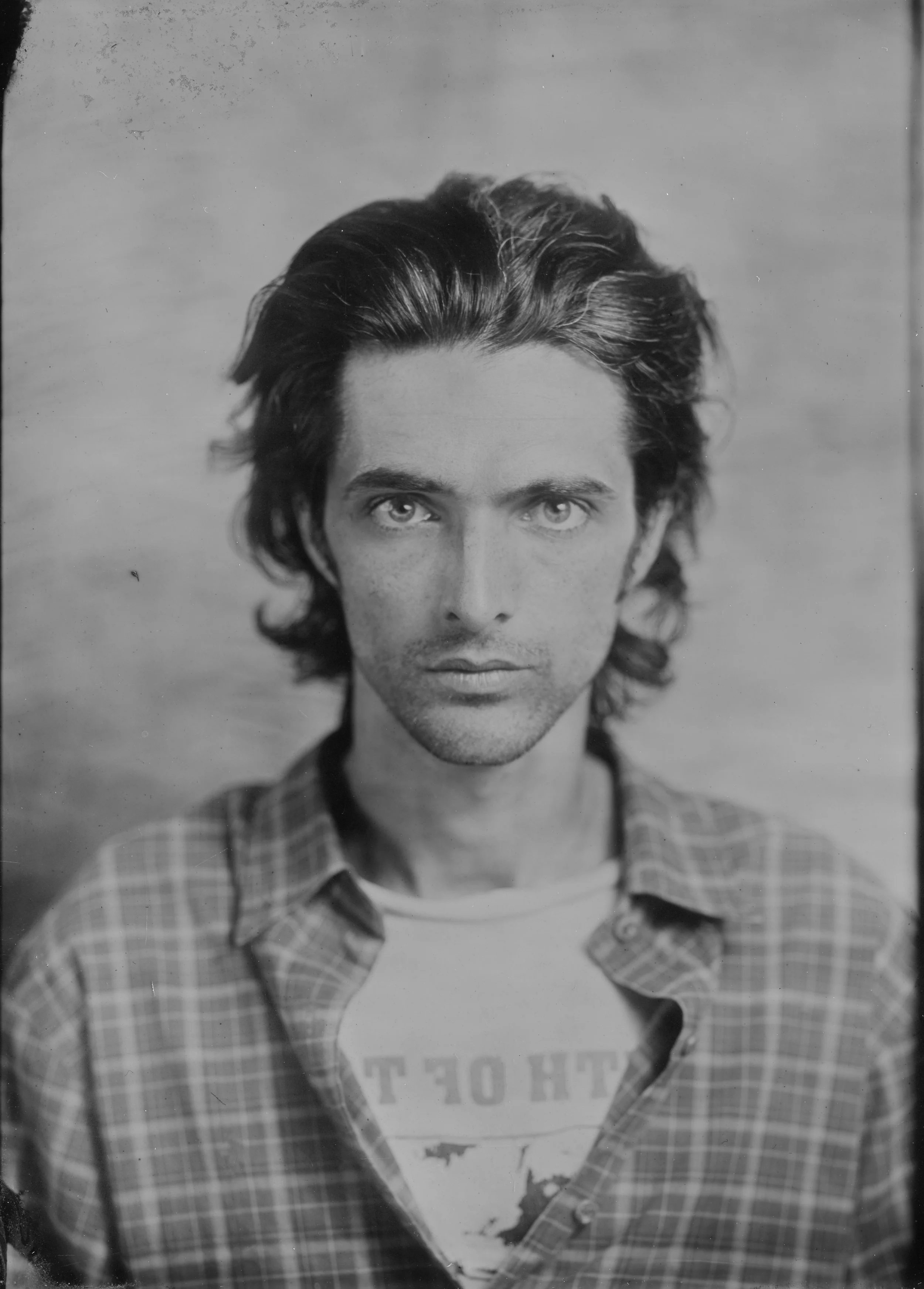
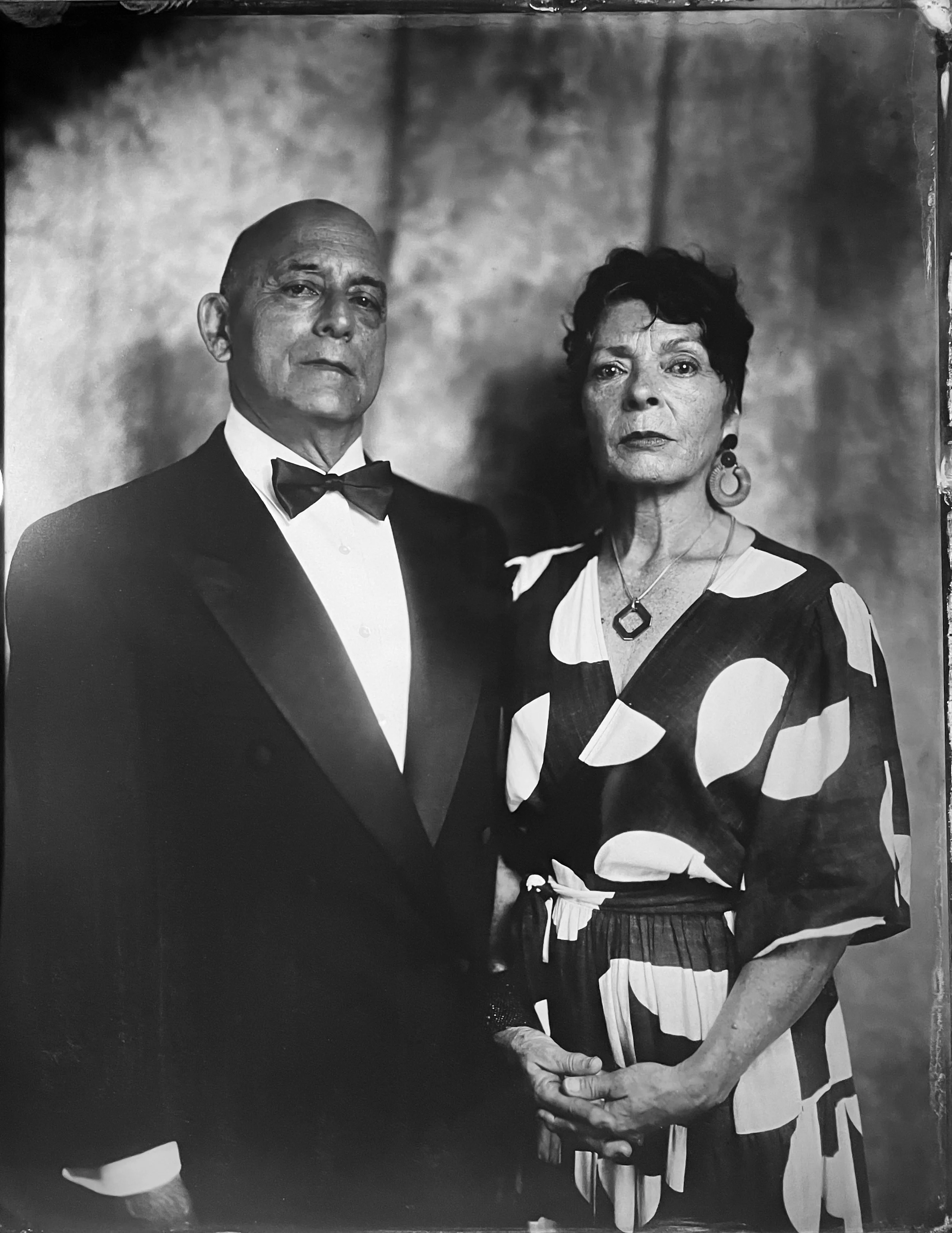
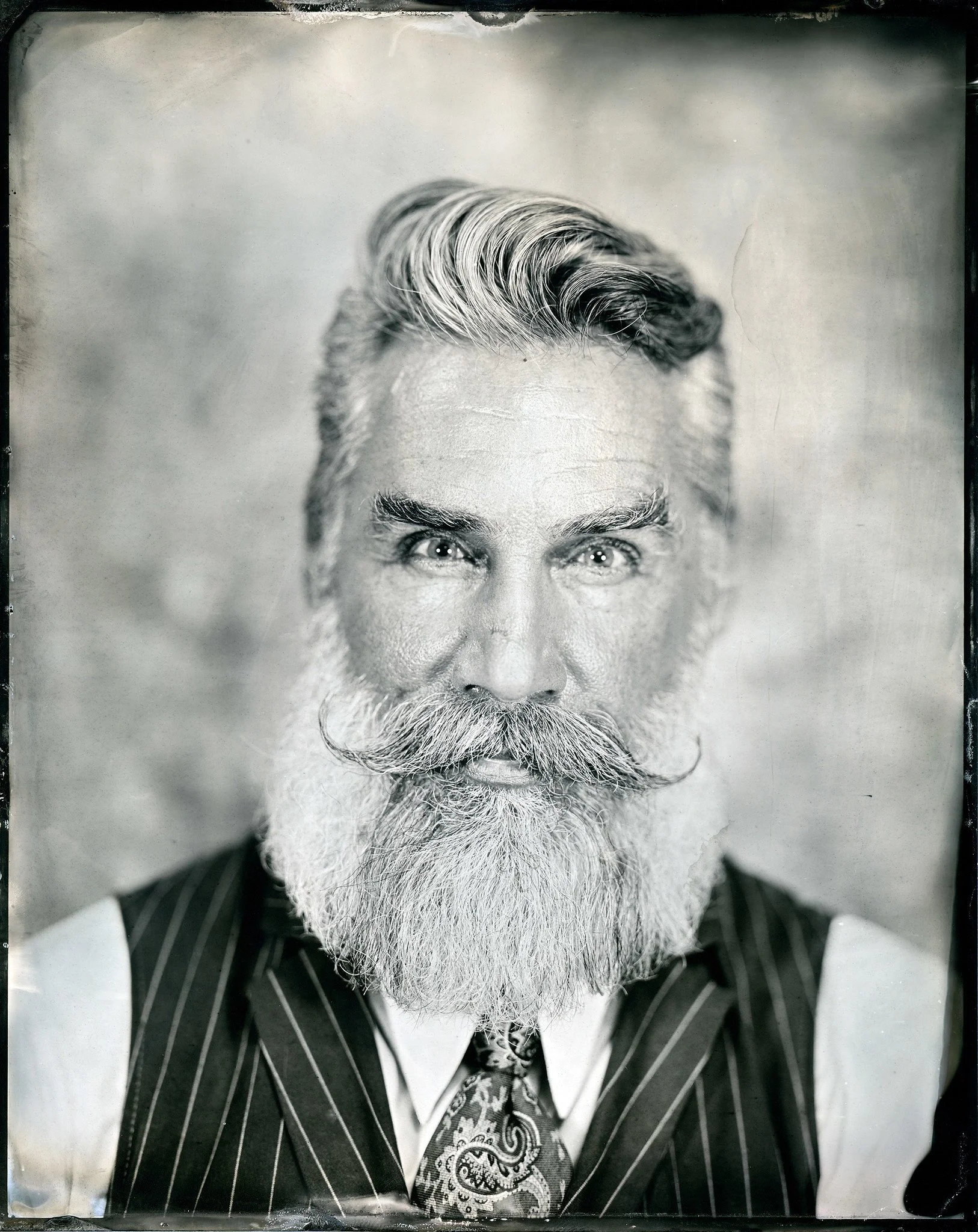

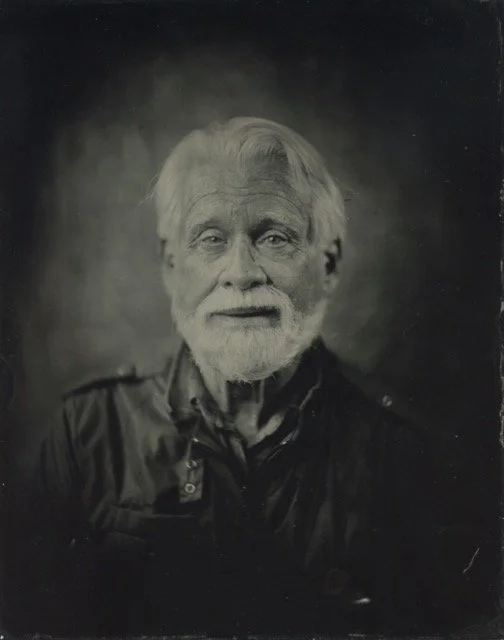
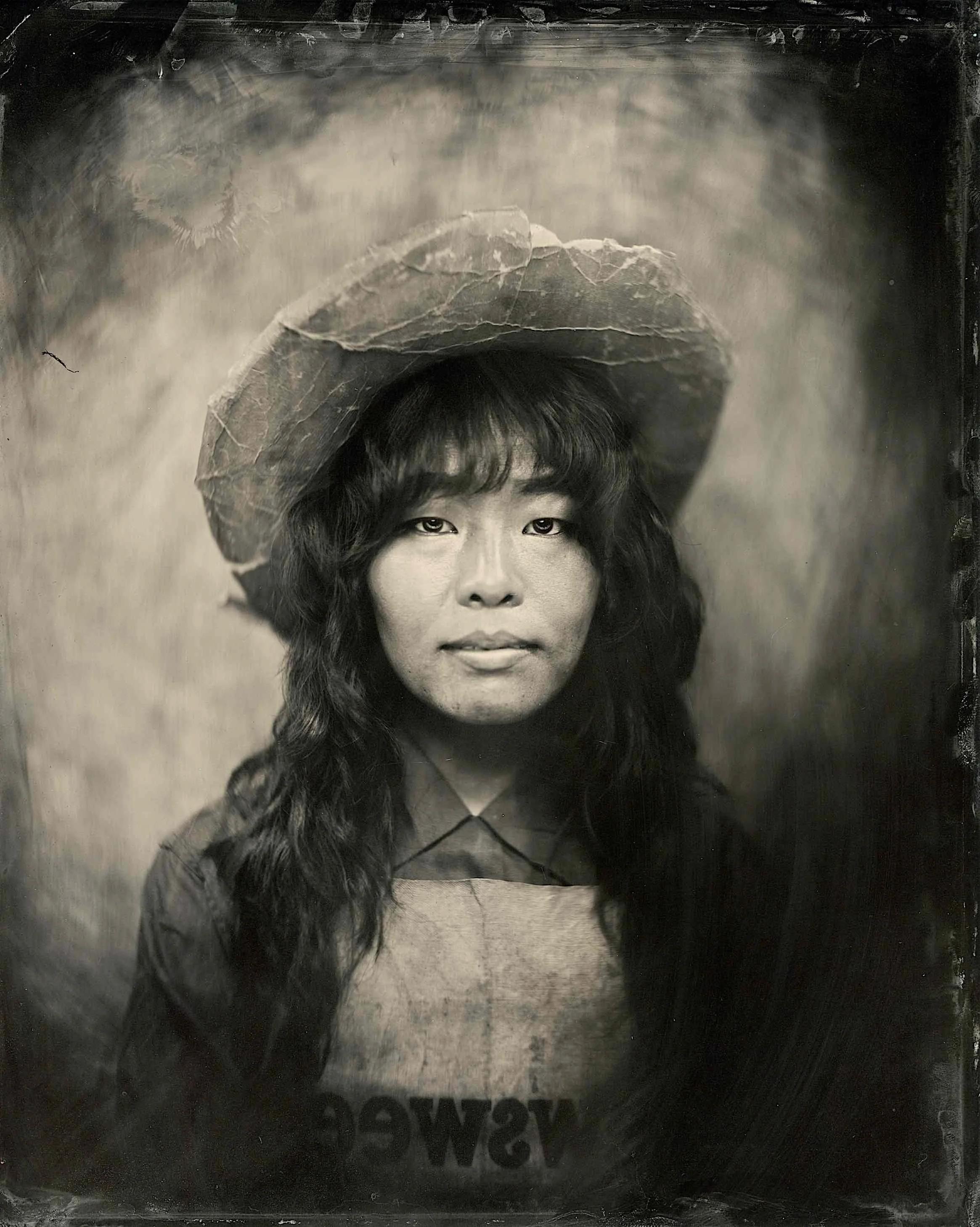
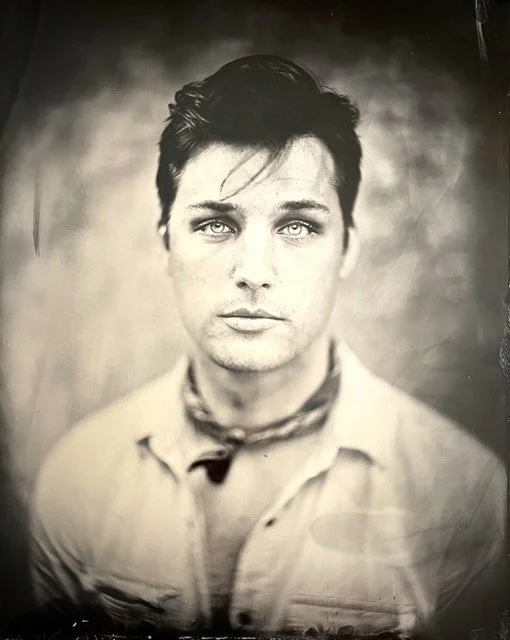
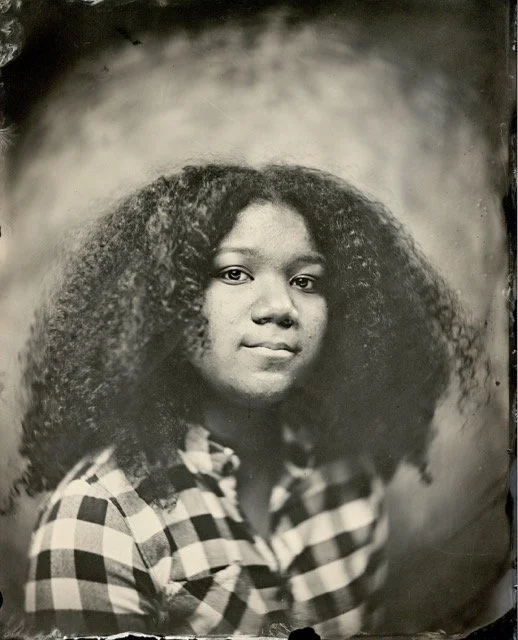
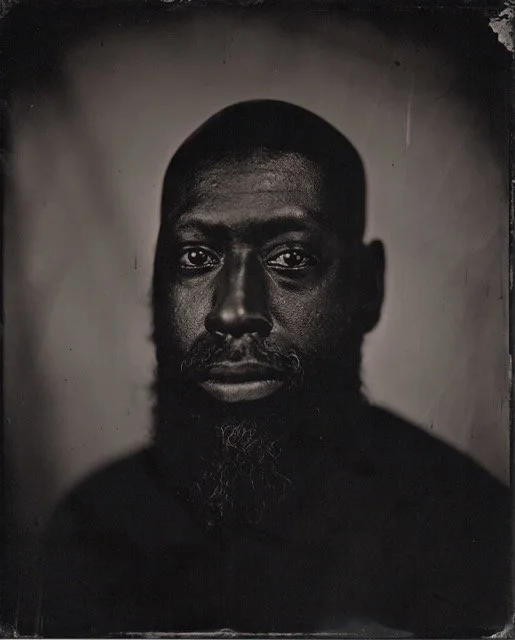

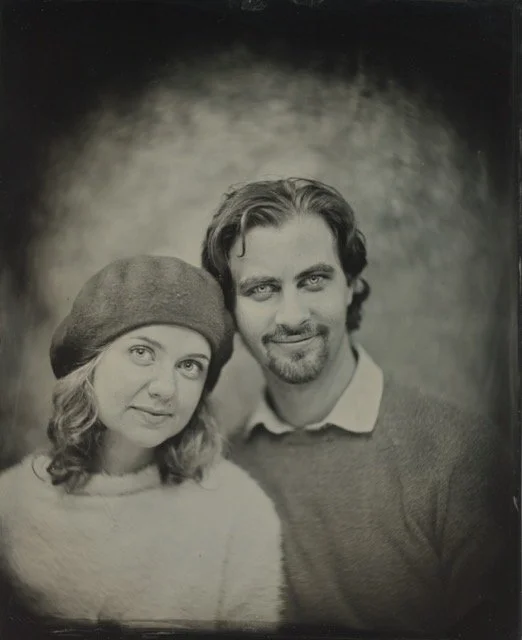


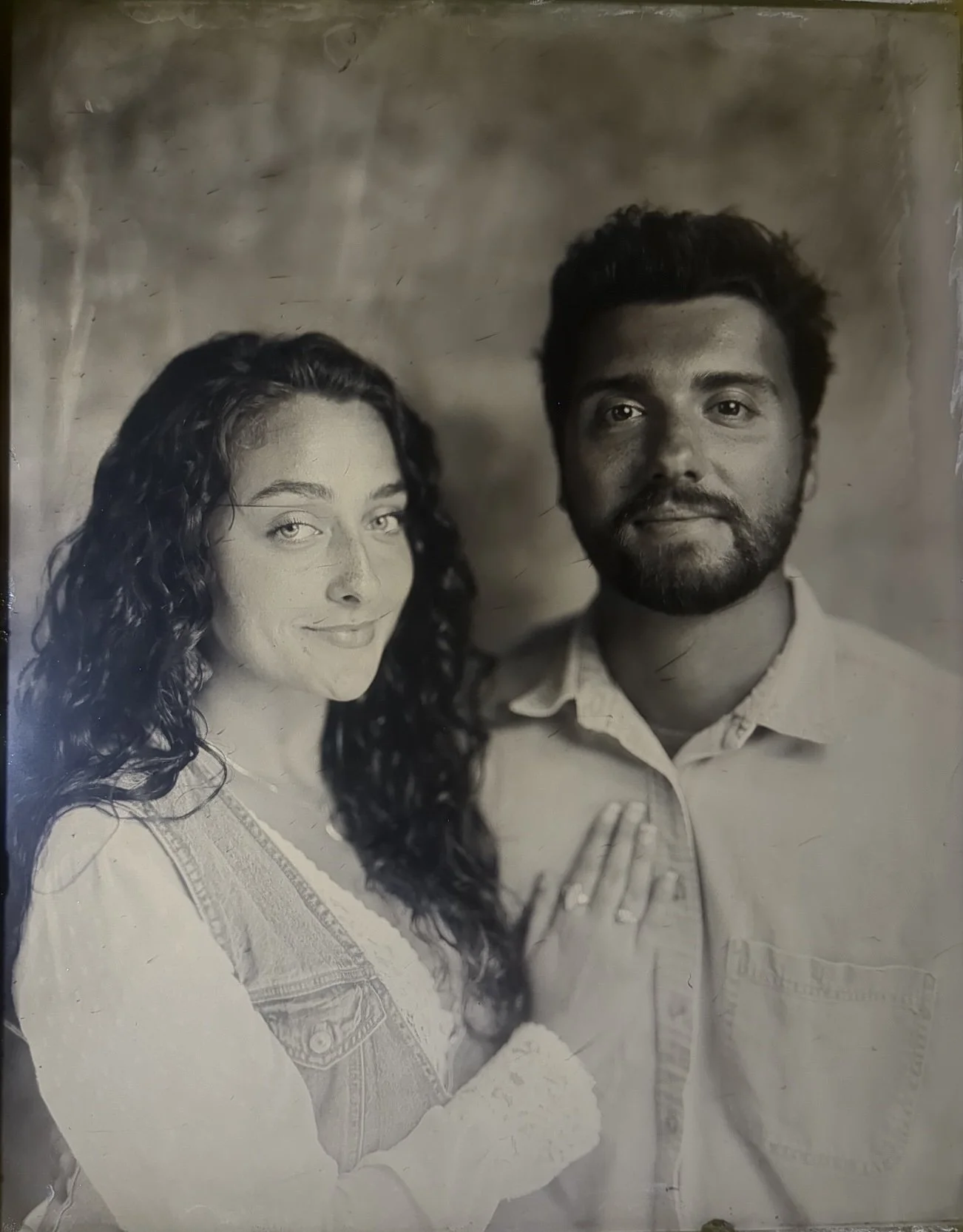
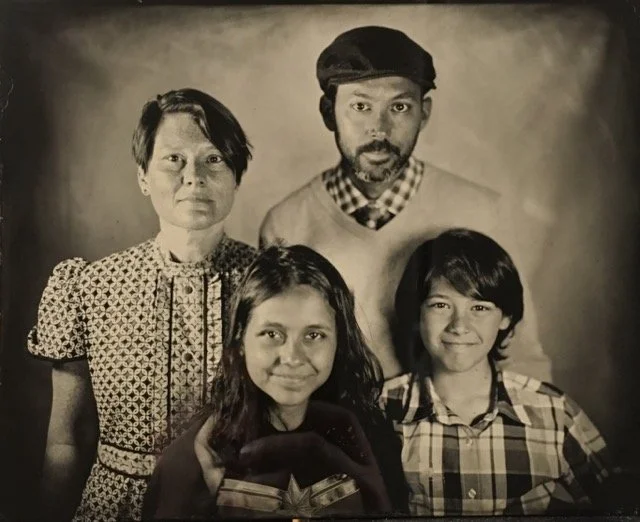
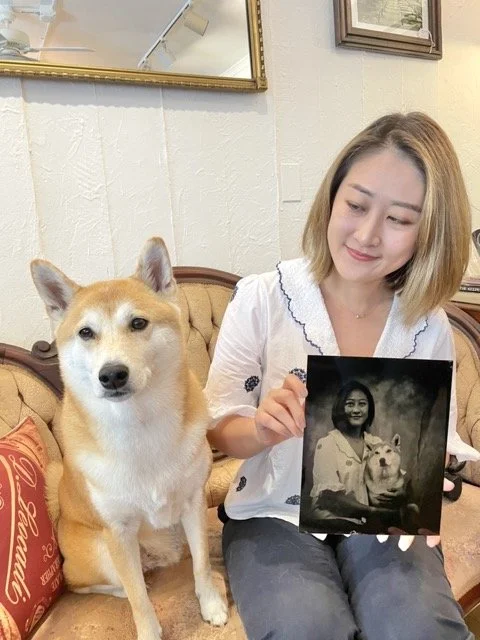

Daniel Leocadi is a wet plate collodion photographer creating authentic tintype and ambrotype portraits at Handmade Images, his studio in Lambertville, New Jersey — directly across the Delaware River from New Hope, Pennsylvania. Using a 19th-century process on metal and glass, he makes each portrait by hand, one at a time, so every piece is an original photograph rather than a print.
Portrait sessions are available by appointment for individuals, couples, families, and groups, and Daniel also brings wet plate collodion photography to events. Tintype and ambrotype gift certificates make an unusual gift for anniversaries, birthdays, Father's Day, and the holidays. To book a session, arrange an event, or purchase a gift certificate, get in touch through the studio.
There is no other photograph like this
Not because of style or darkroom technique. Because the light of that place, on that day, caused a chemical reaction on a glass plate I coated by hand. The UV light captured at that moment is represented by particles of silver - a rare precious metal. This is what you're looking at. A direct physical record of light that no longer exists. This is wet plate collodion photography — a process unchanged since the 1850s, practiced by hand, one plate at a time.
Fine Art Prints
My fine art photography prints are made directly from glass negatives — shot on large format camera across America, from Route 66 to the American Southwest to the historic missions of San Antonio. Wet plate collodion and dry plate collodion.
Tintype & Wet Plate Portraits
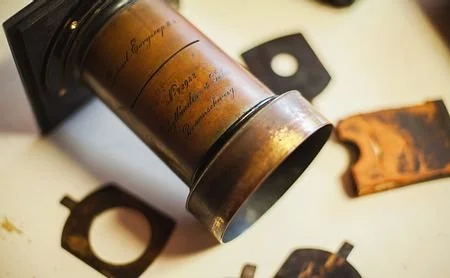
I make Tintype portraits and Ambrotypes the way photographers made them in the 1850s — on metal or glass, hand coated with collodion, developed immediately in the field or studio. Each plate is unique. No two are ever the same.
Portrait sessions available at my Lambertville New Jersey studio and on location across the US.
Step Back in Time — Book A Wet Plate Portrait
Route 66 Print Collections
This collection represents a rare form of Route 66 photography, created using the wet plate collodion process and offered as Route 66 prints on archival paper for collectors and lovers of the Mother Road.

Photographed in Tucumcari, New Mexico, this image depicts a long-closed gas station along Route 66 — one of the many small stops left behind when the interstate took over. Its empty pumps, cracked signage, and sun-bleached facade stand as a reminder of how quickly the rhythm of travel changed across the Southwest.
Created using the wet plate collodion process, the photograph captures the peeling paint, corroded metal, and desert light with rich tonal depth. The slow, hand-poured method mirrors the pace of decline — deliberate, patient, and honest.
Part of the NomadType Route 66 series, Abandoned Gas Station documents the transition from movement to memory, preserving the character of the roadside architecture that defined mid-century America.
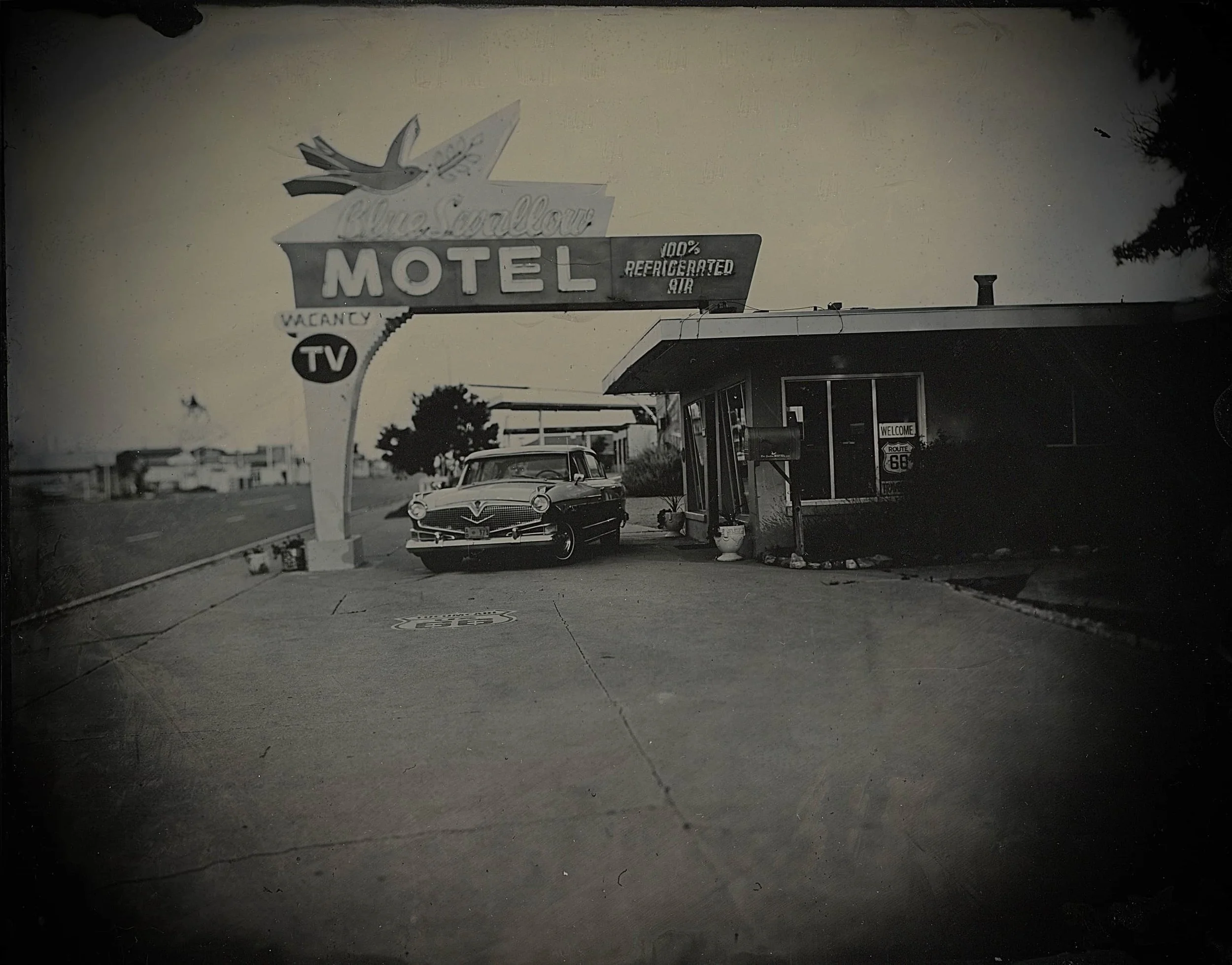
Photographed in Tucumcari, New Mexico, this image features the iconic Blue Swallow Motel, one of the most beloved landmarks along Route 66. Built in 1939, the motel remains a living piece of American history — its pink stucco walls, turquoise trim, and neon swallow still welcoming travelers with the promise of “100% Refrigerated Air.”
In this composition, a vintage car rests beneath the sign, completing the classic roadside tableau that has come to define the highway’s golden age. The quietness of the scene contrasts with the road’s once-bustling energy — a glimpse into both past and persistence.
Created using the wet plate collodion process, the photograph captures the texture of paint, metal, and desert light with unmatched depth. Each plate’s unique imperfections mirror the patina and endurance of the place itself.
Part of the NomadType Route 66 series, Blue Swallow Motel stands as a tribute to the heart of the open road — a reminder that beauty and history still live in the small places that time forgot.
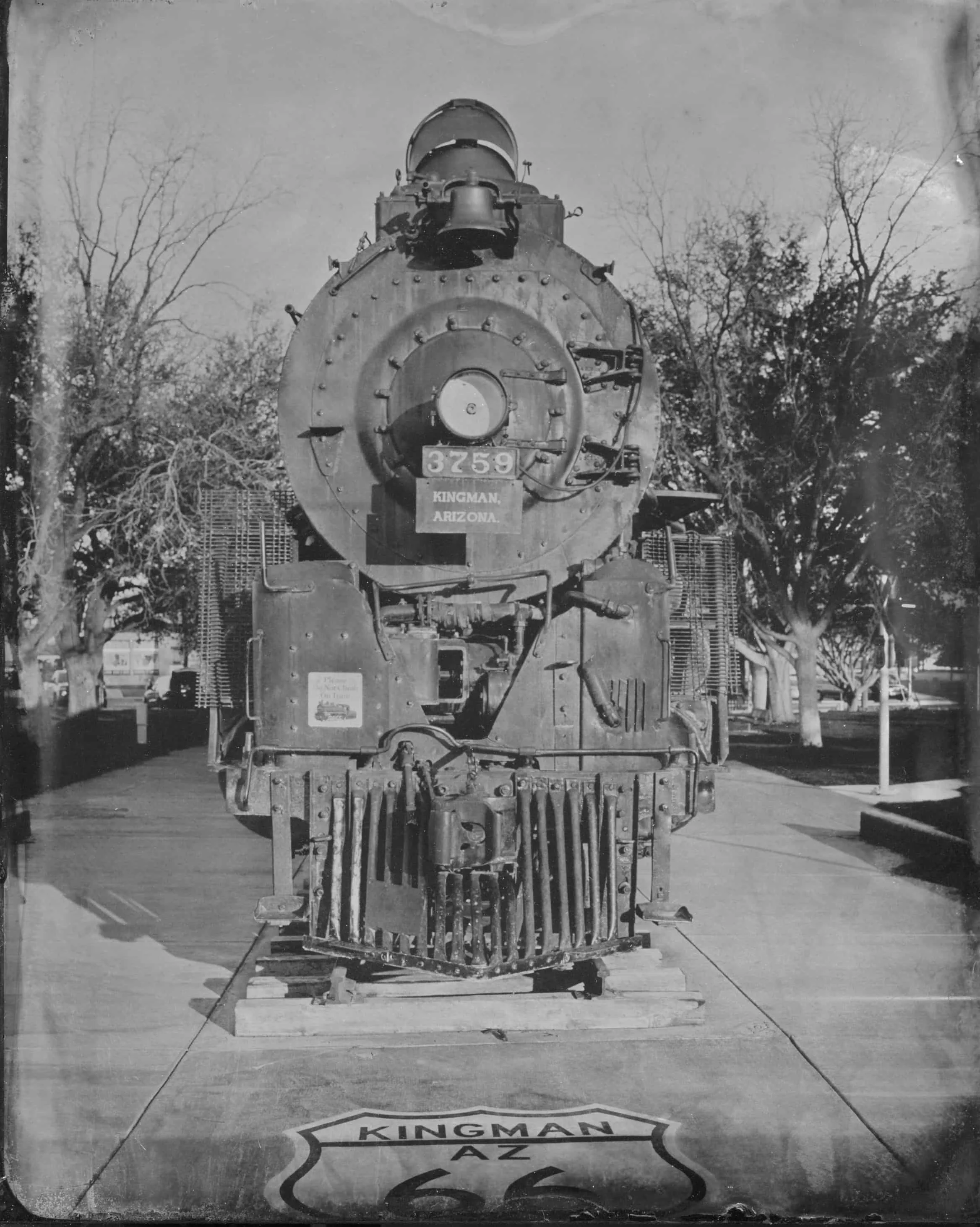
Photographed in Kingman, Arizona, this image presents the Santa Fe 3759 locomotive from a straight-on perspective. The centered view shows the engine’s face in full — the great circular door, bolts, and numbering plate that once led passenger trains through the Southwest.
Made using the wet-plate collodion process, the photograph emphasizes texture and contrast: metal darkened by years of heat, grease, and dust rendered in silver tones. The medium’s deliberate pace suits the subject’s permanence — a meeting of nineteenth-century craft and twentieth-century engineering.
Part of the NomadType Route 66 series, Head On stands as a study in symmetry and strength, a reminder of the power that once defined America’s railways and the towns that grew beside them.
Daniel Leocadi is a New Jersey based wet plate collodion tintype photographer creating beautiful tintype and glass portraits using the same process from the 1850s. Daniel offers portrait sessions at his studio in Lambertville, New Jersey by appointment.