Shop the collection
The East Coast
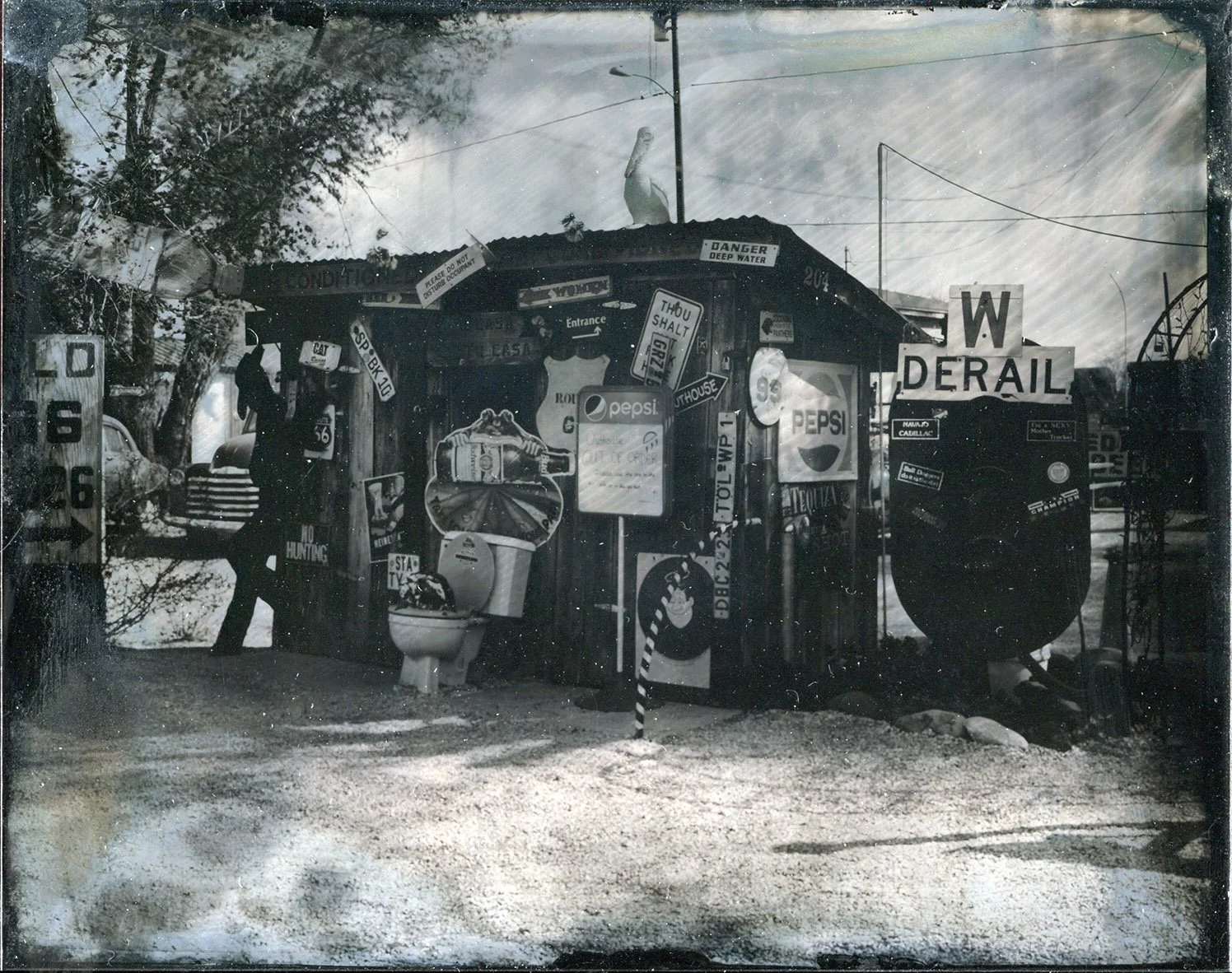
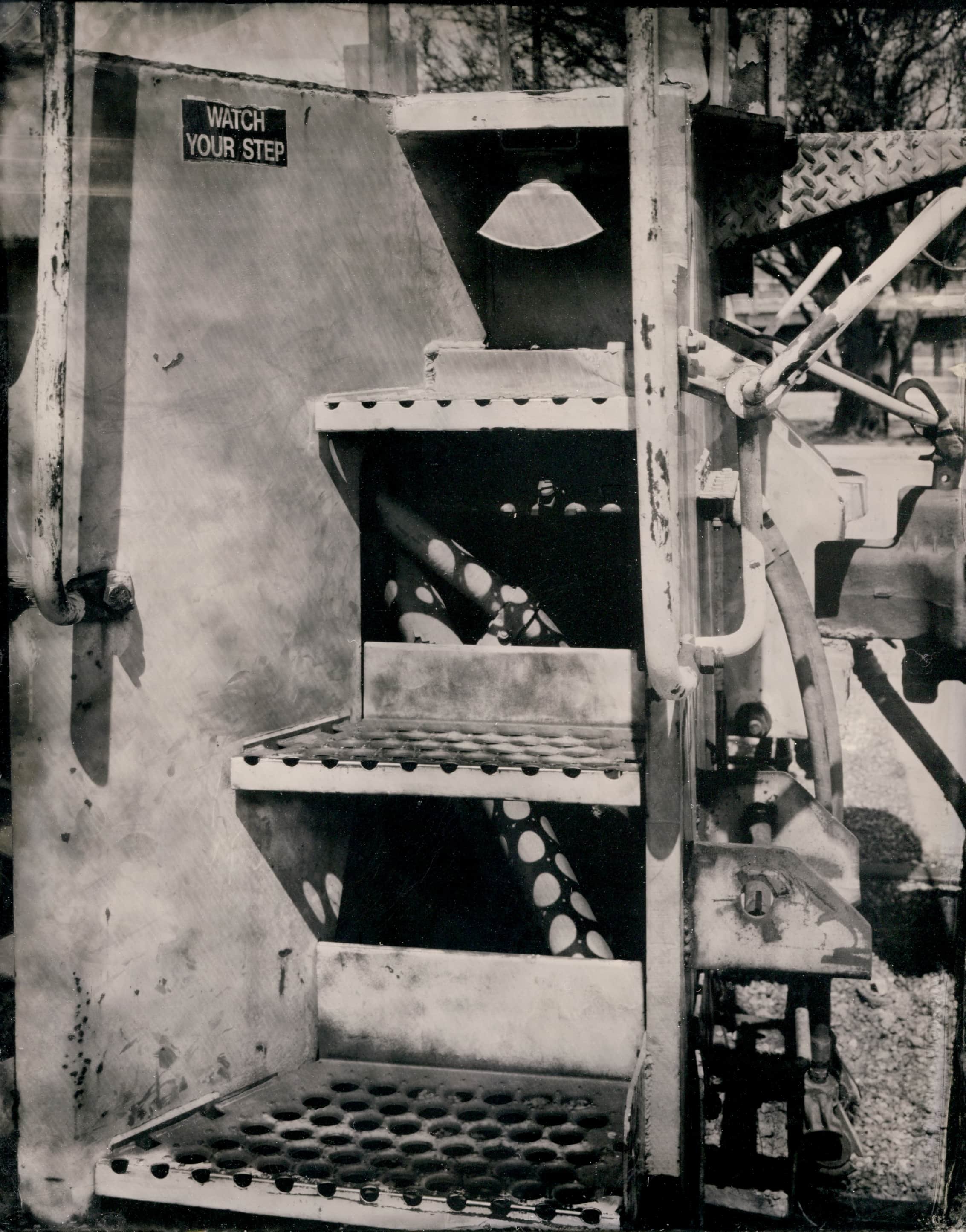
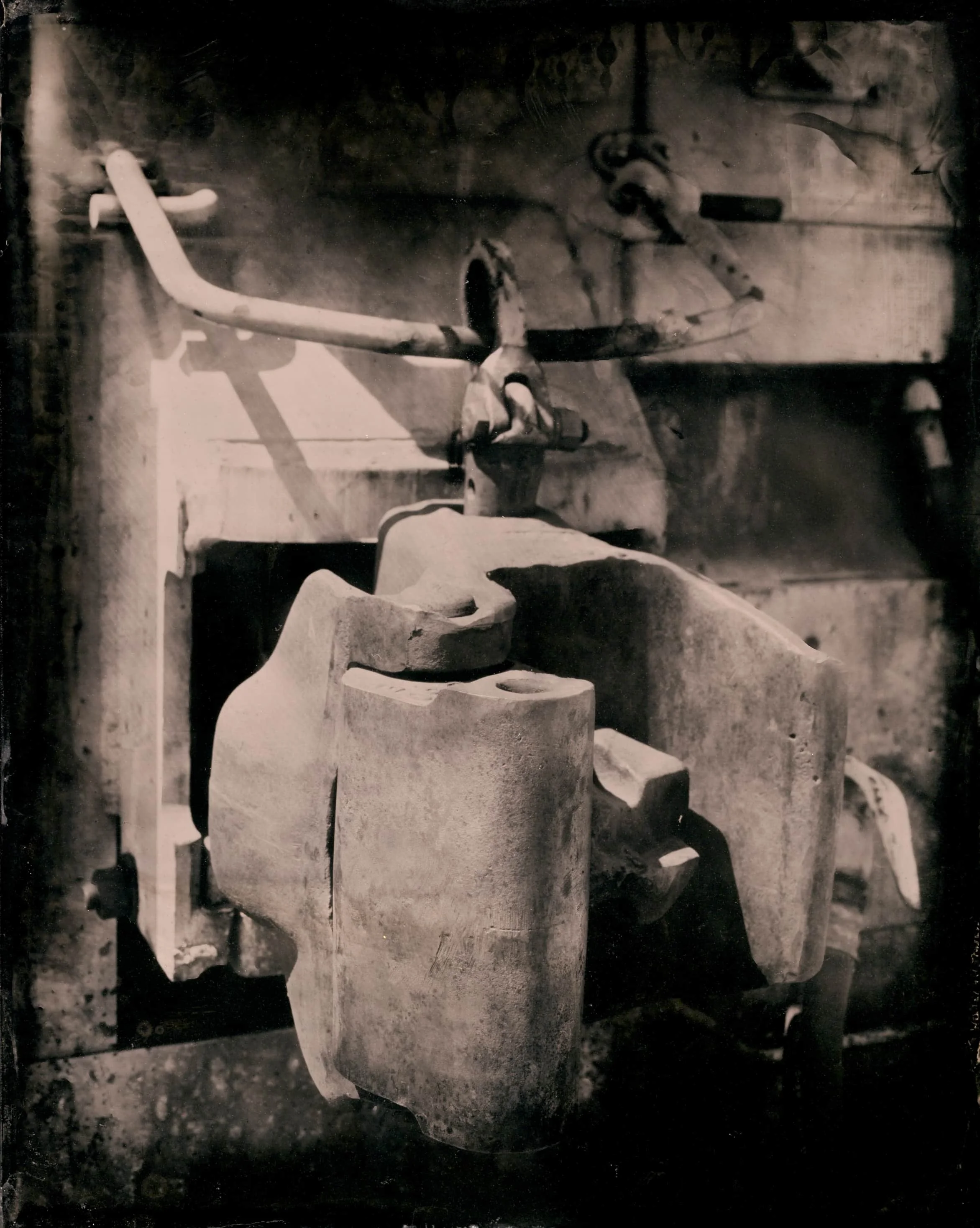
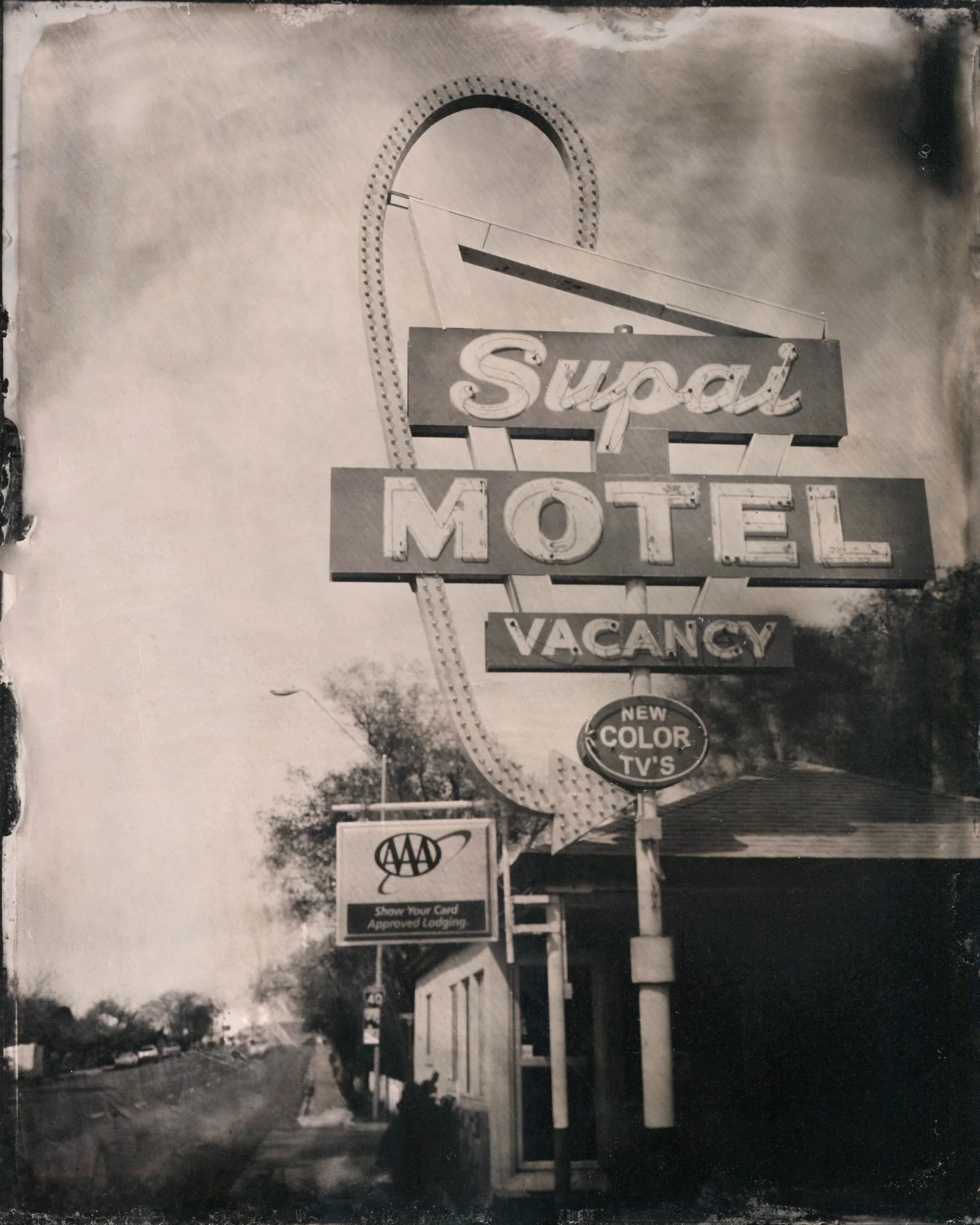
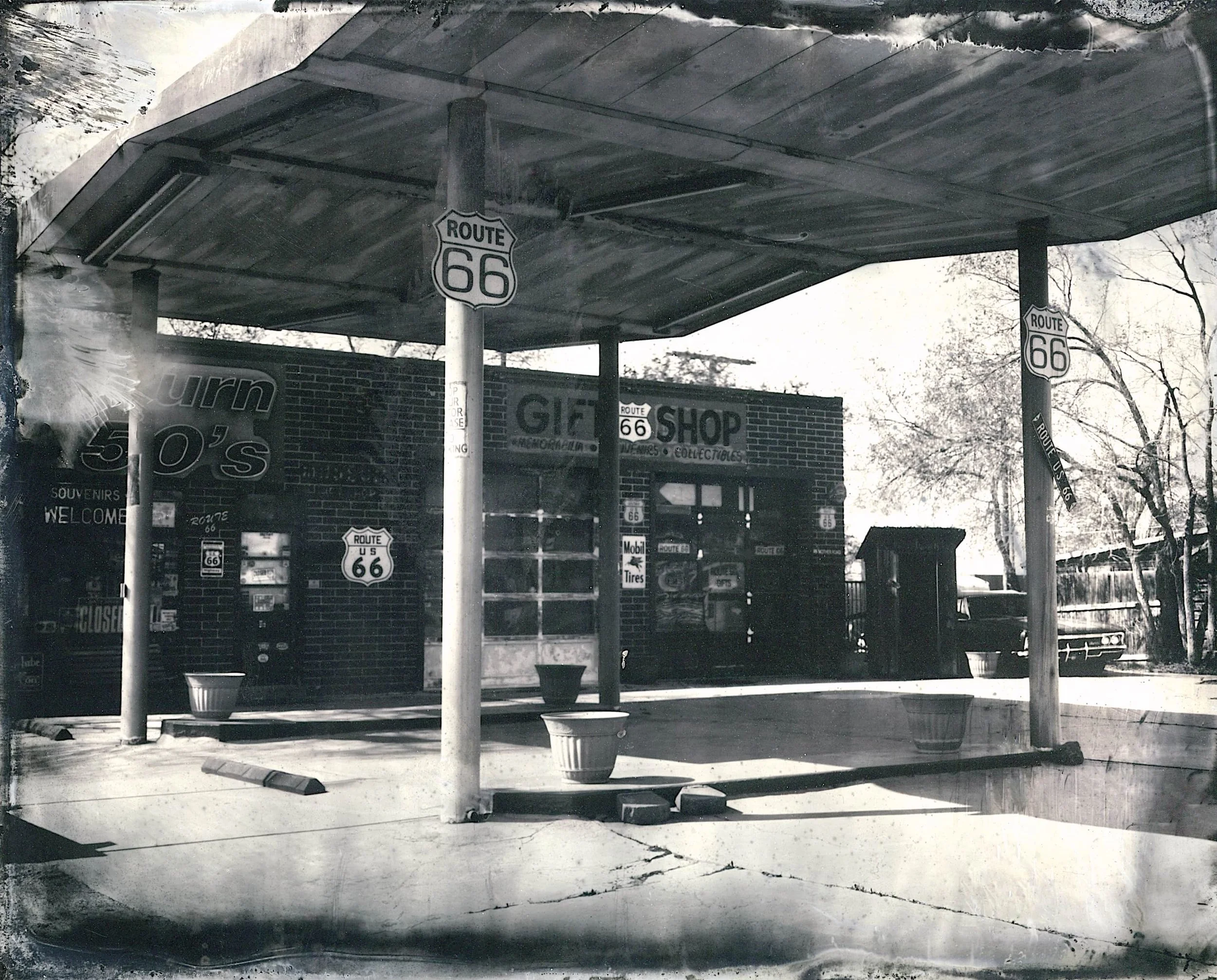
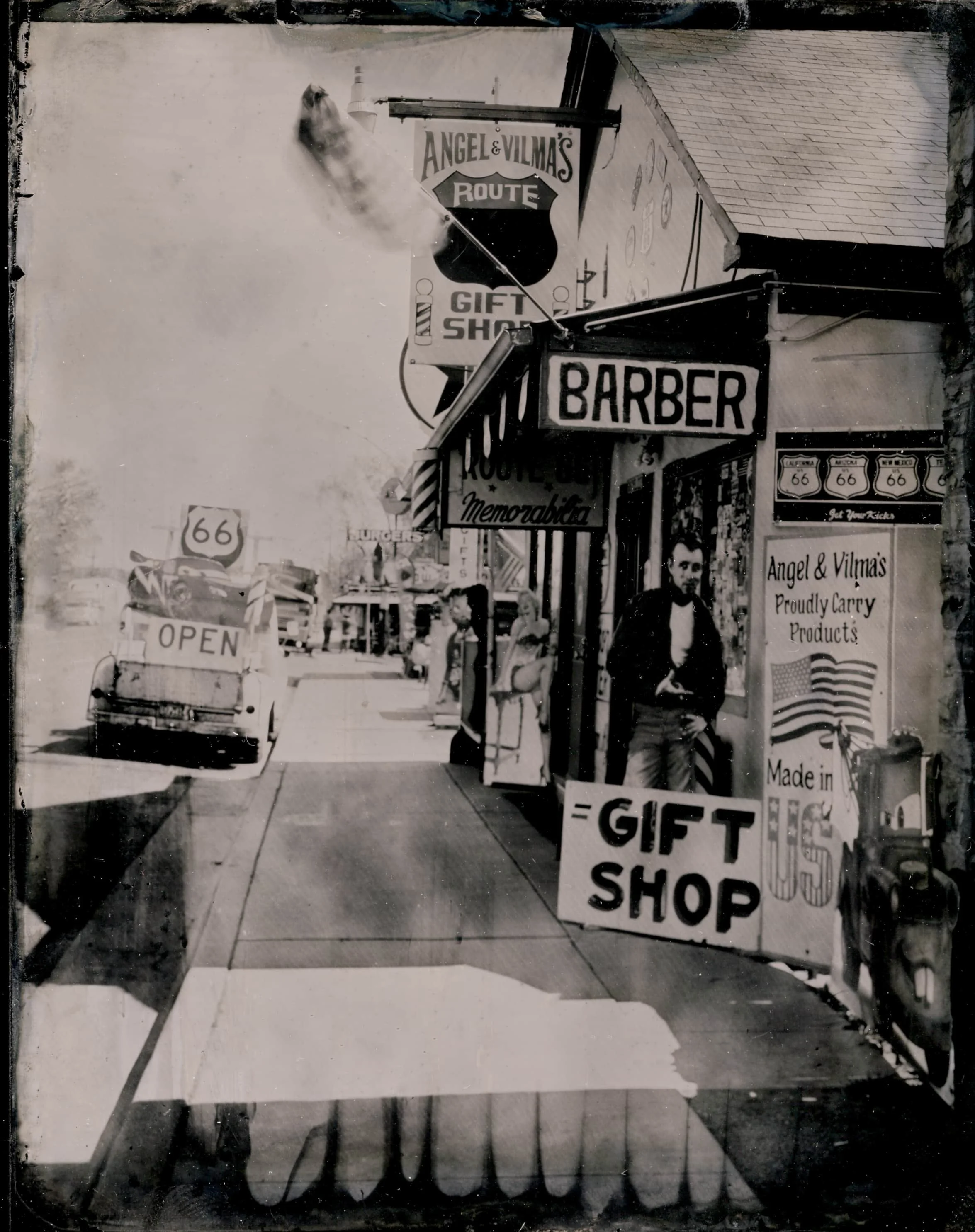
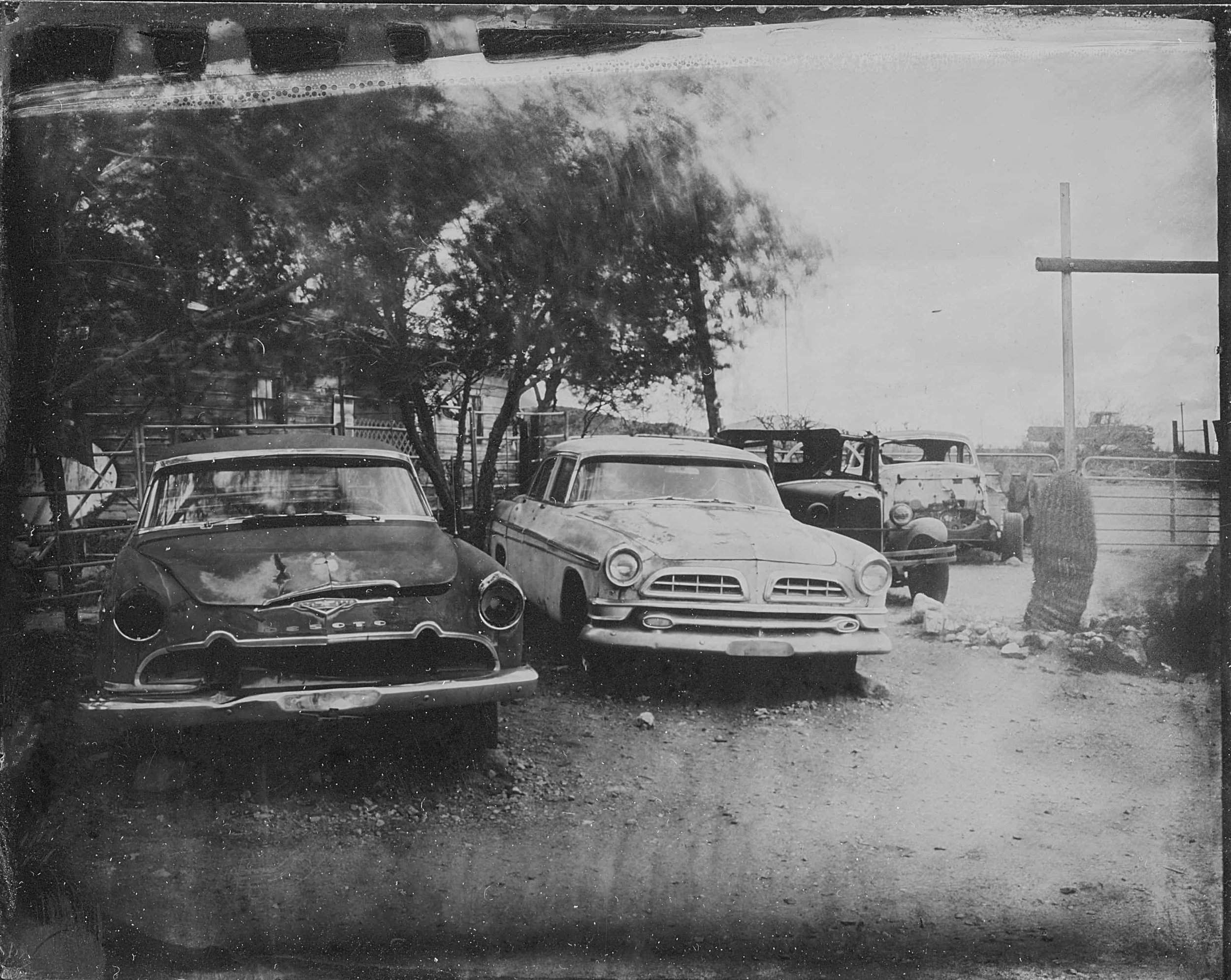
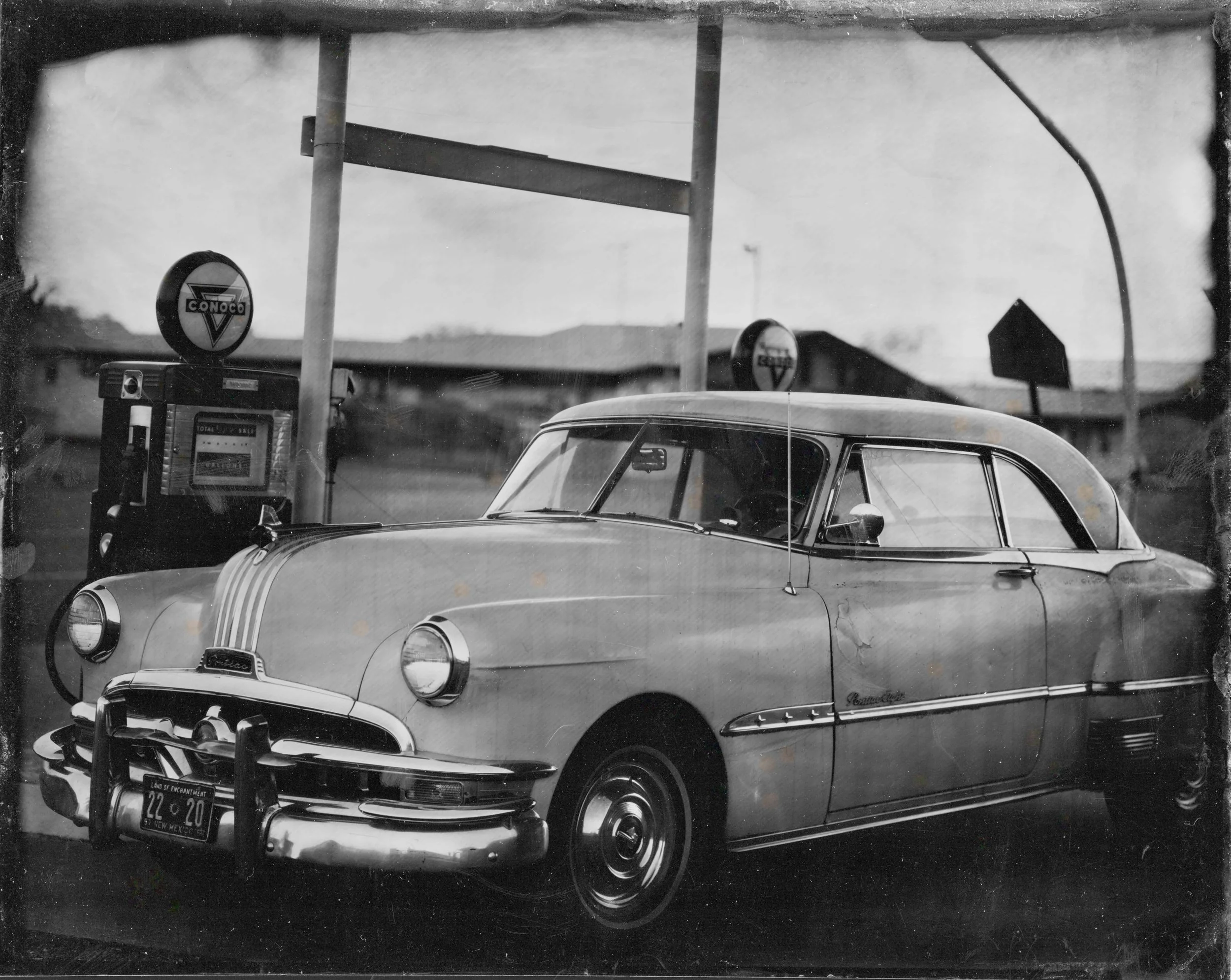
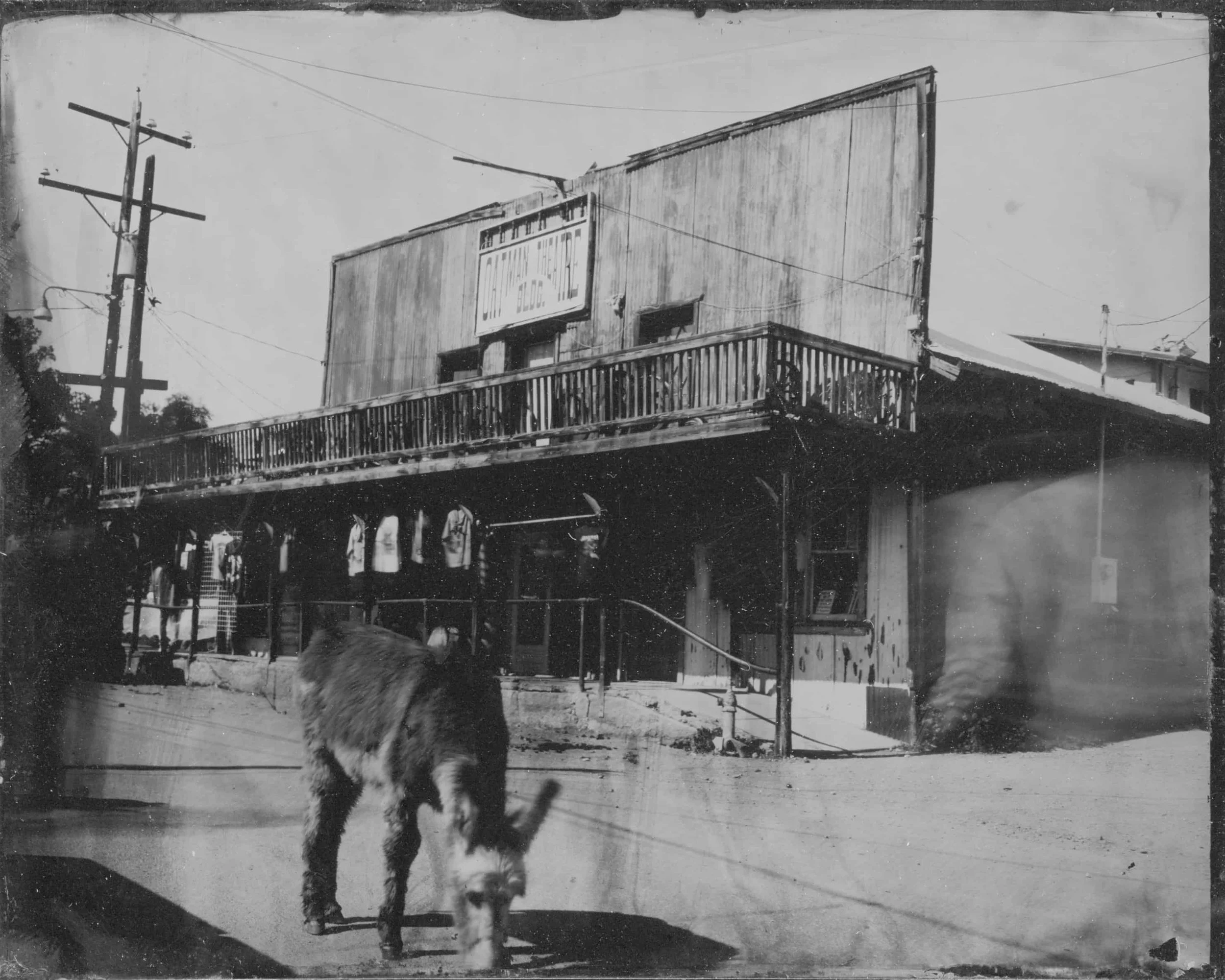
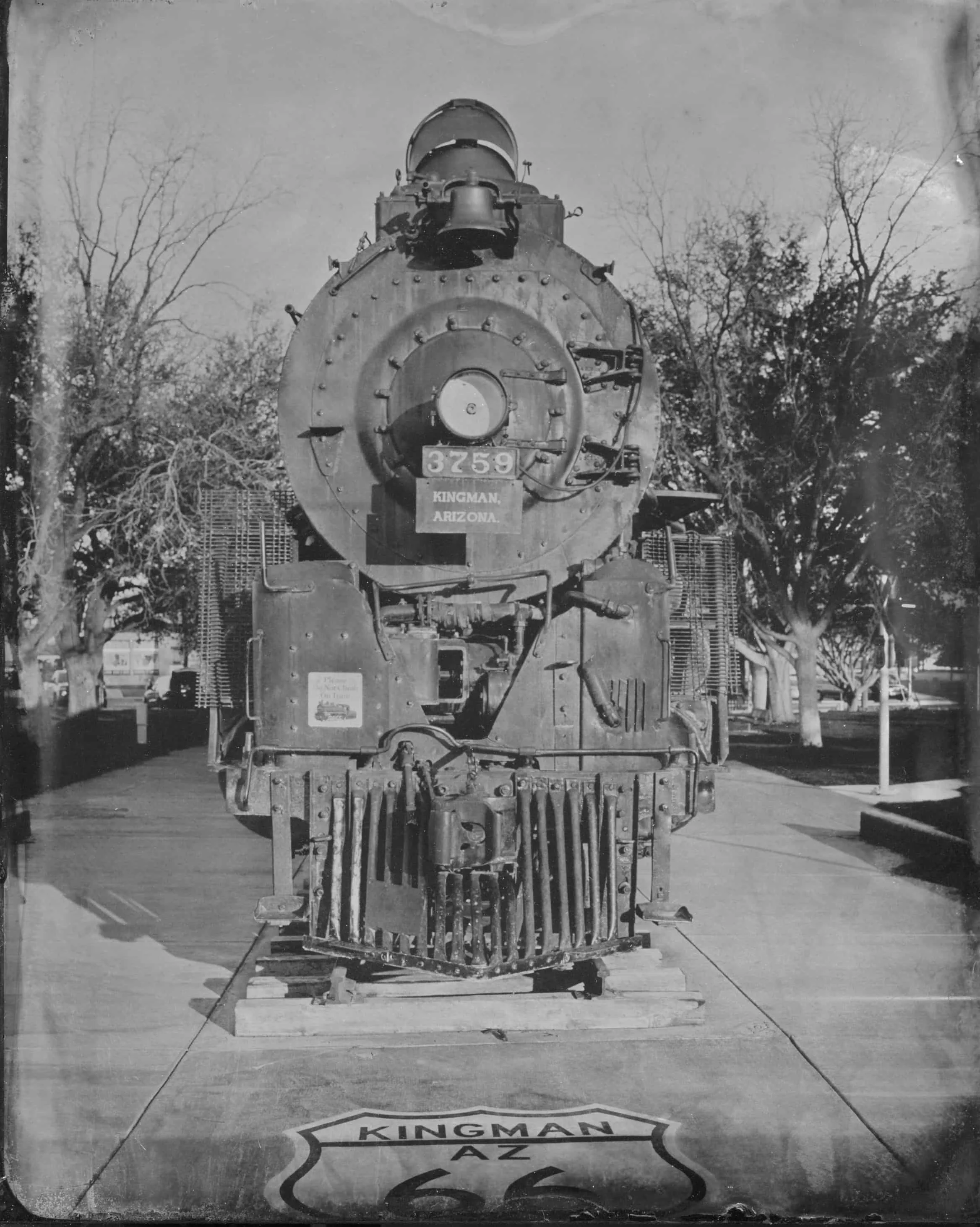
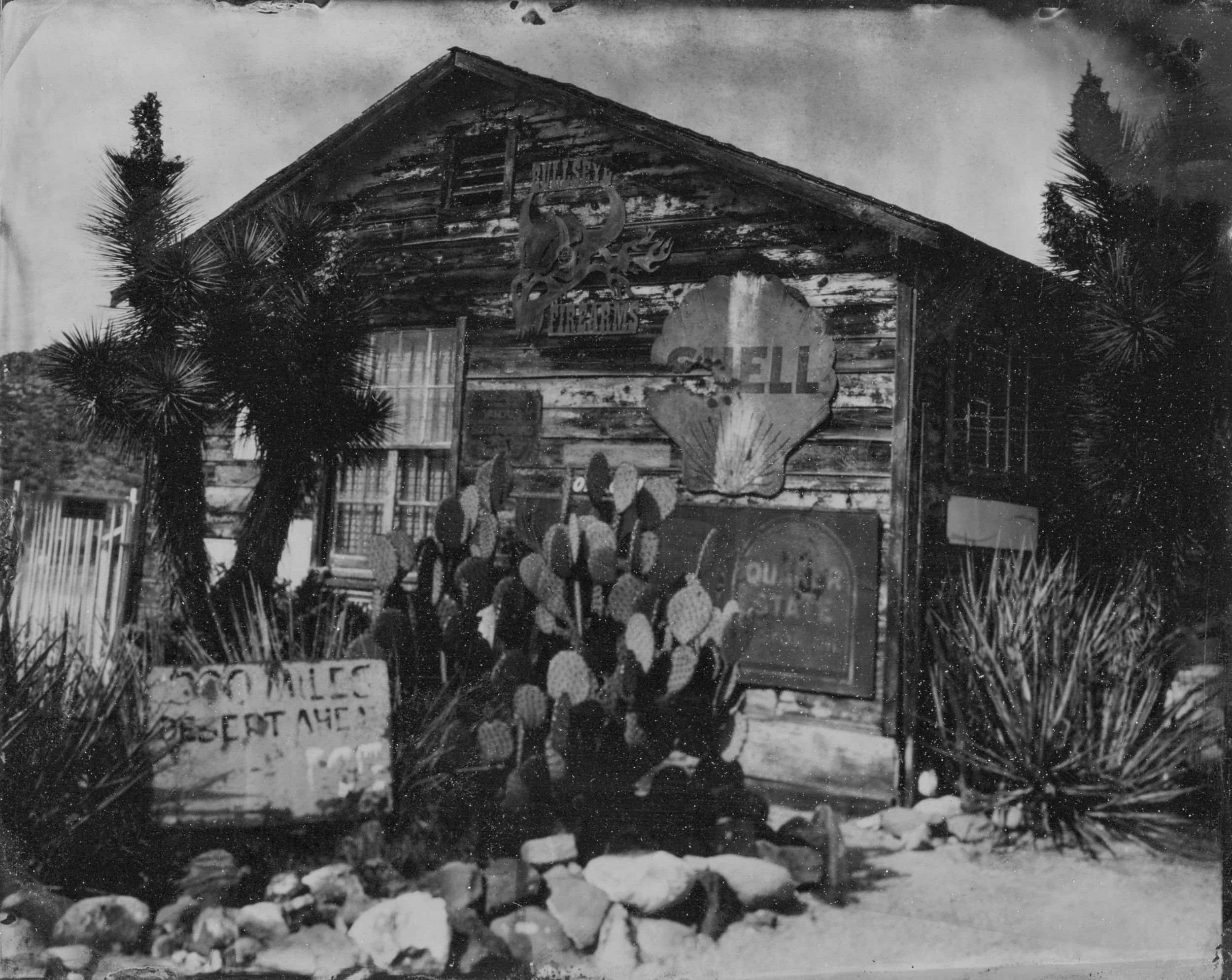
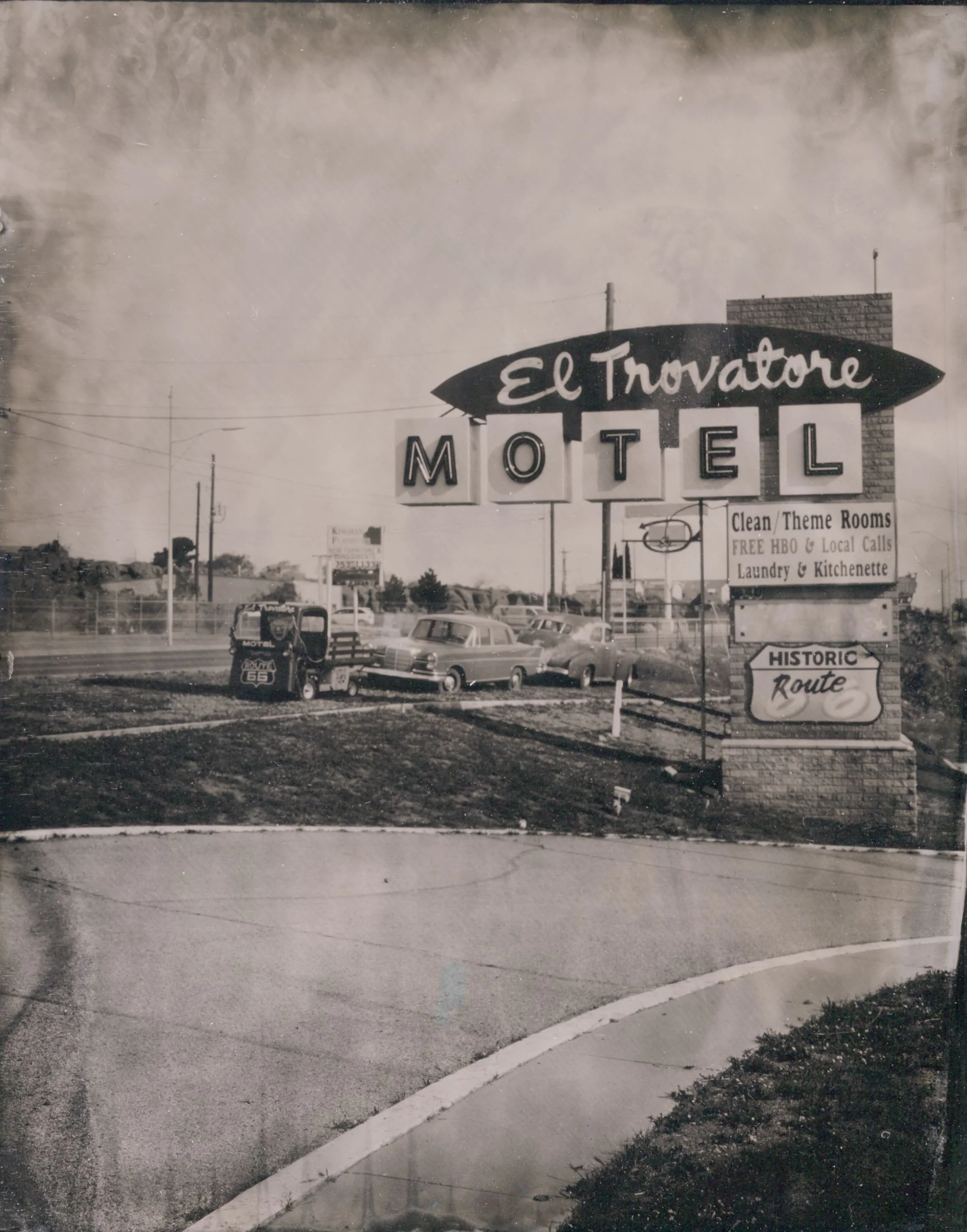
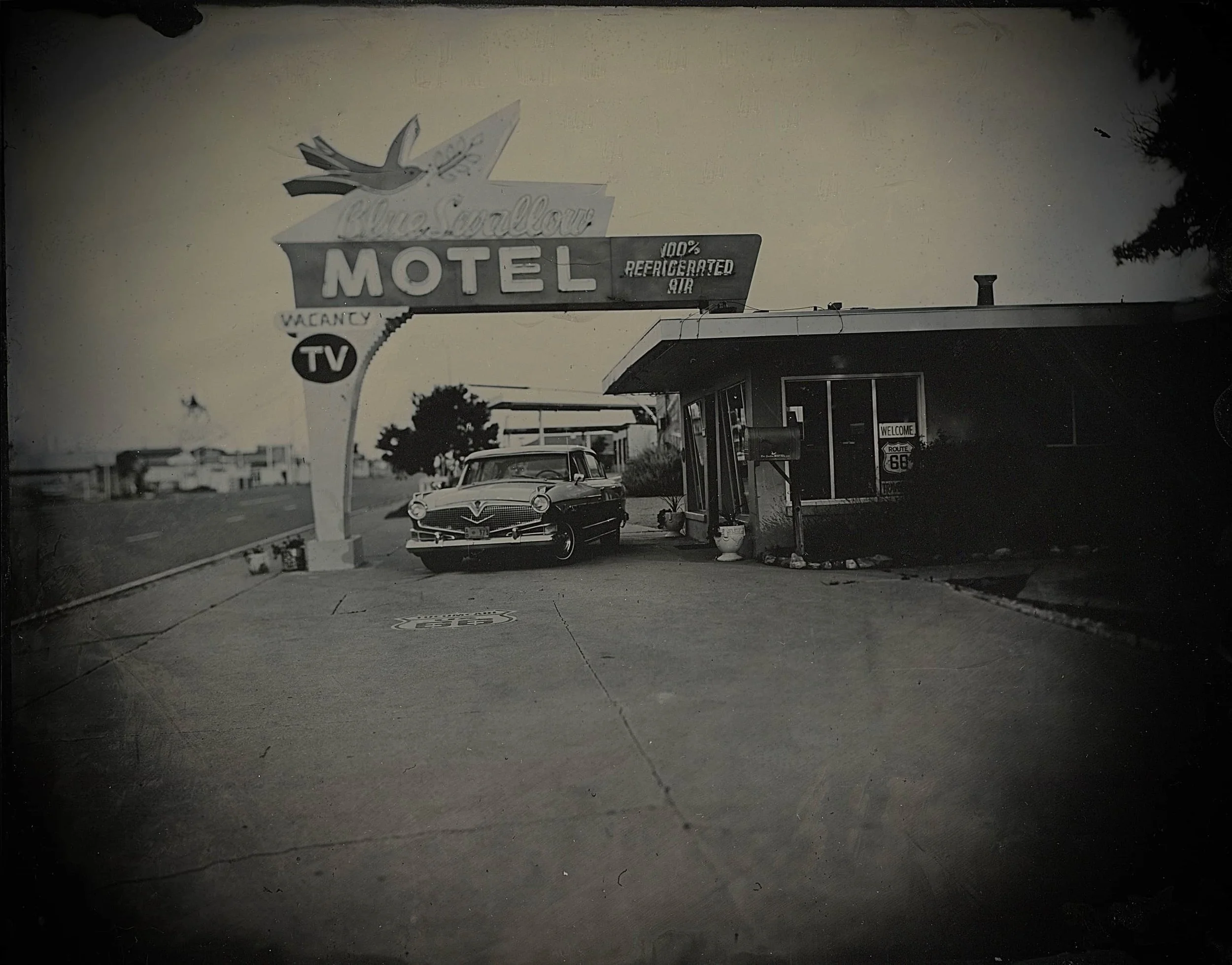
A wet plate has to be made all at once. You coat the glass, expose it, and develop it before the collodion dries, which gives you about fifteen minutes from start to finish. That means the darkroom travels with the camera, and the picture is made where you stand.
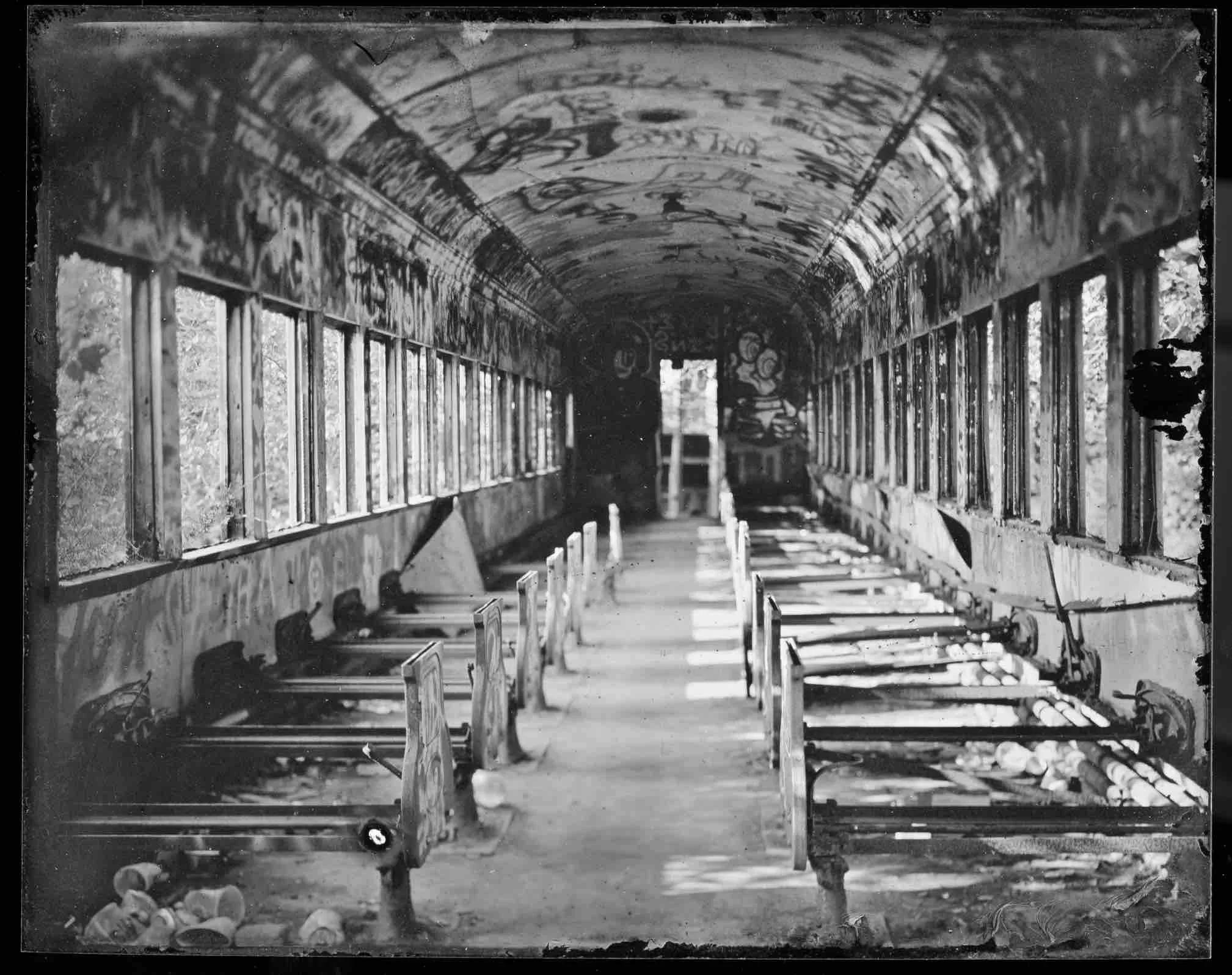
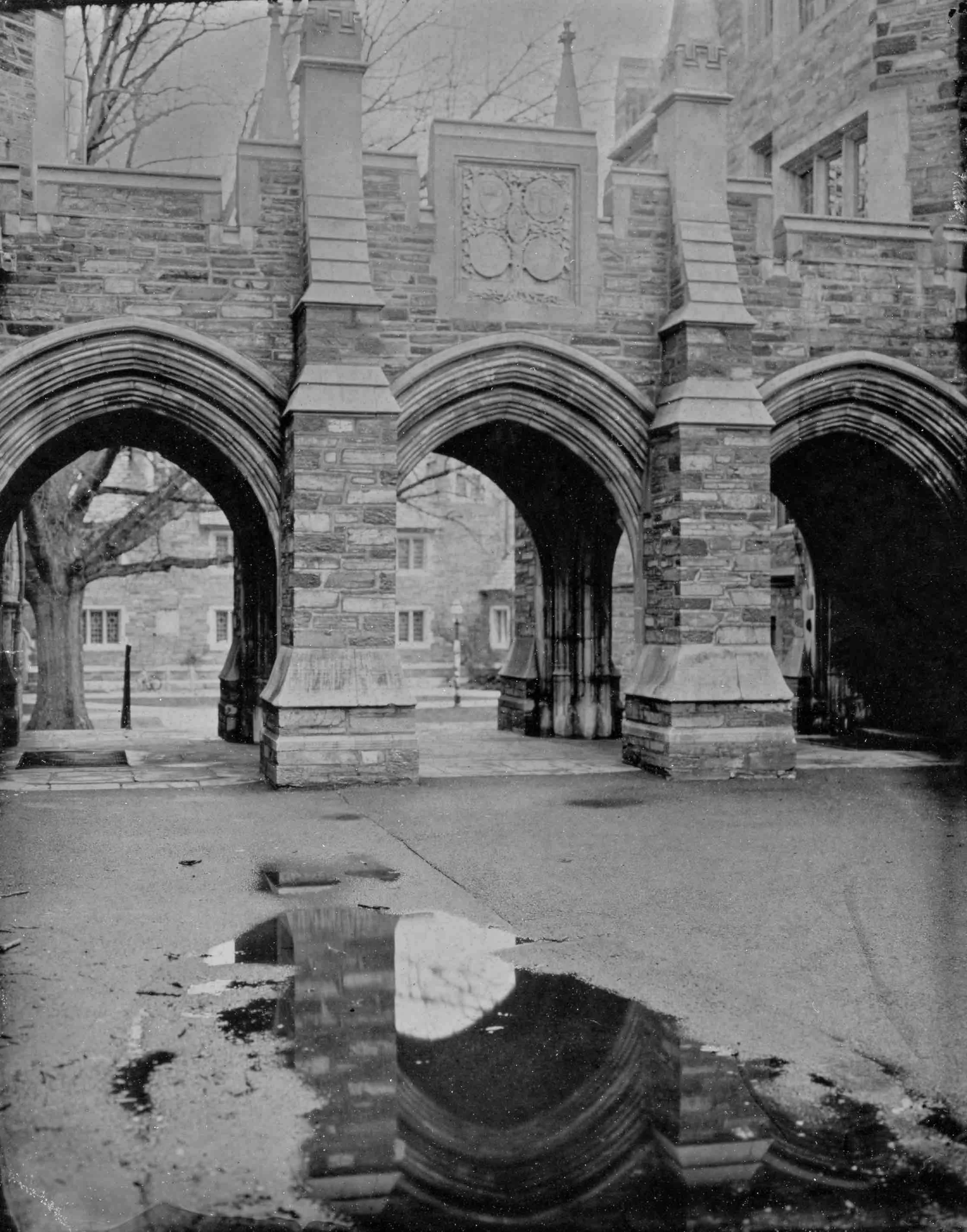
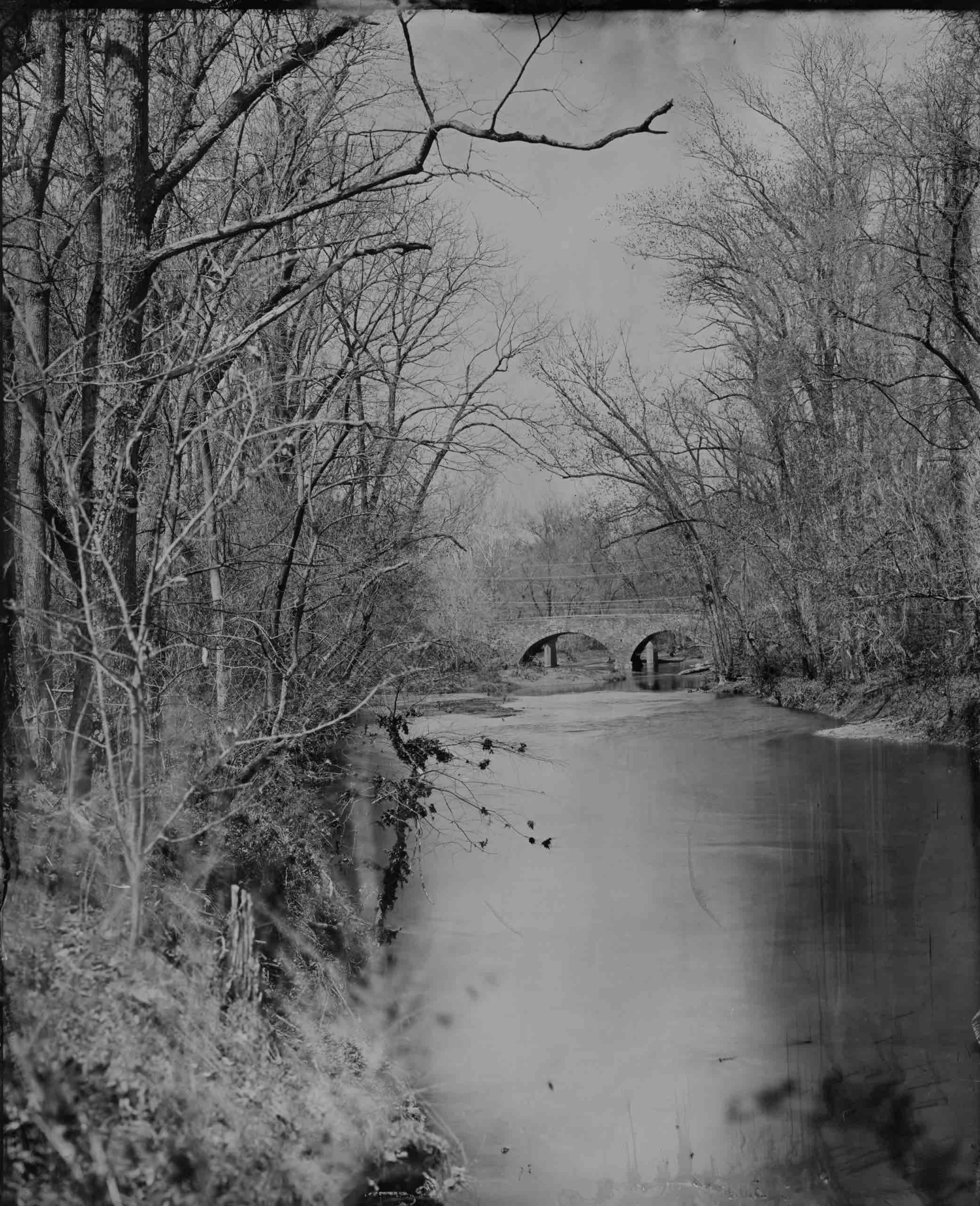
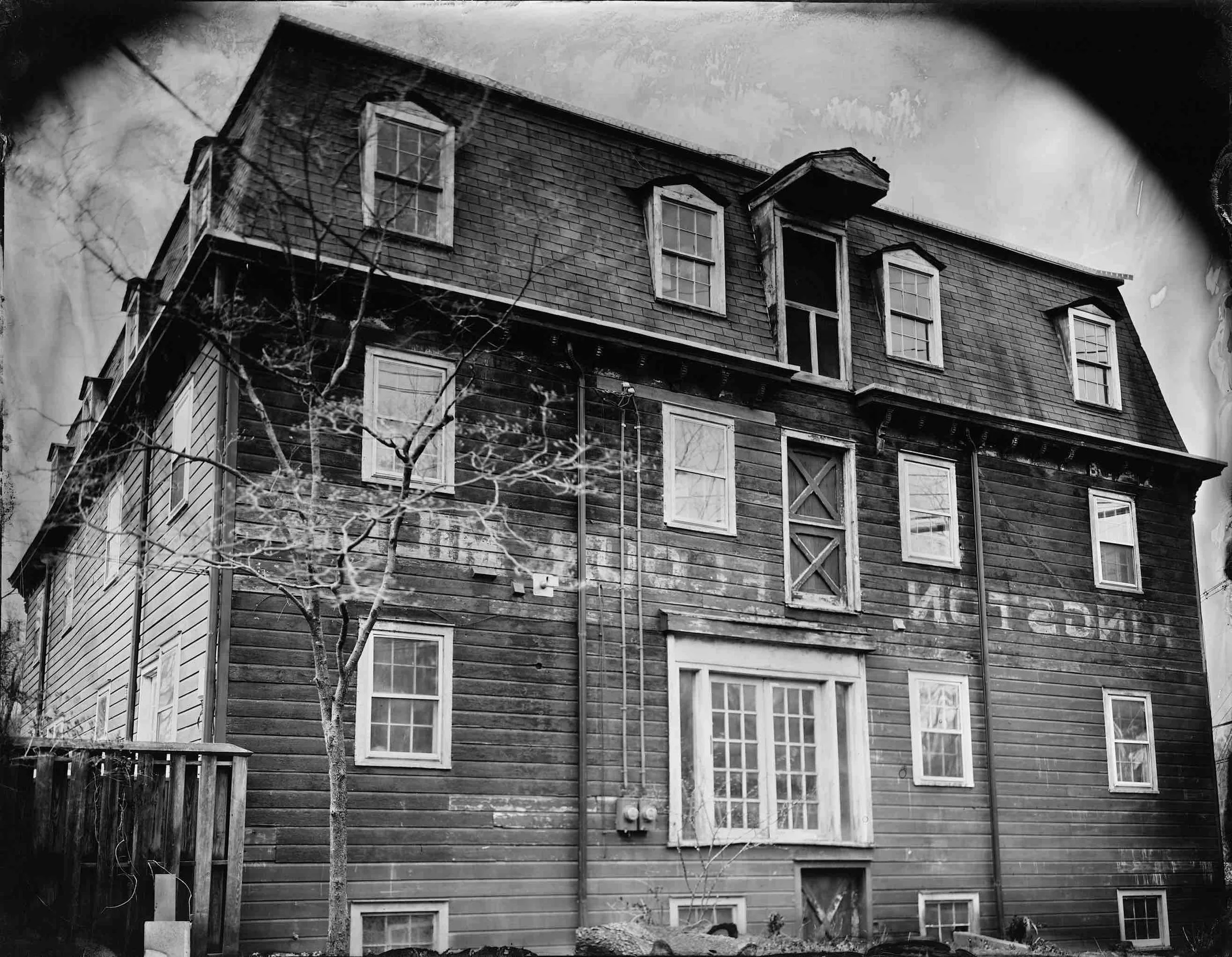
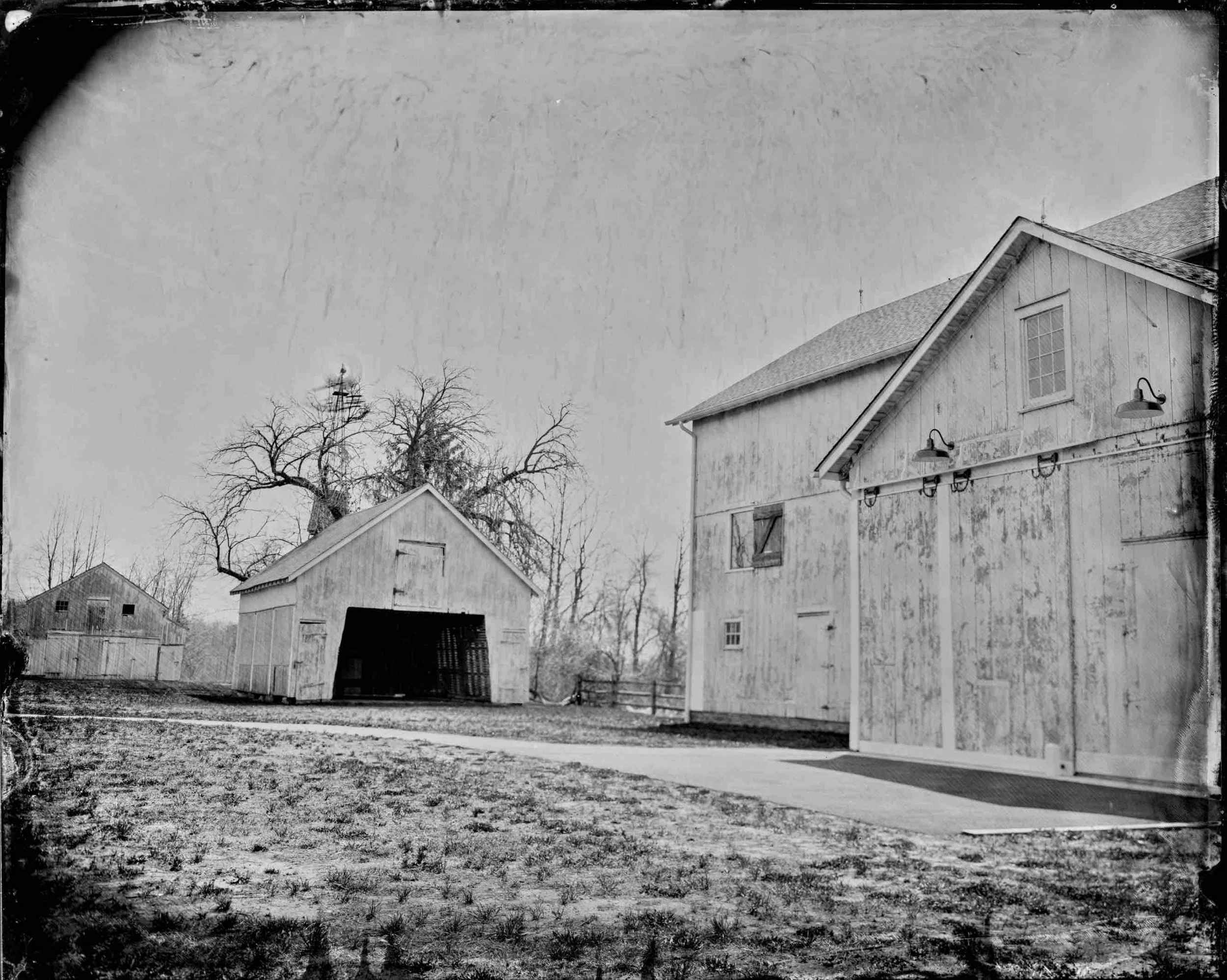
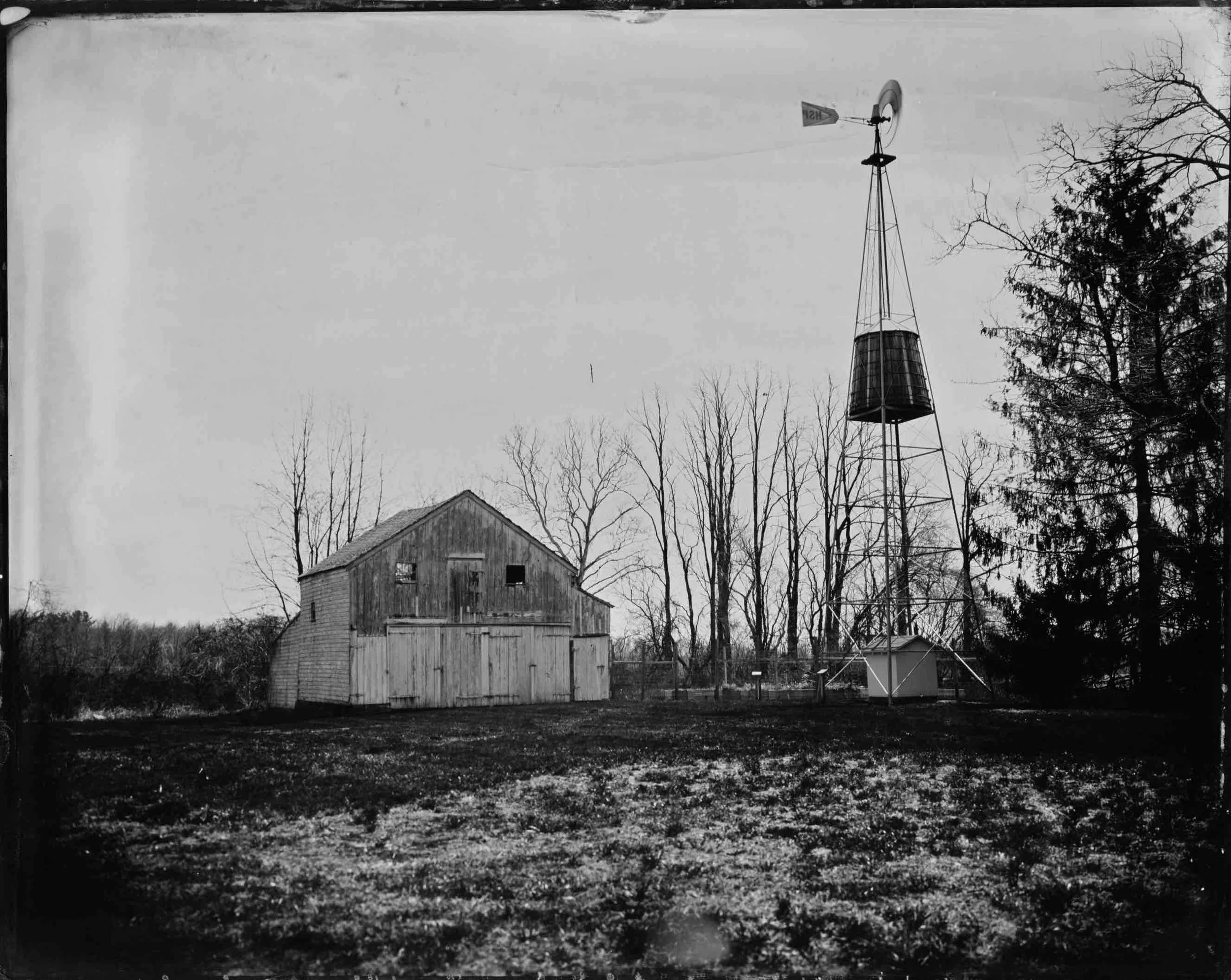
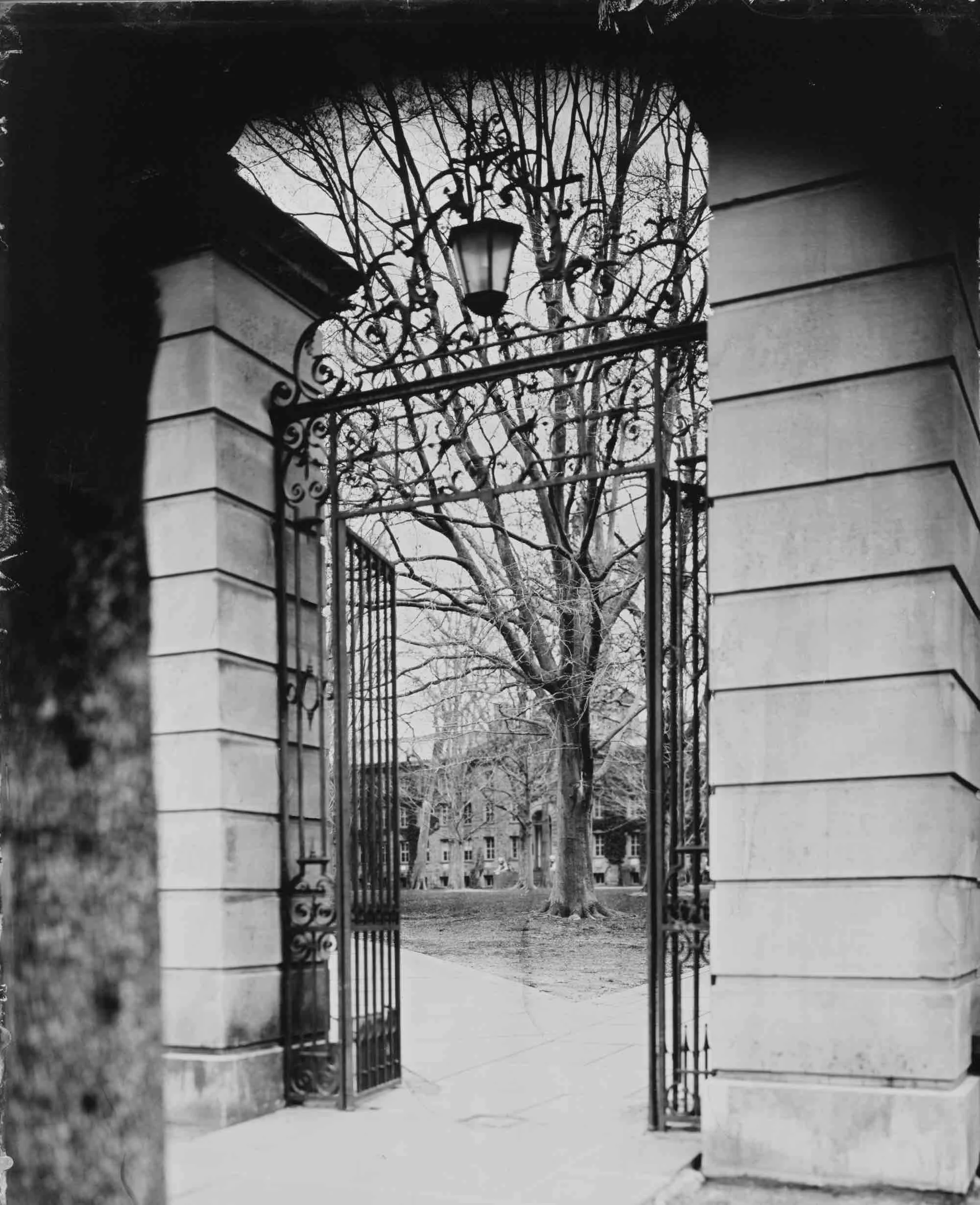
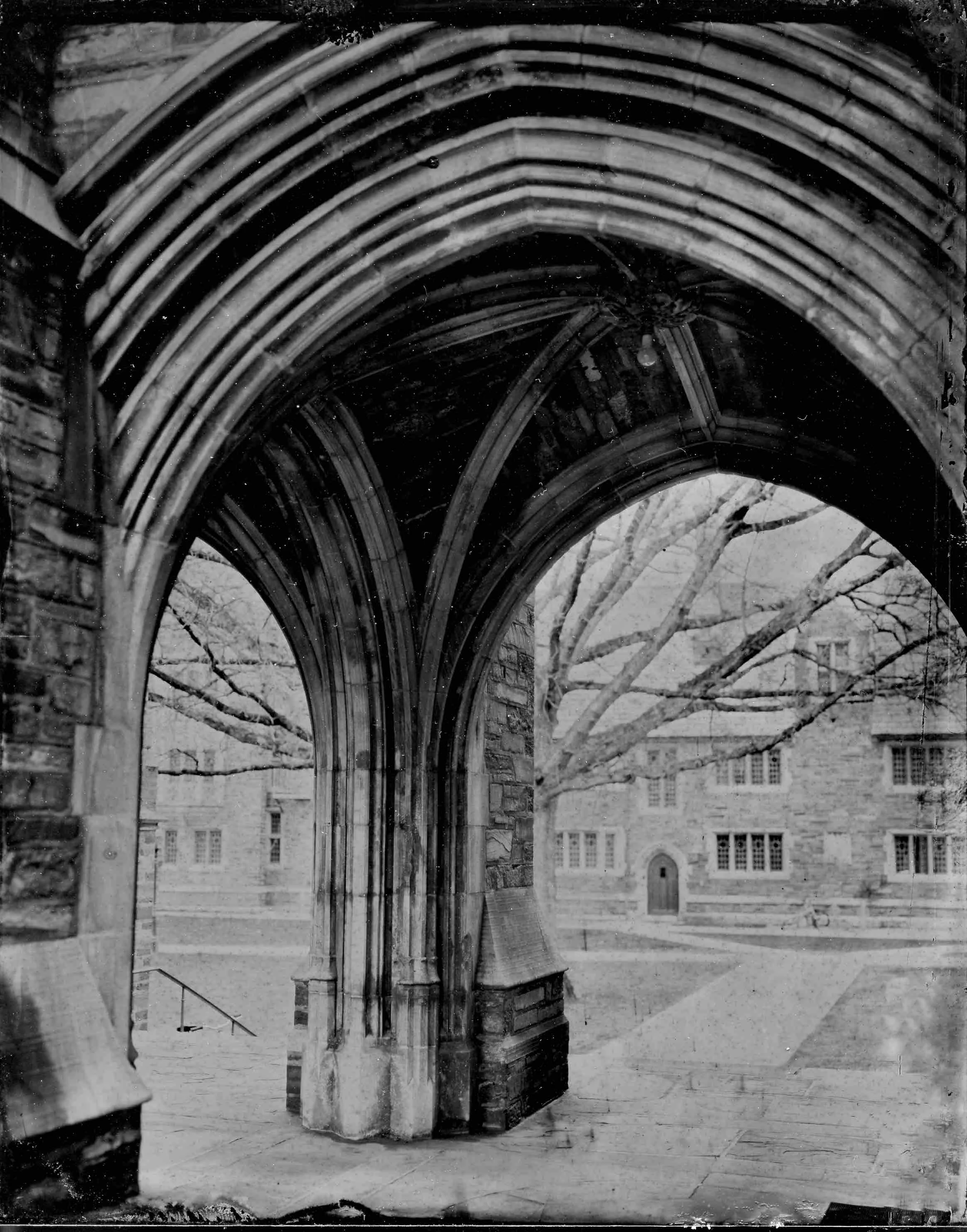
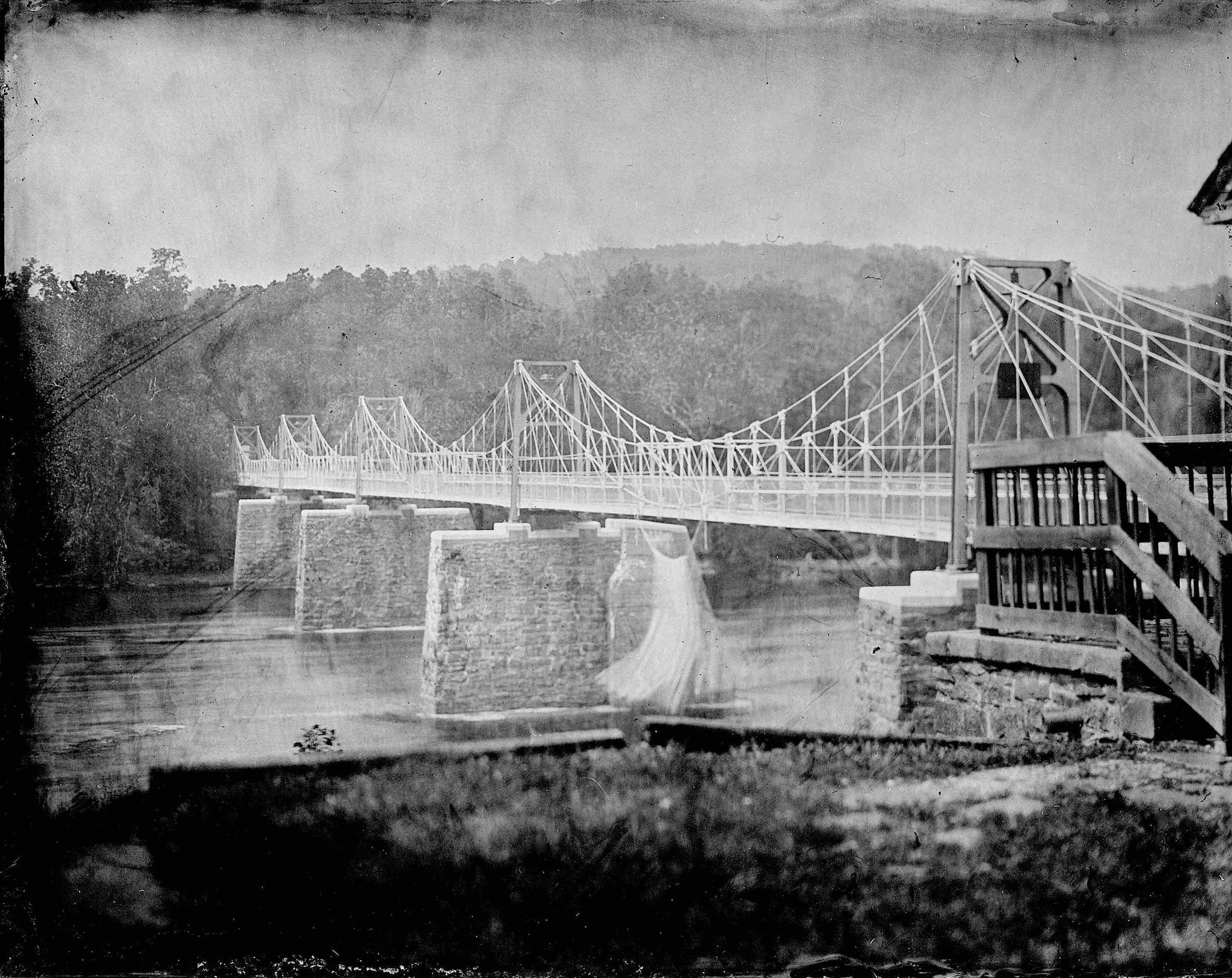
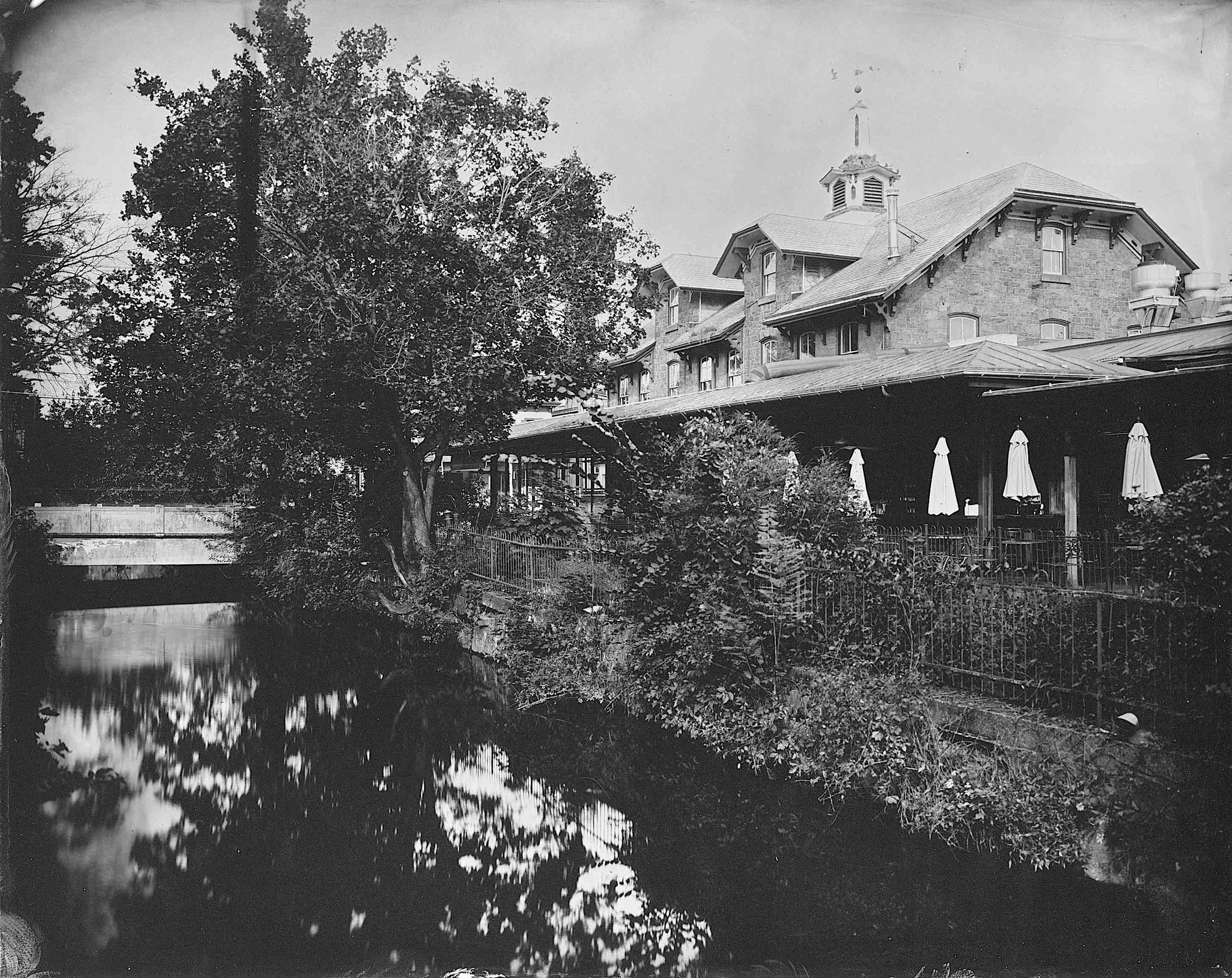
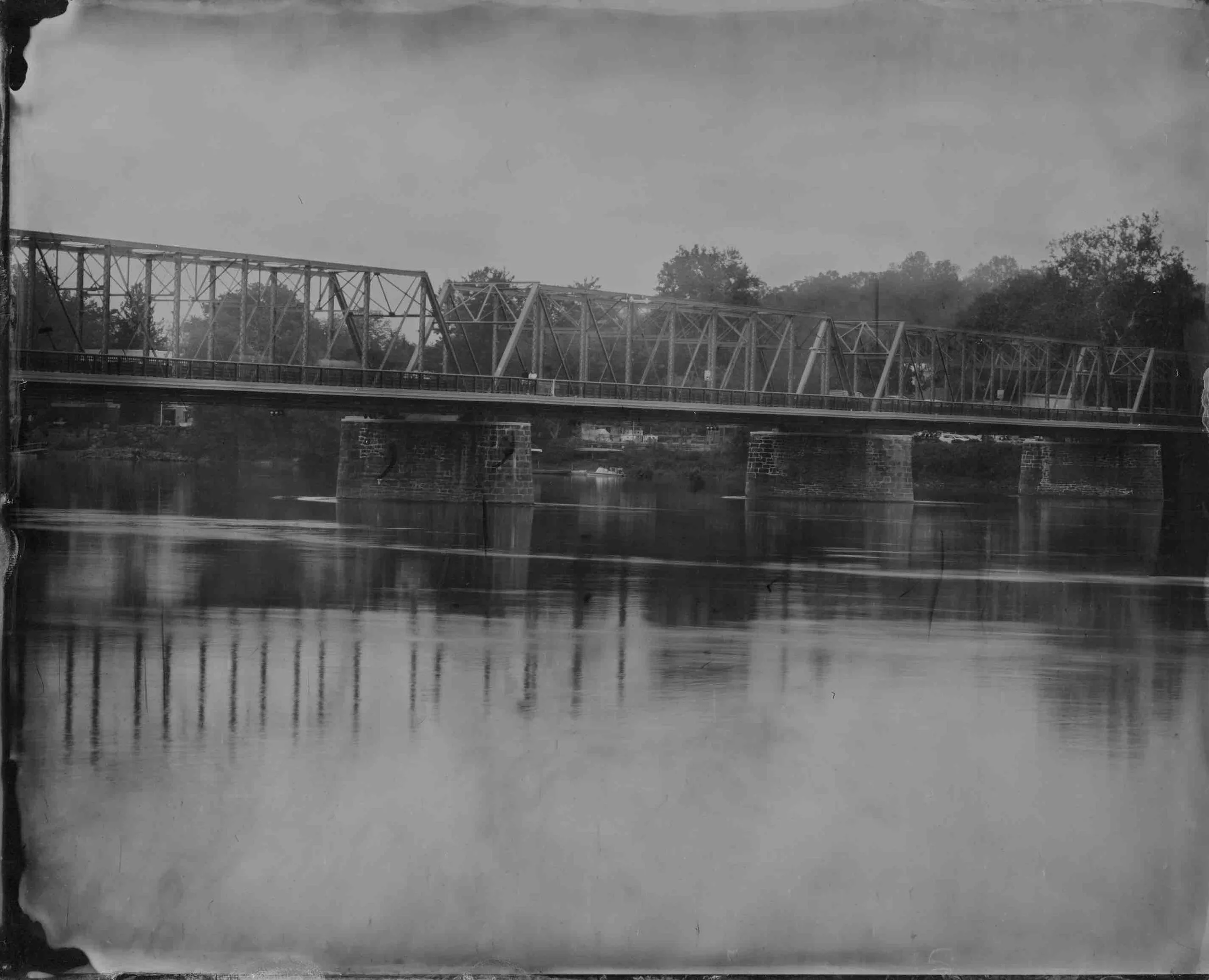
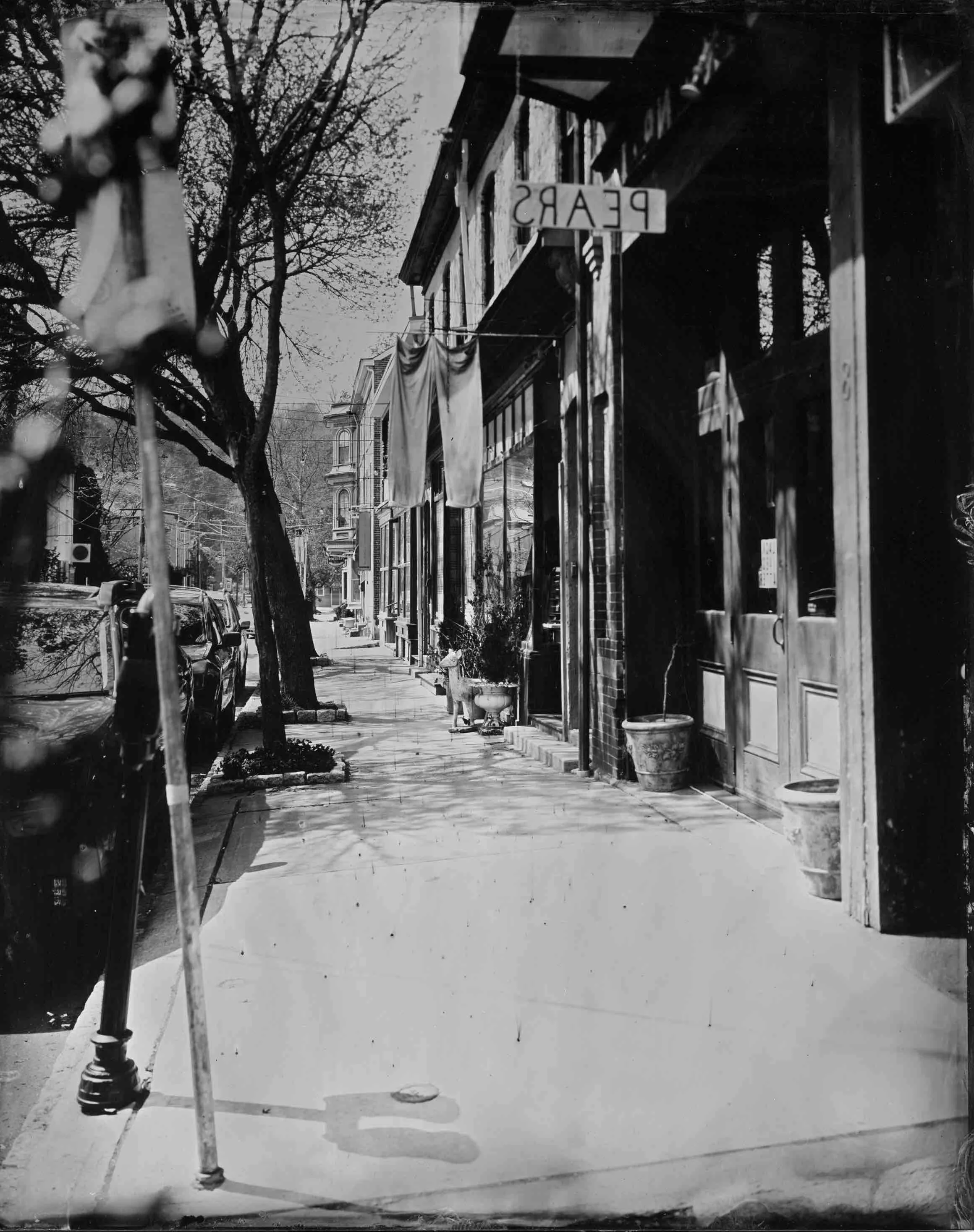
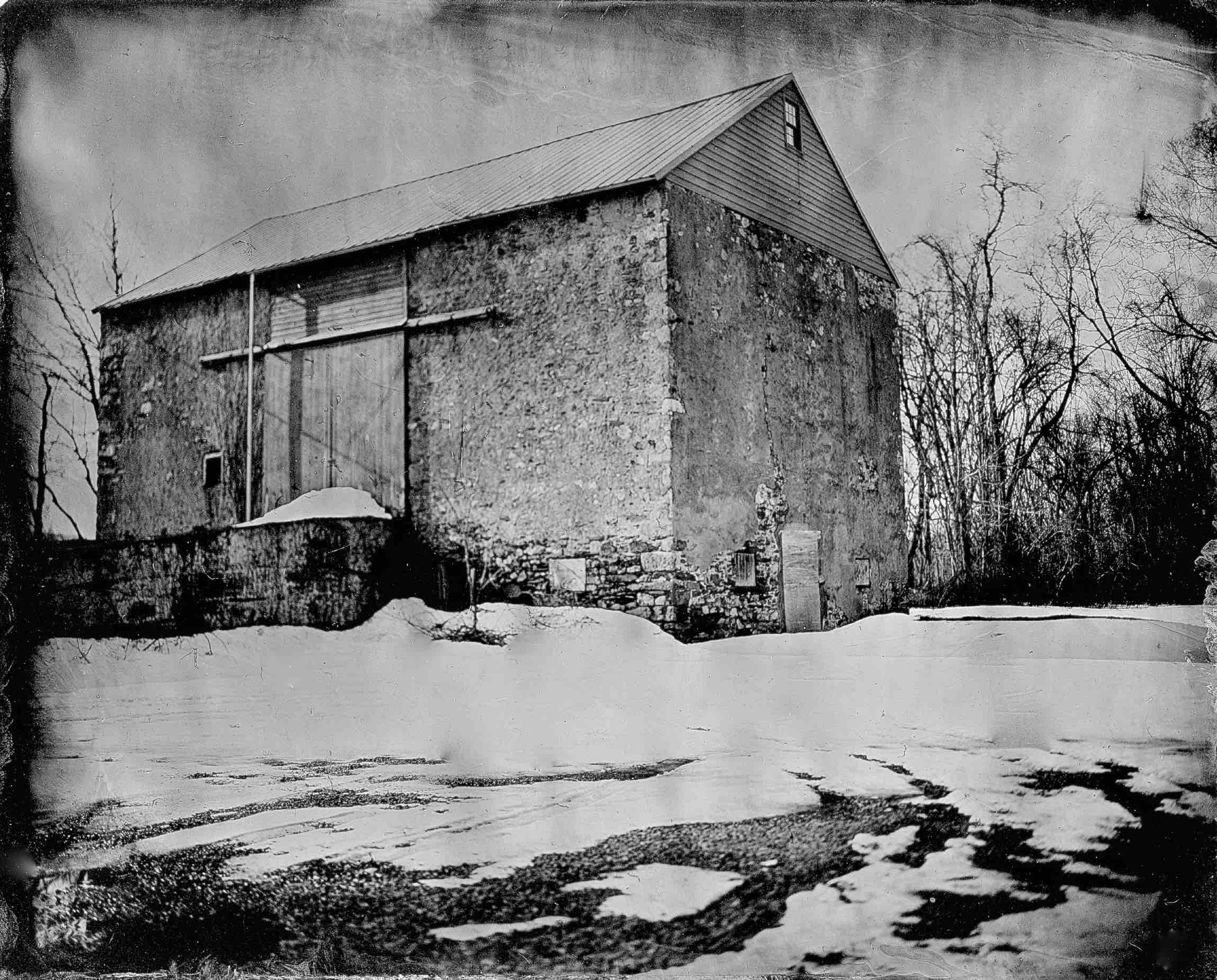
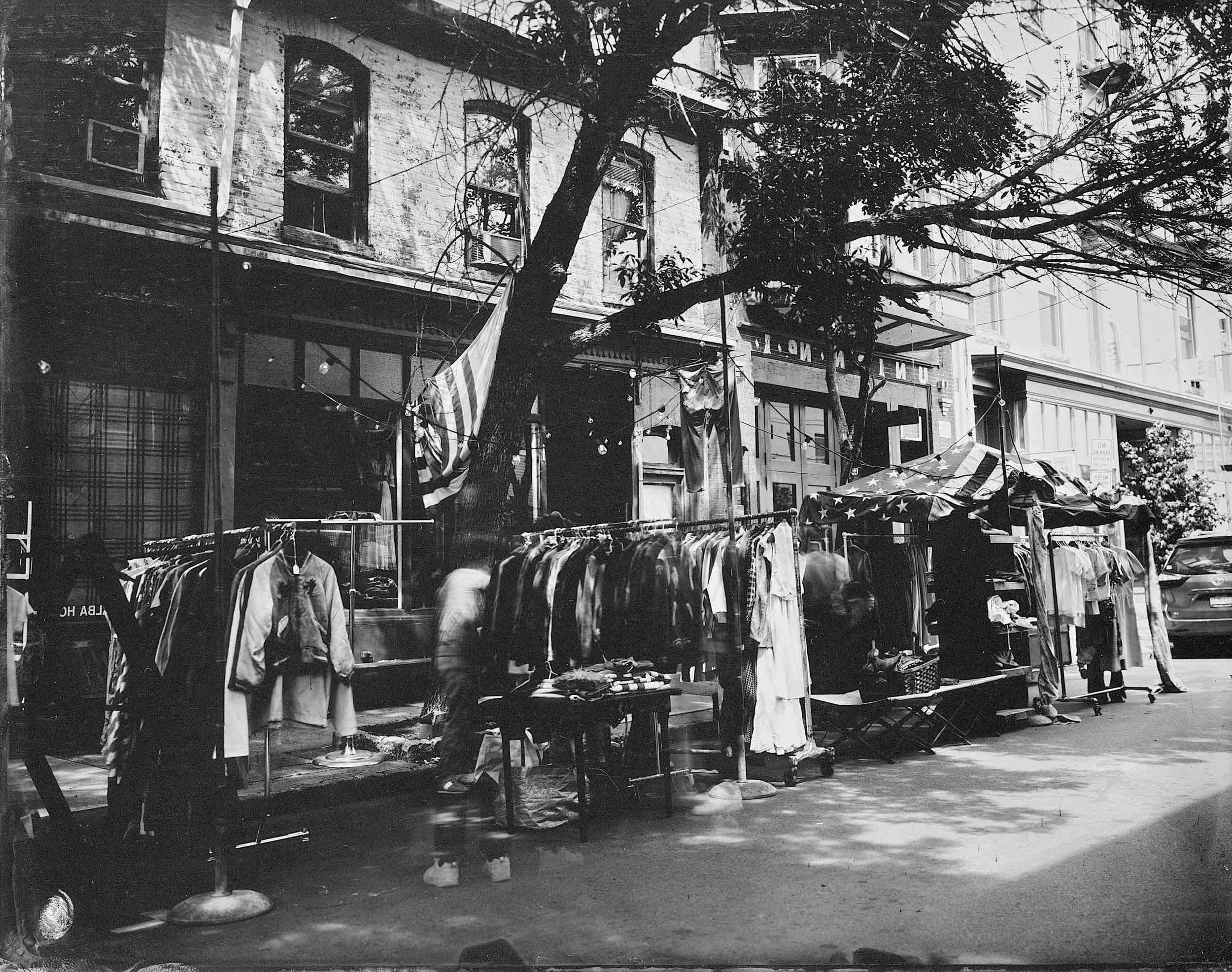
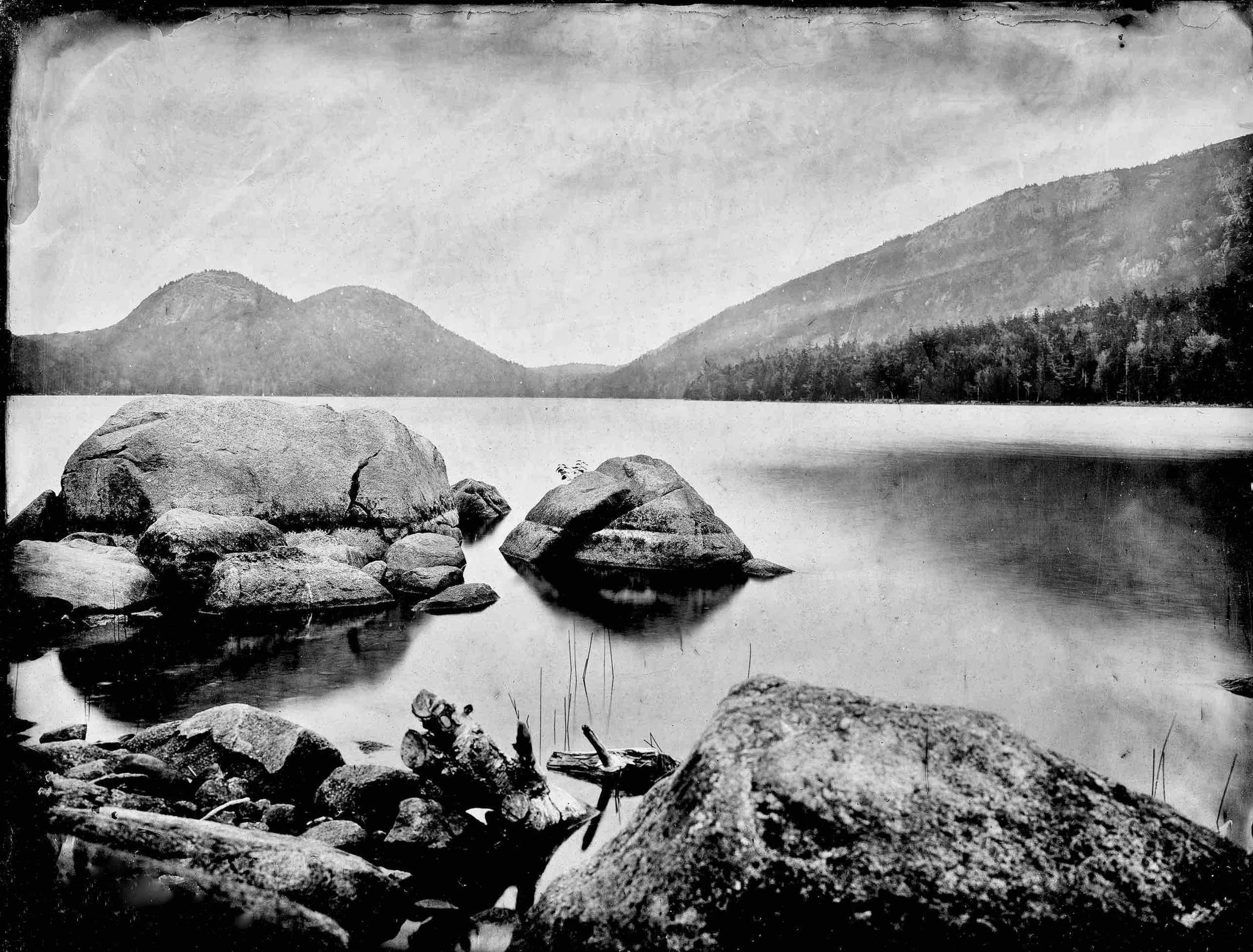
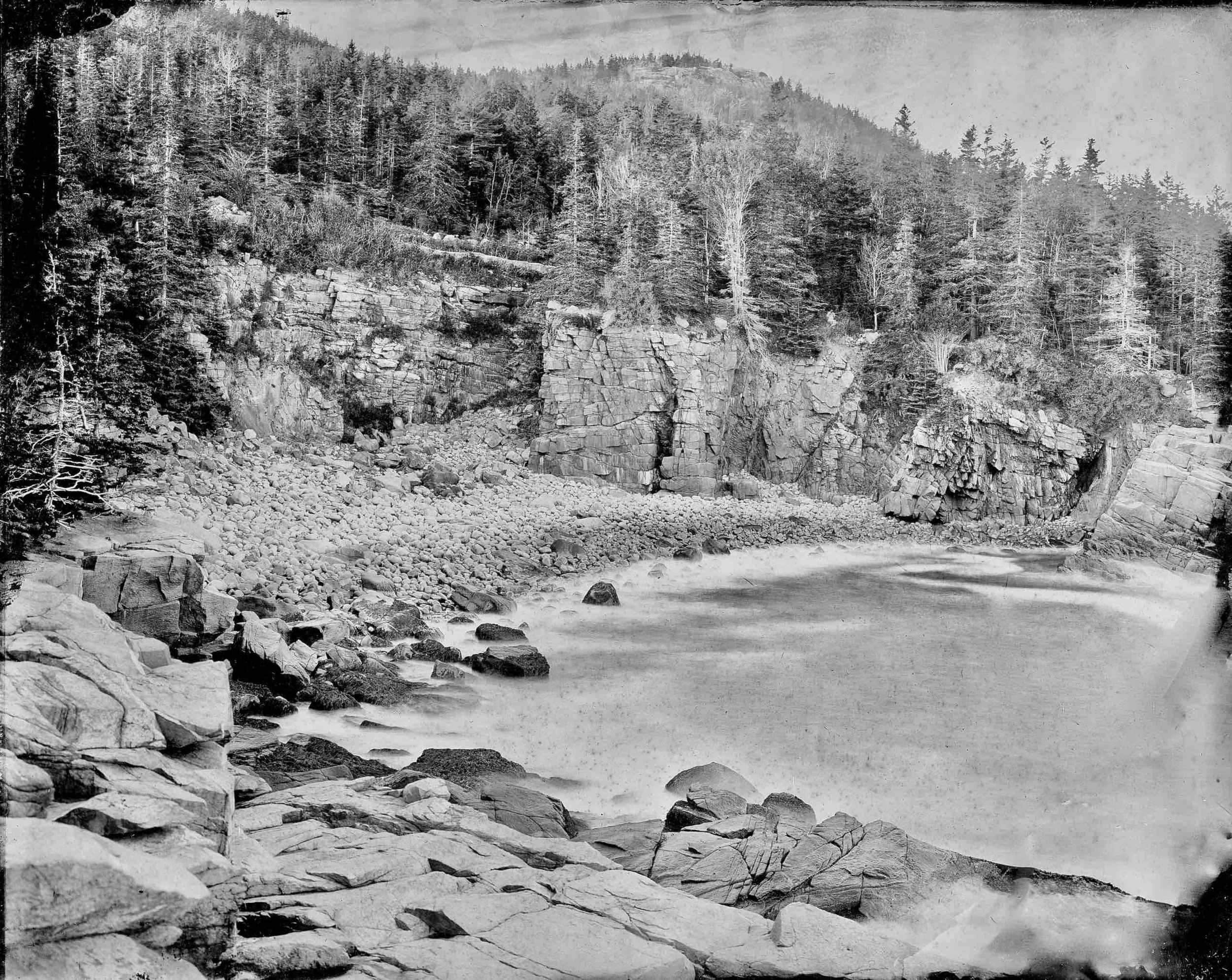
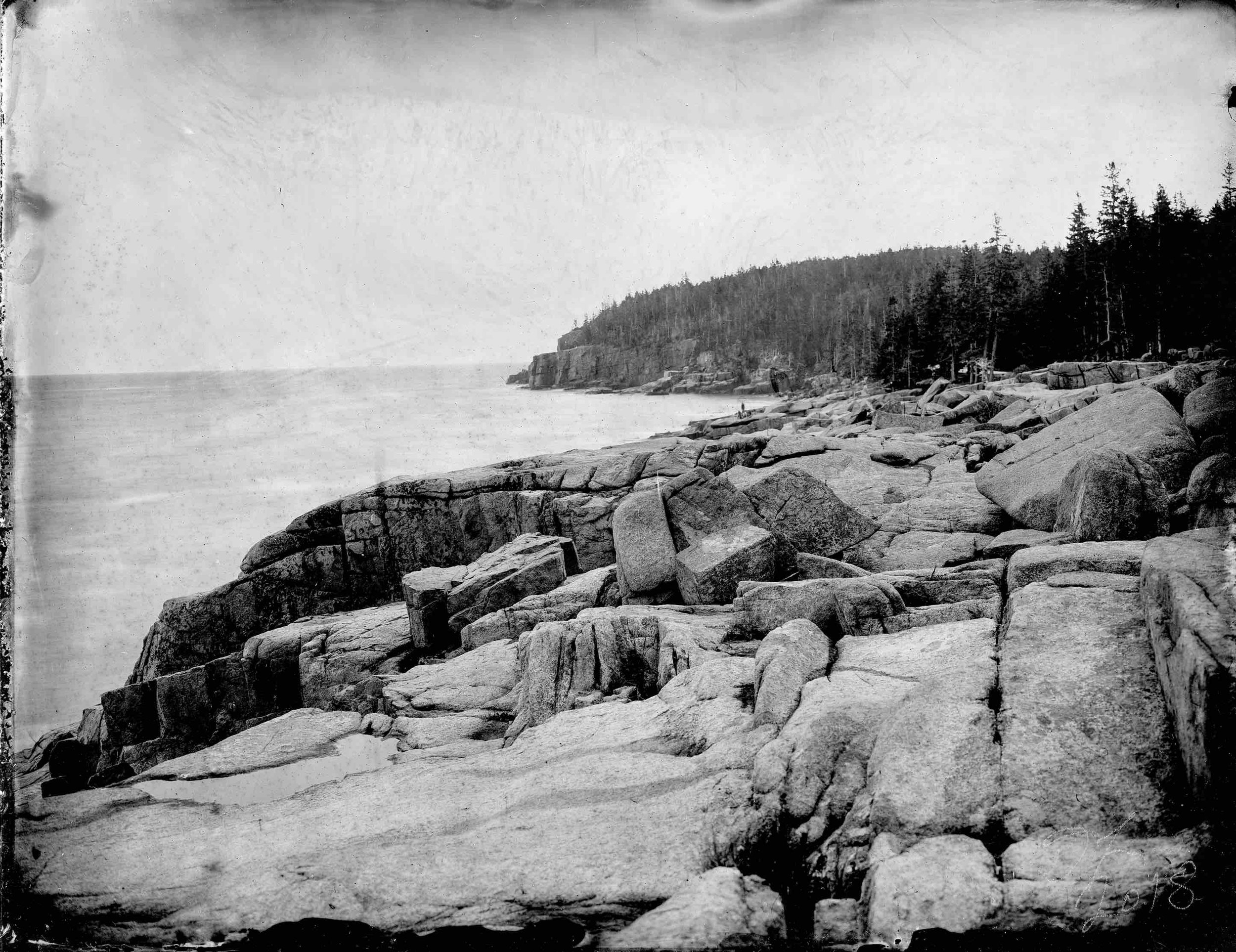
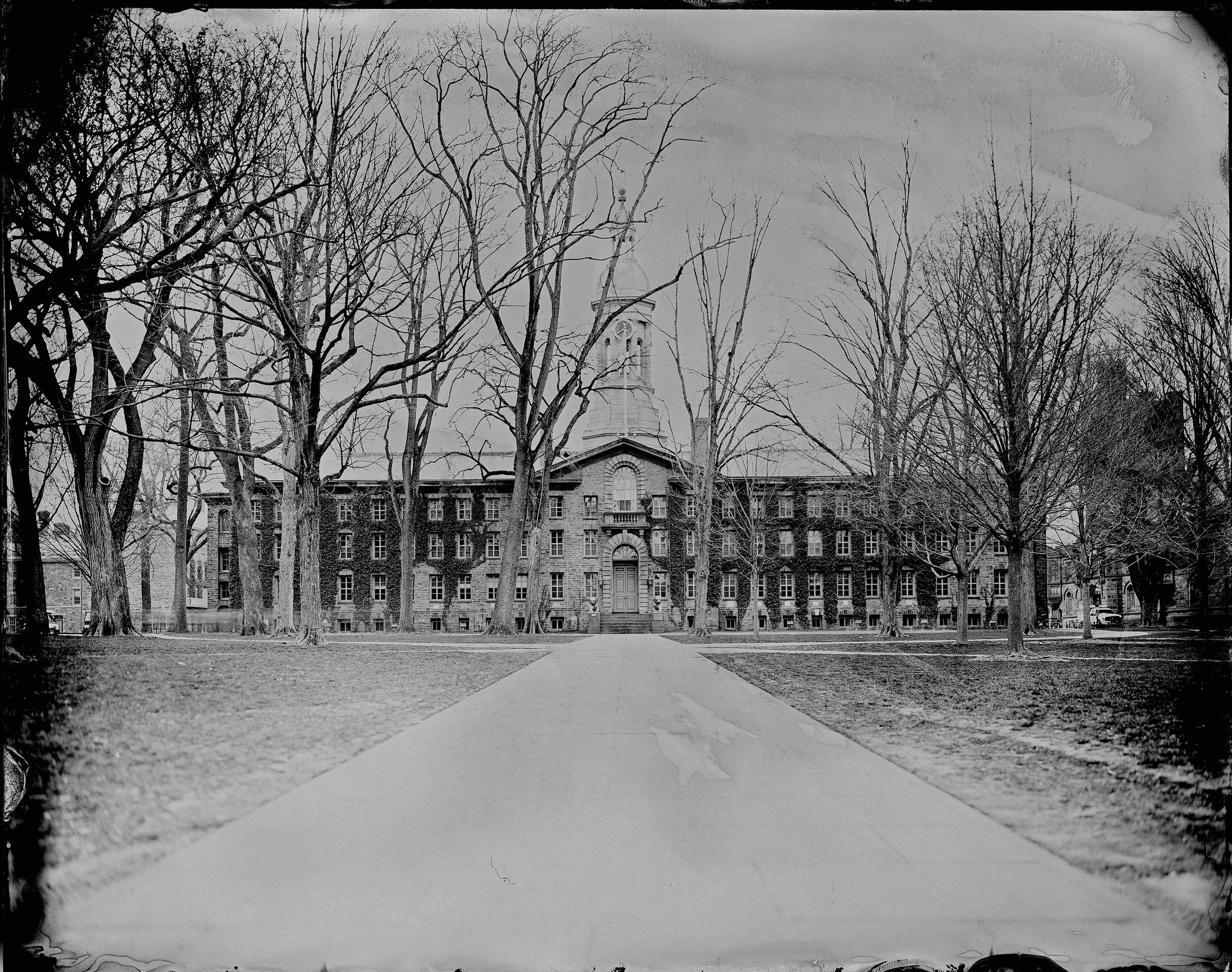
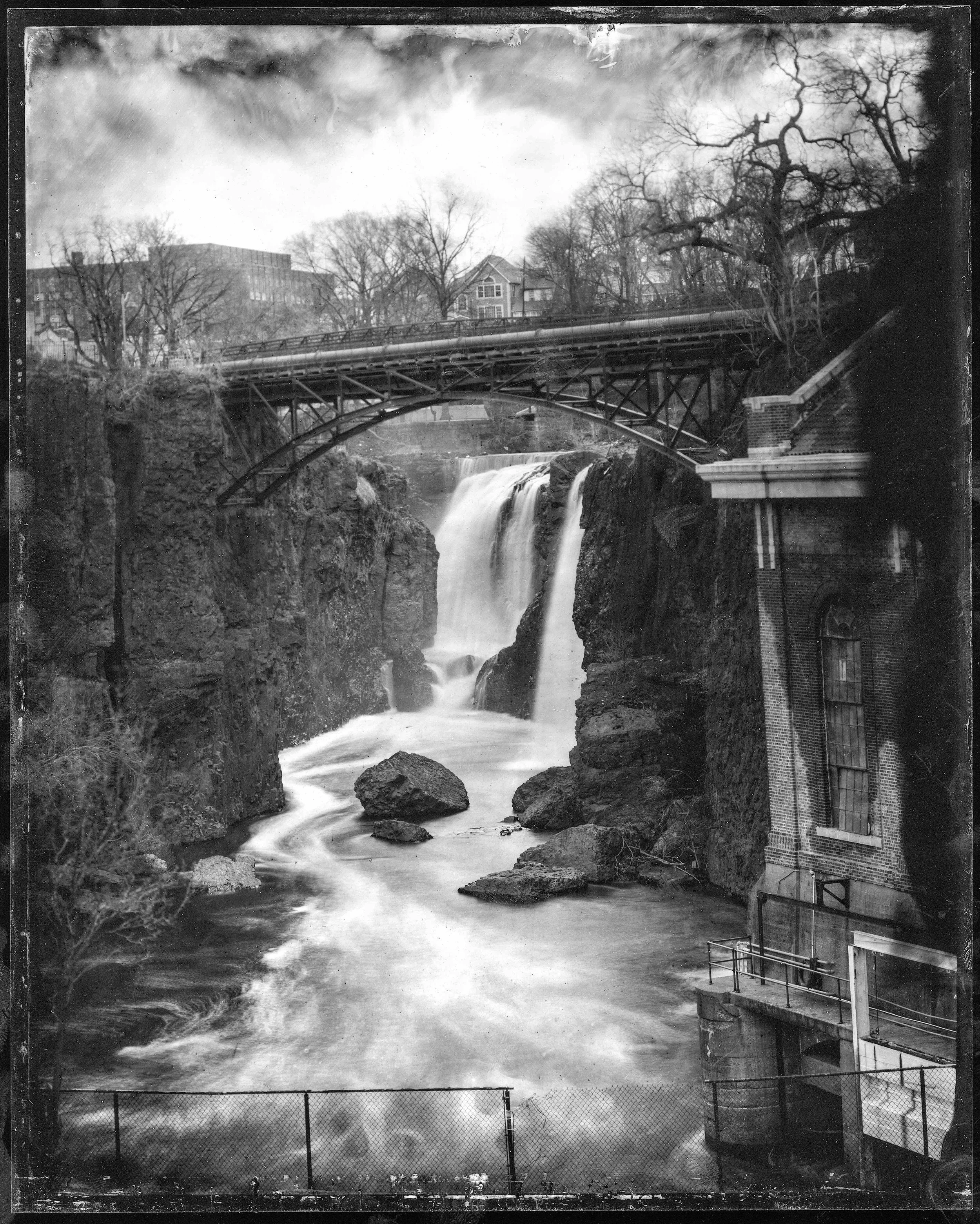
These plates were made on this side of the country. Bridges over the Delaware and the towns at either end of them. Barns and mills that have outlasted the farms and the work. Princeton in winter, when the courtyards are empty. The granite coast at Acadia, which will still be there long after the rest of it has gone.
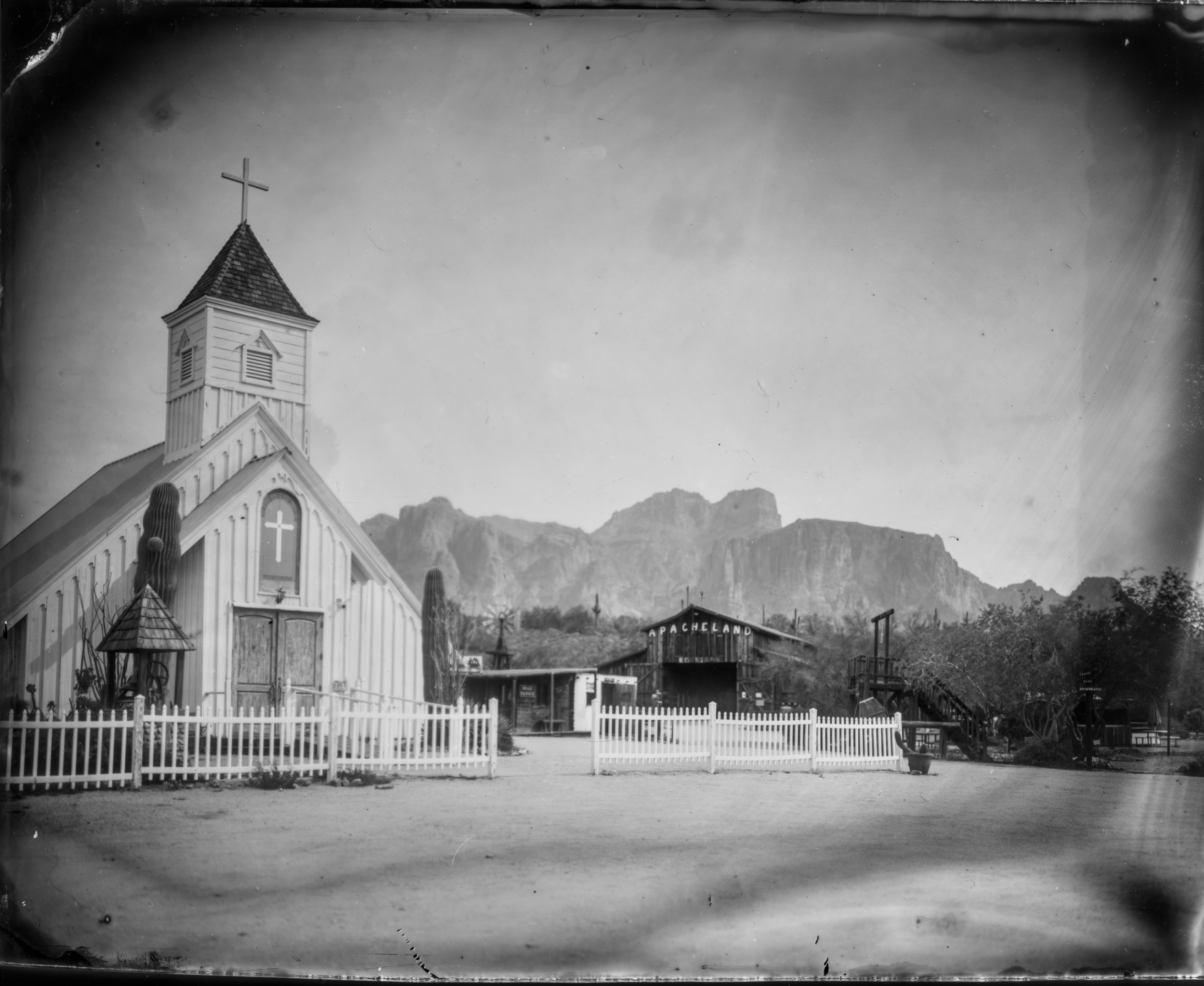
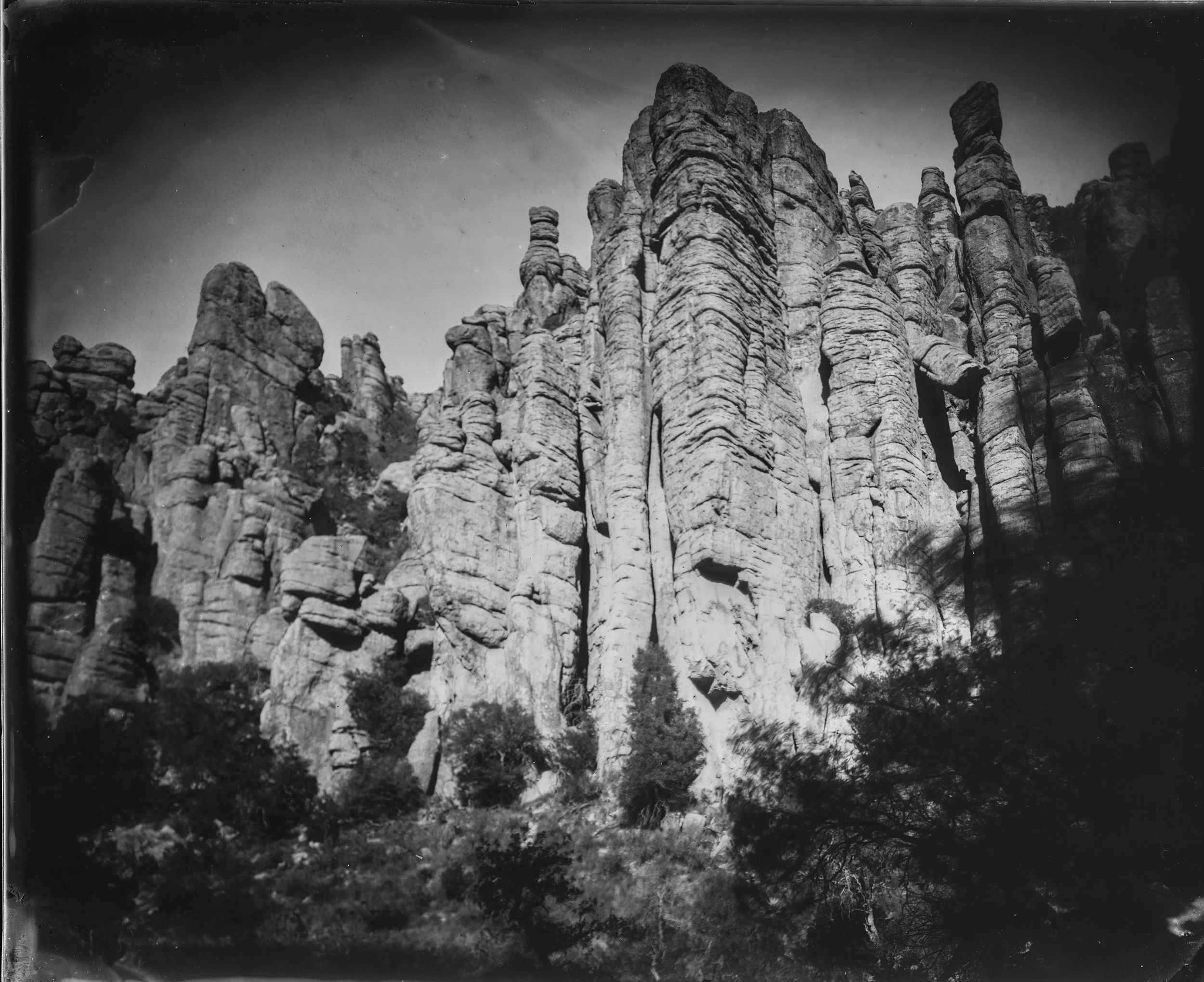
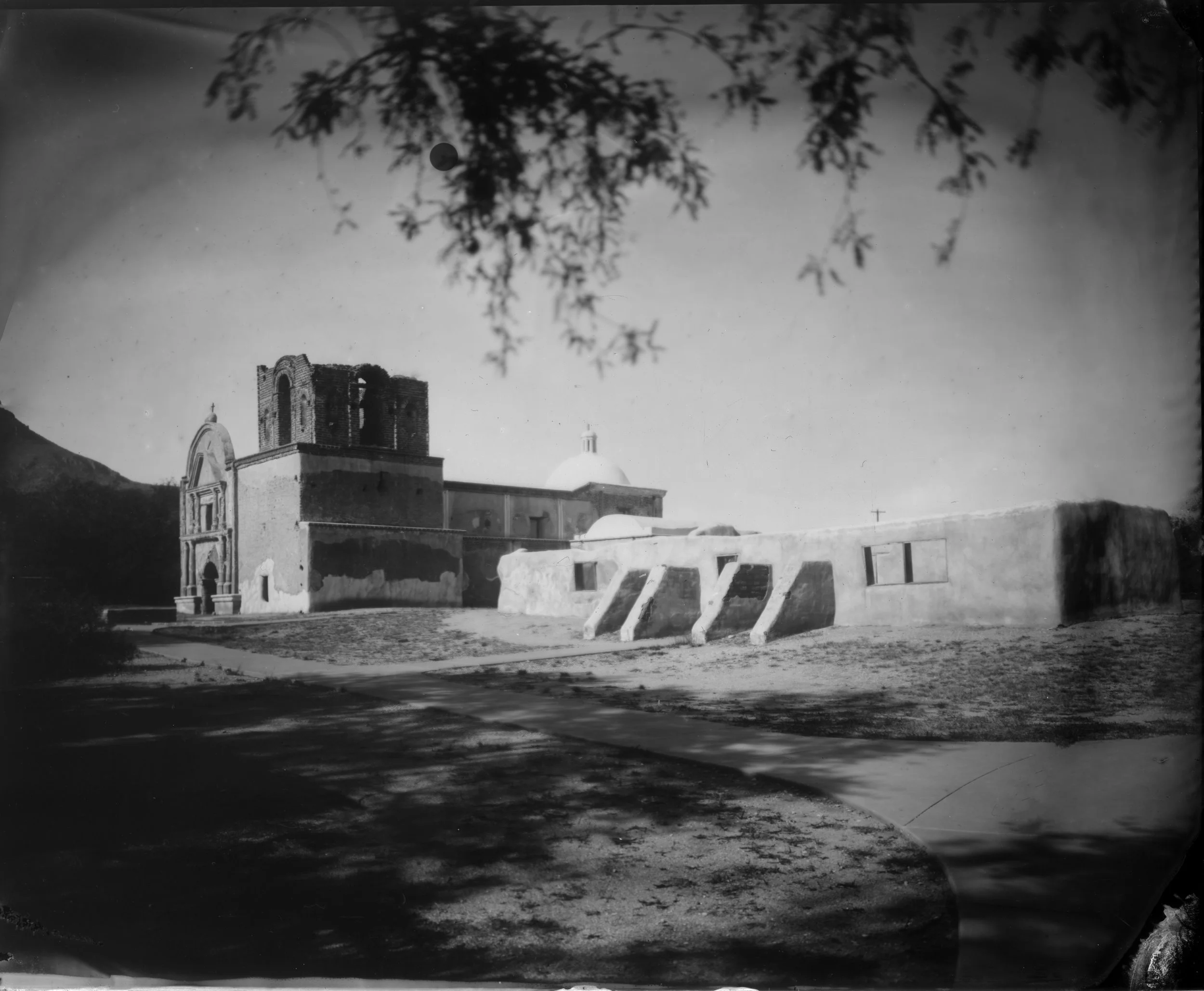
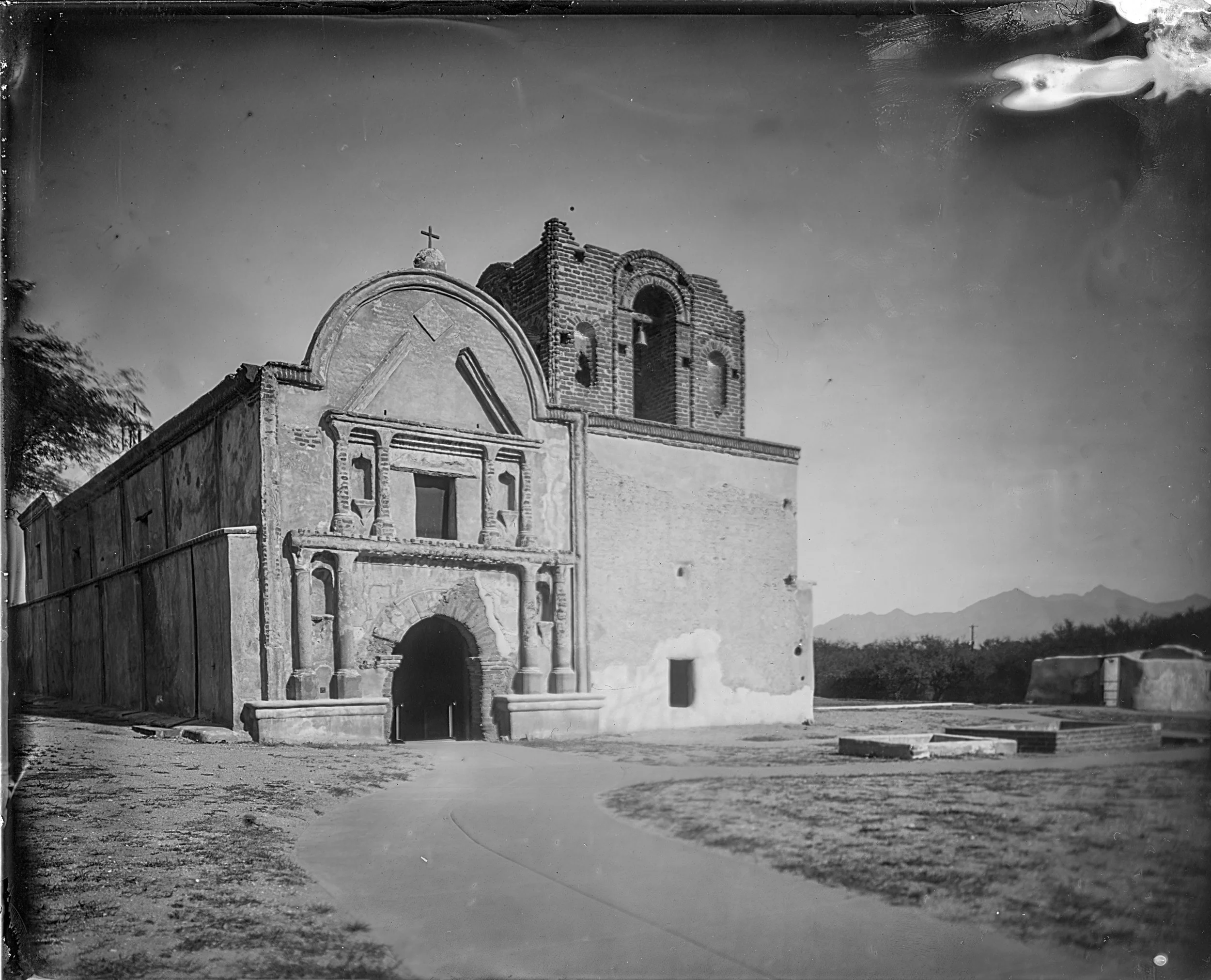
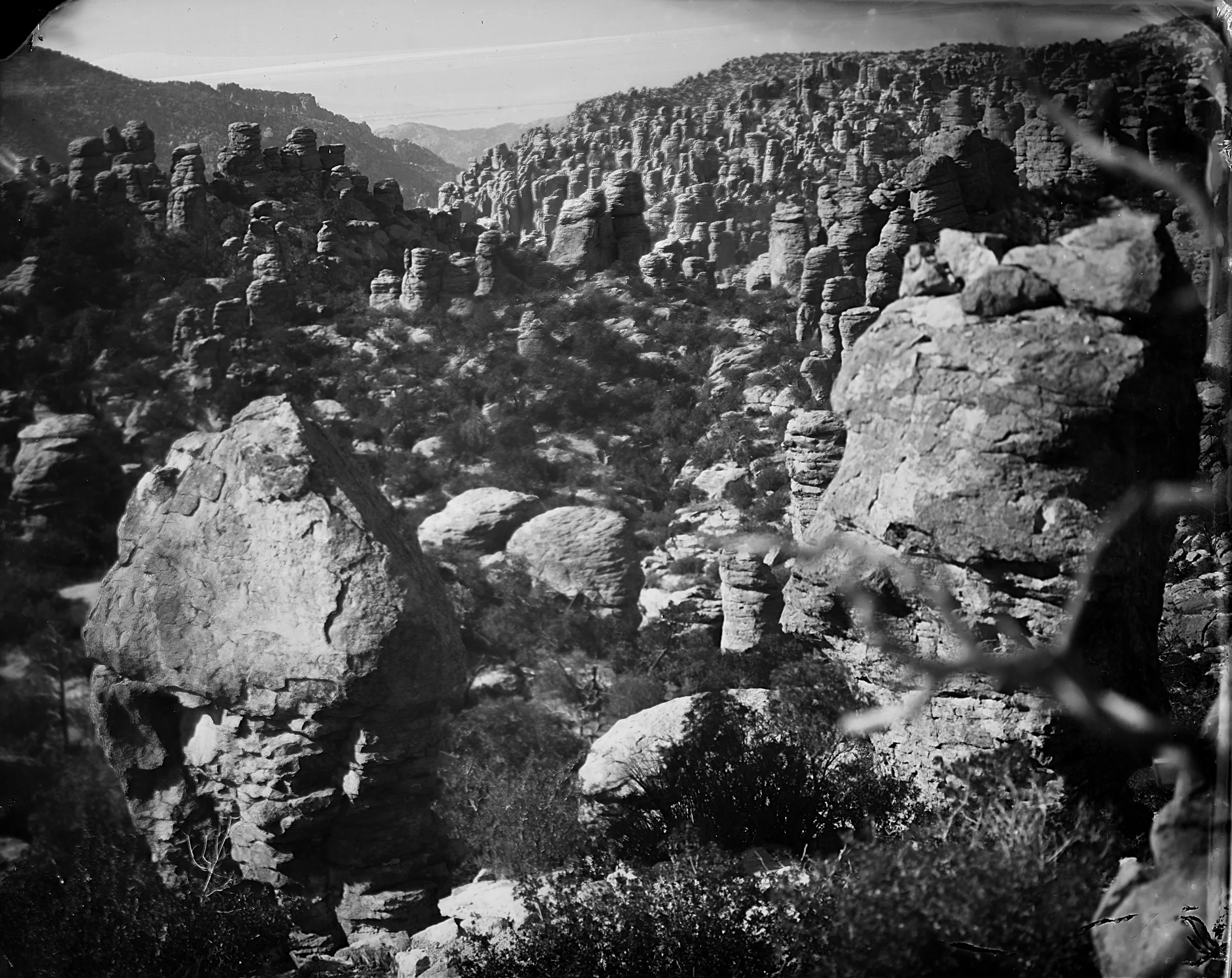
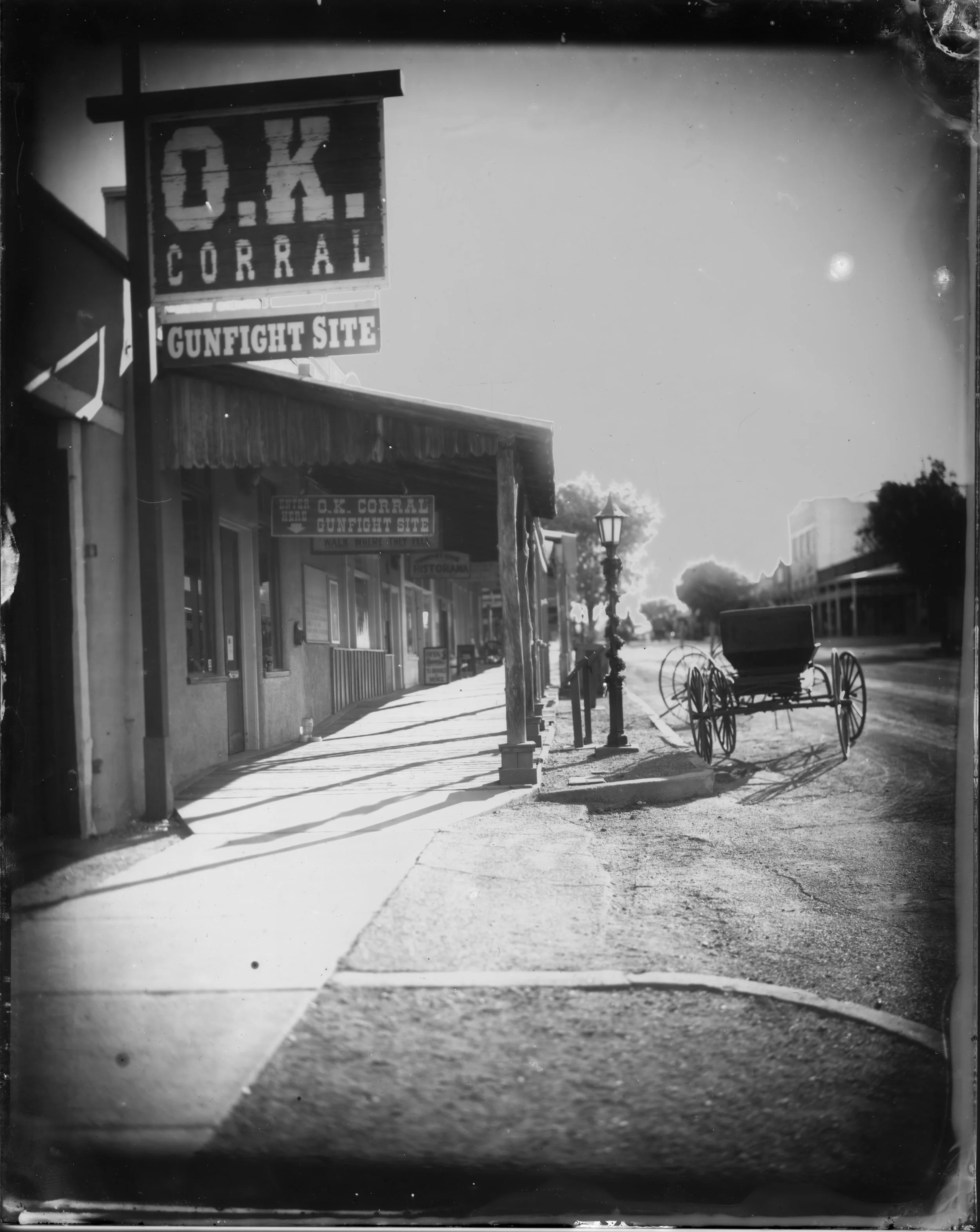
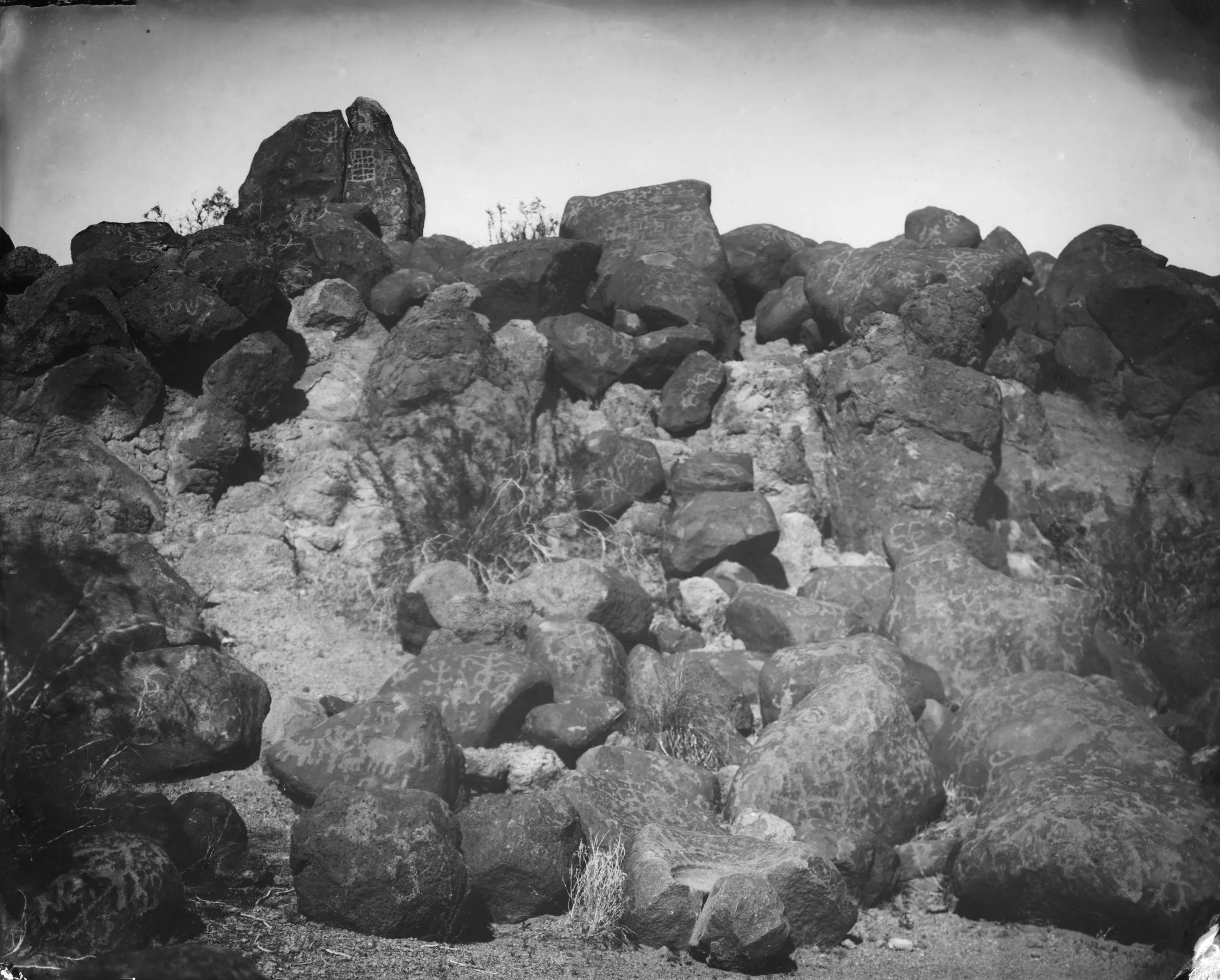
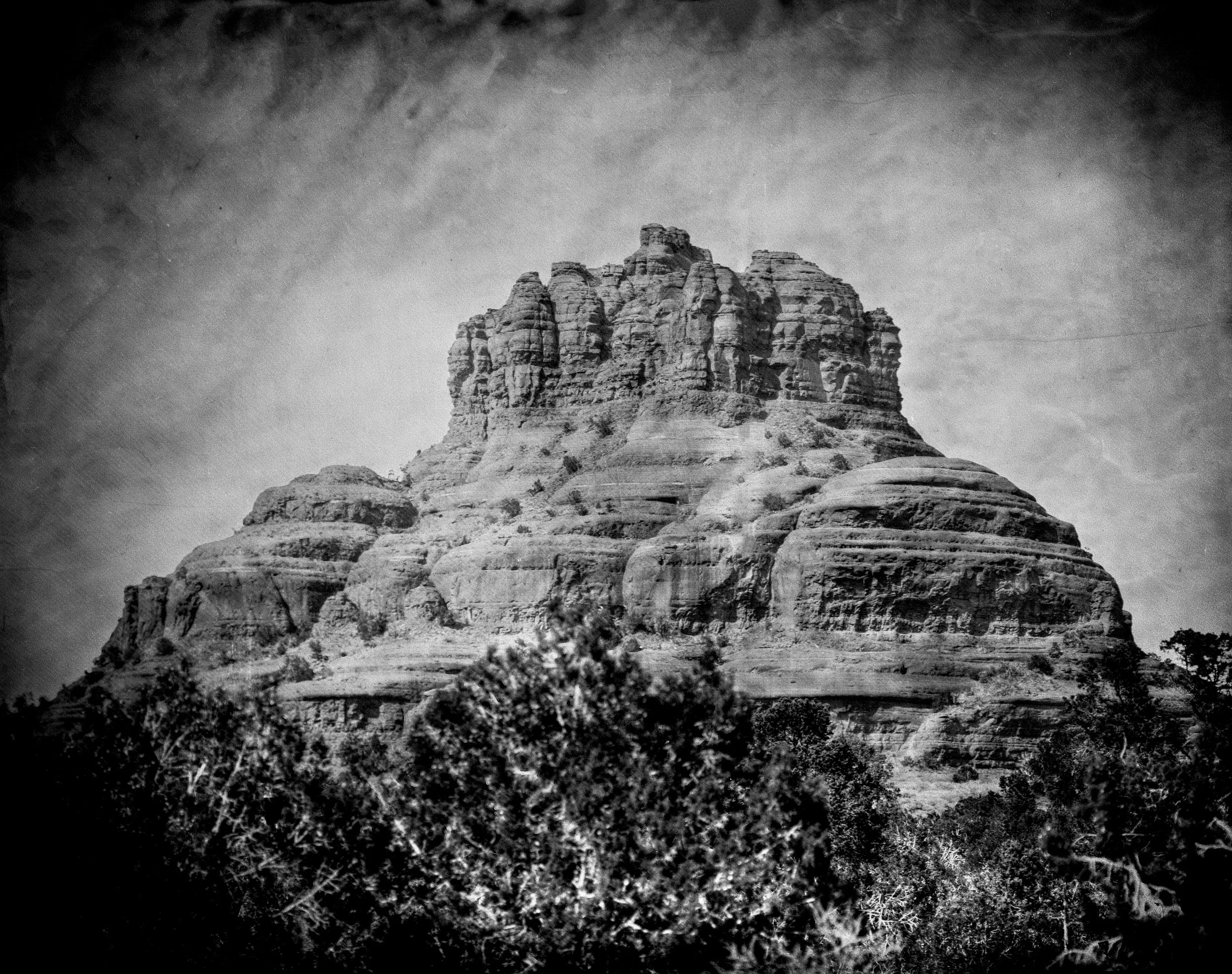
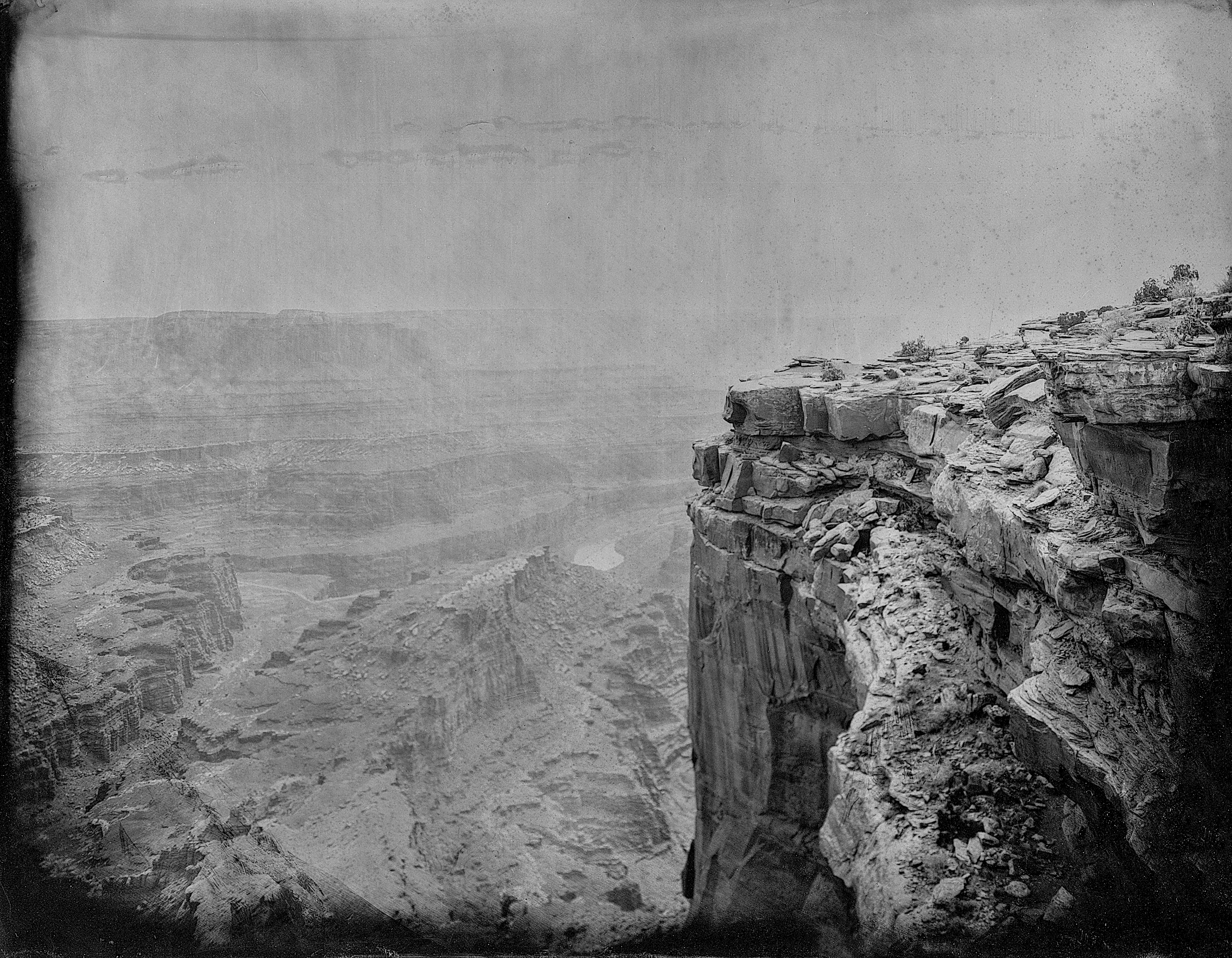
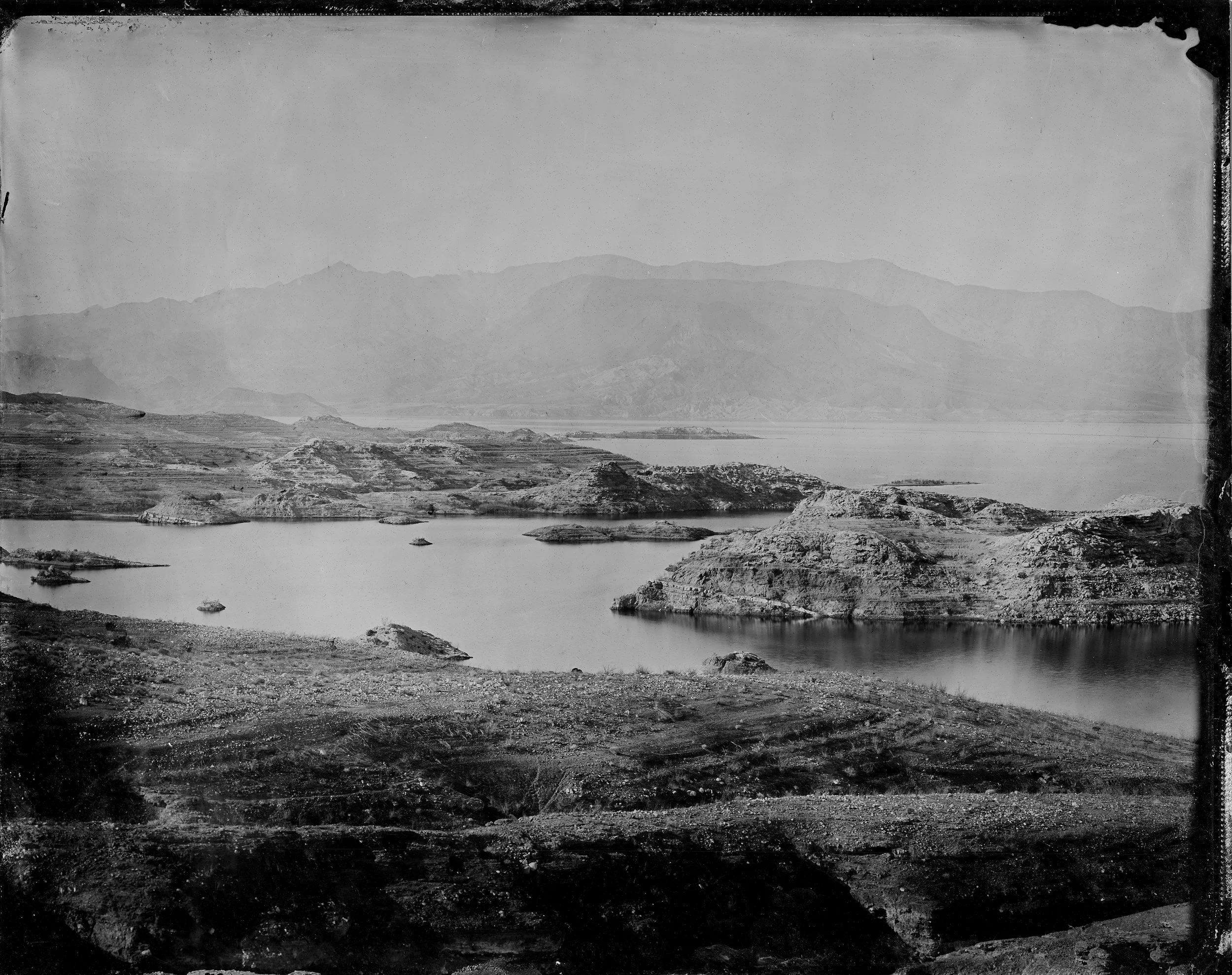
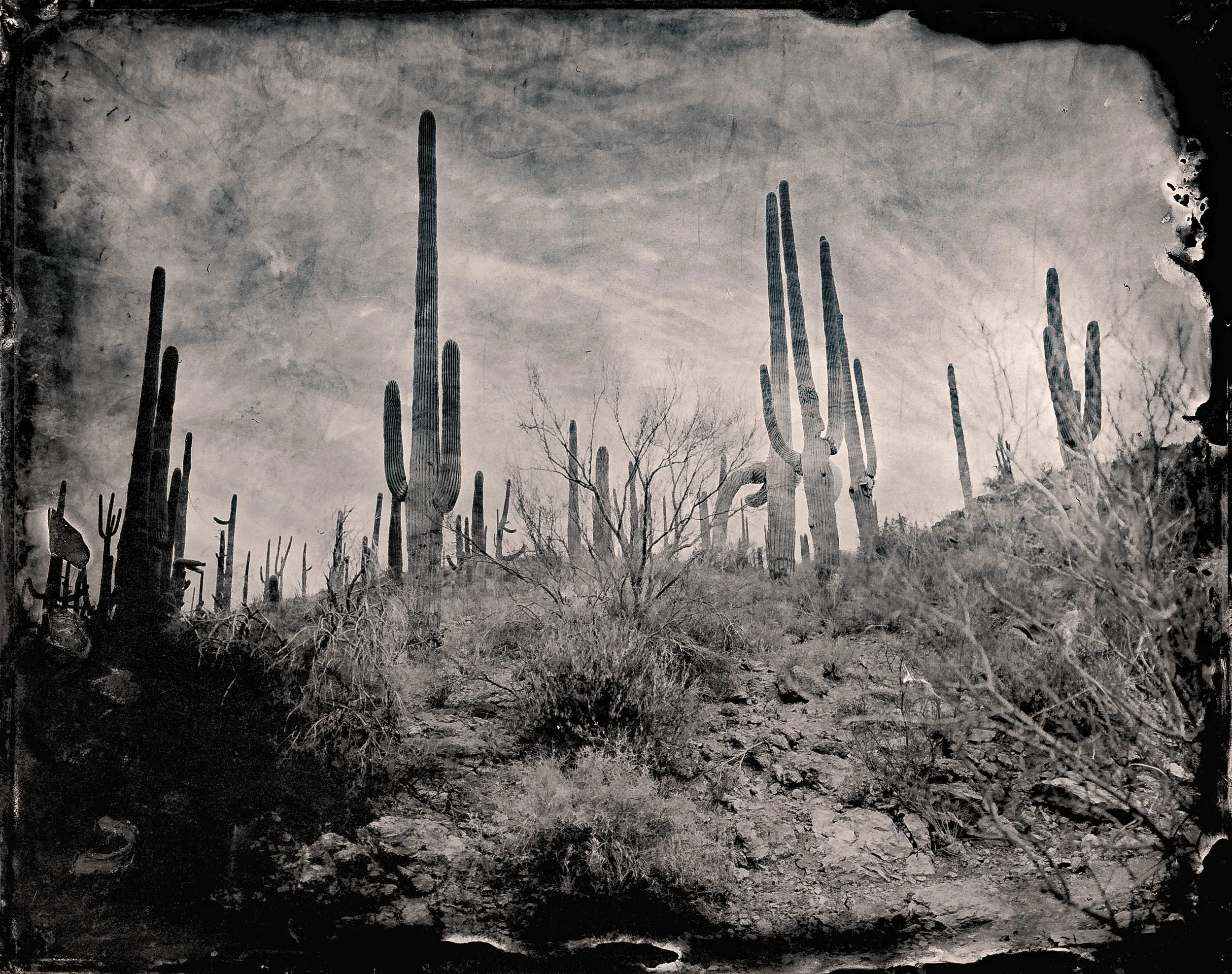
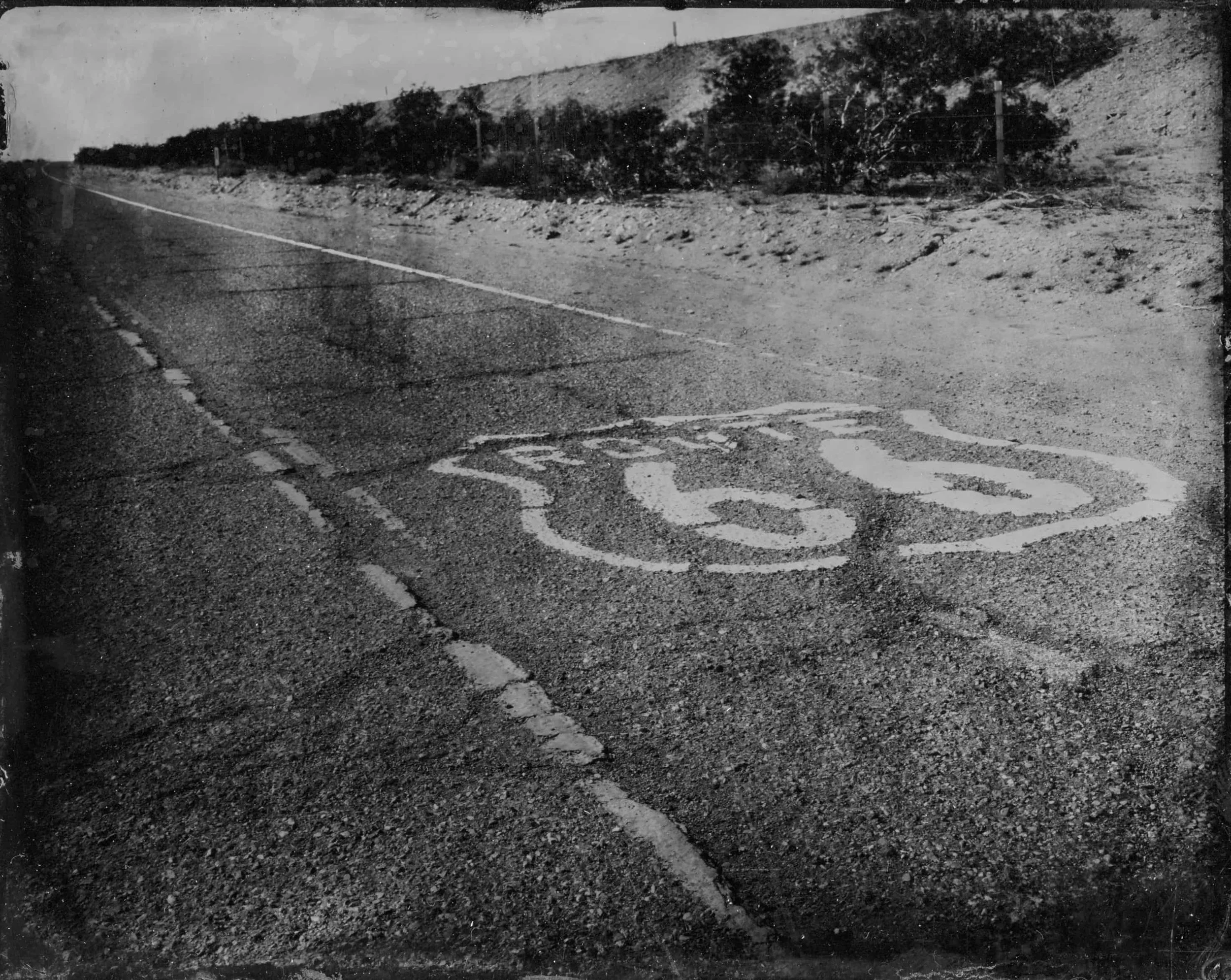
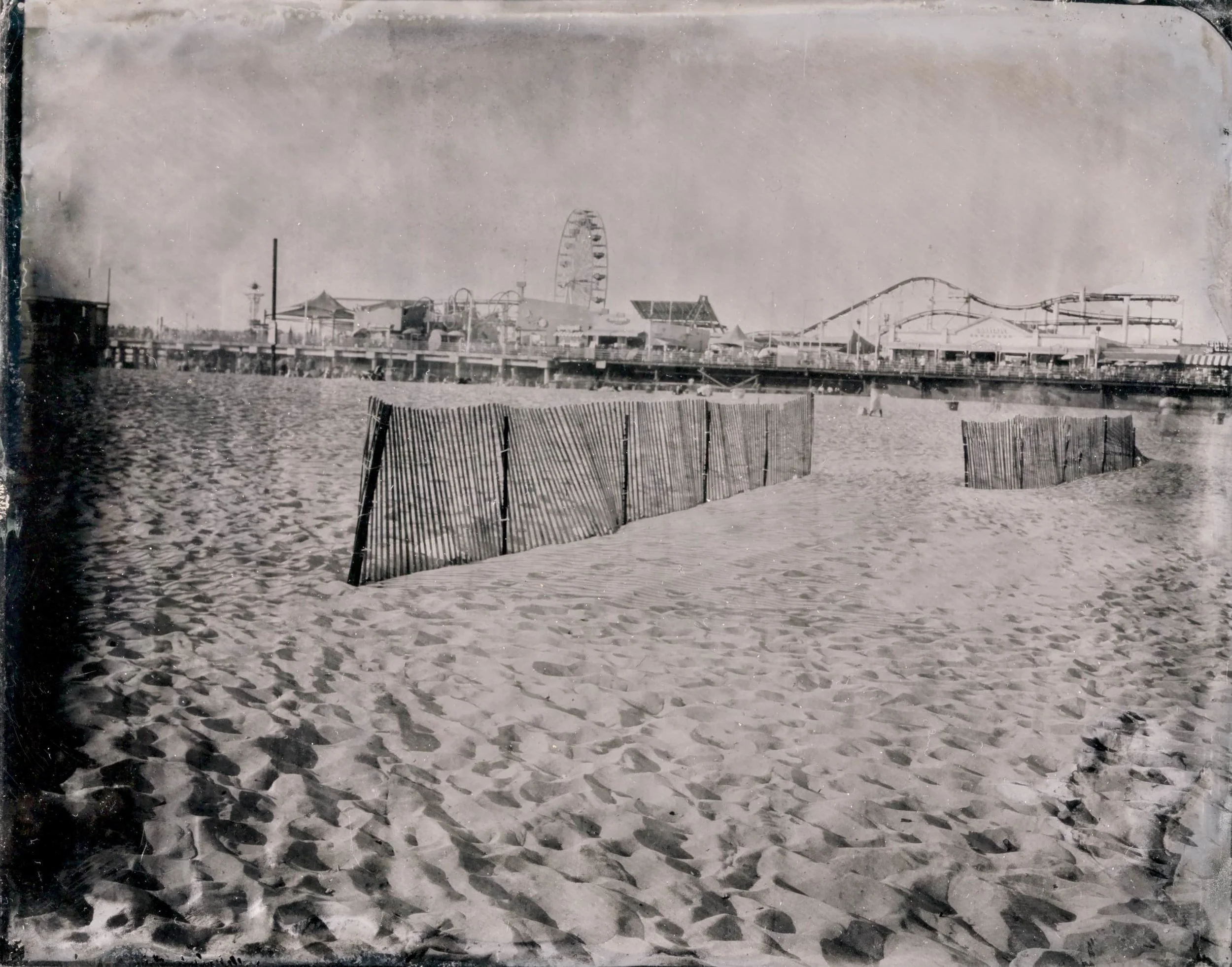
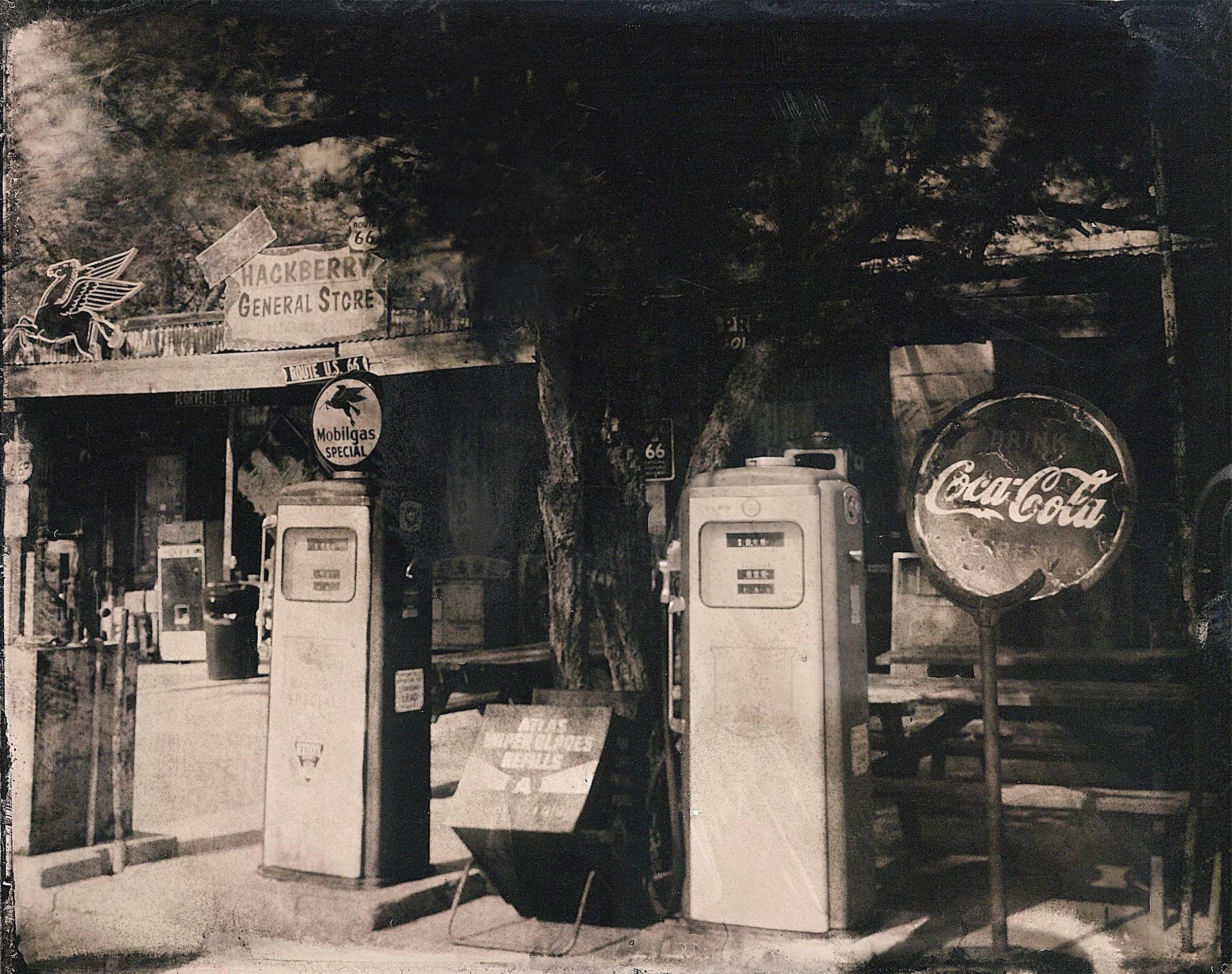
The process is the same one photographers used through the 1850s, 60s and 70s, and it sees differently than a camera does now. Skies go pale, greens go dark, and anything that moves during the exposure disappears.
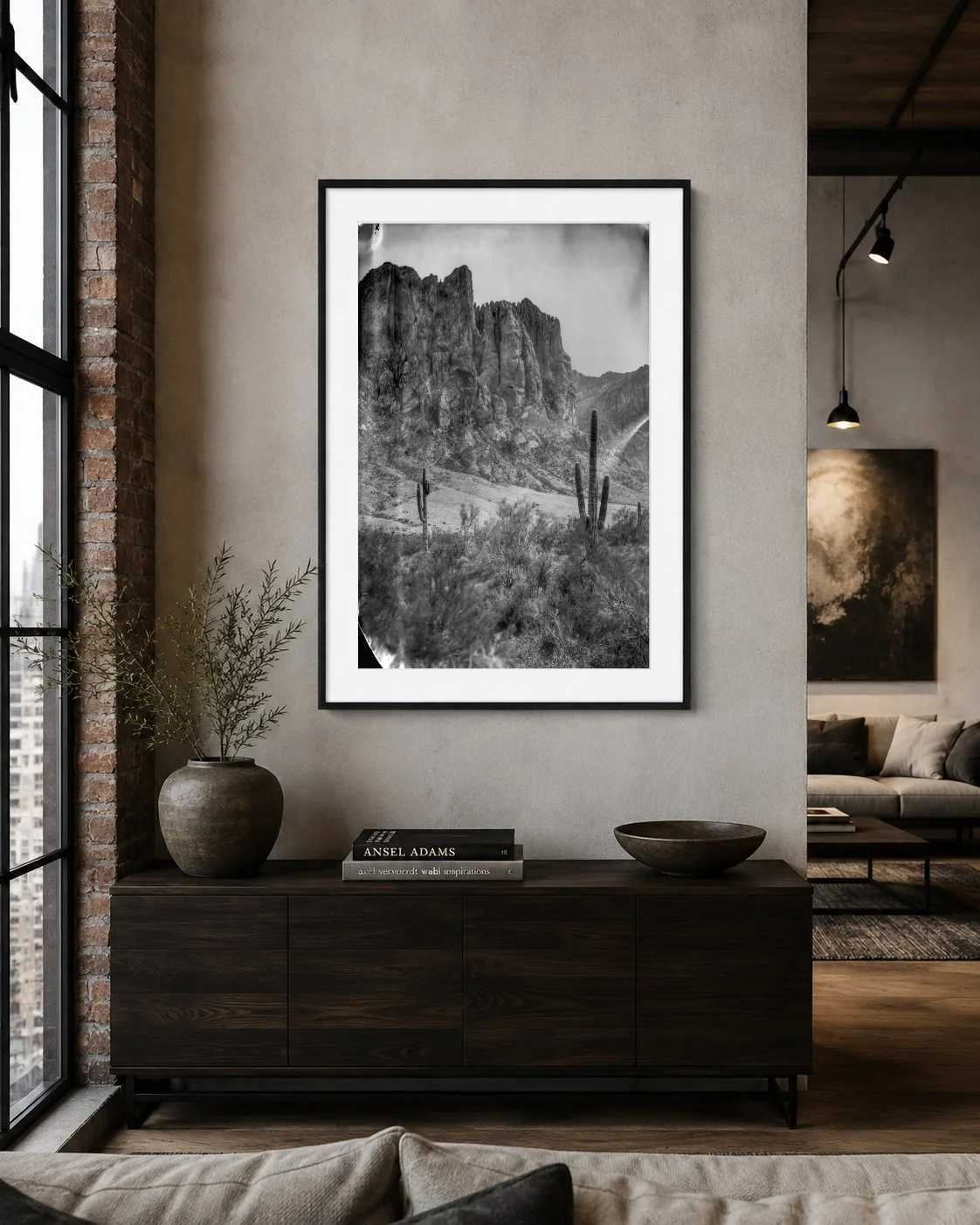
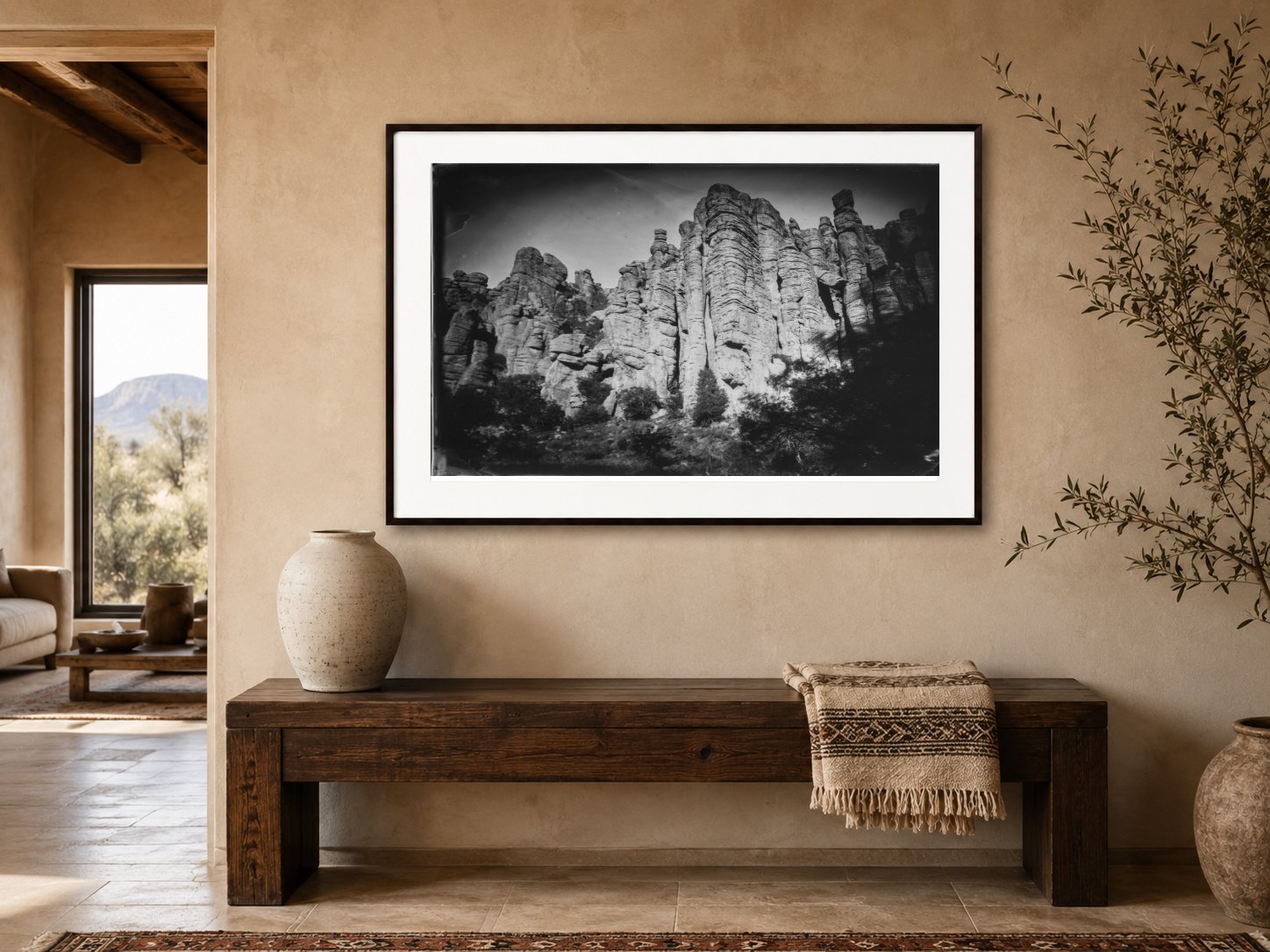
Each print is an archival giclée made from an original plate, in multiple sizes. The marks at the edges are where the collodion was poured, left as they came.