 Image 1 of 1
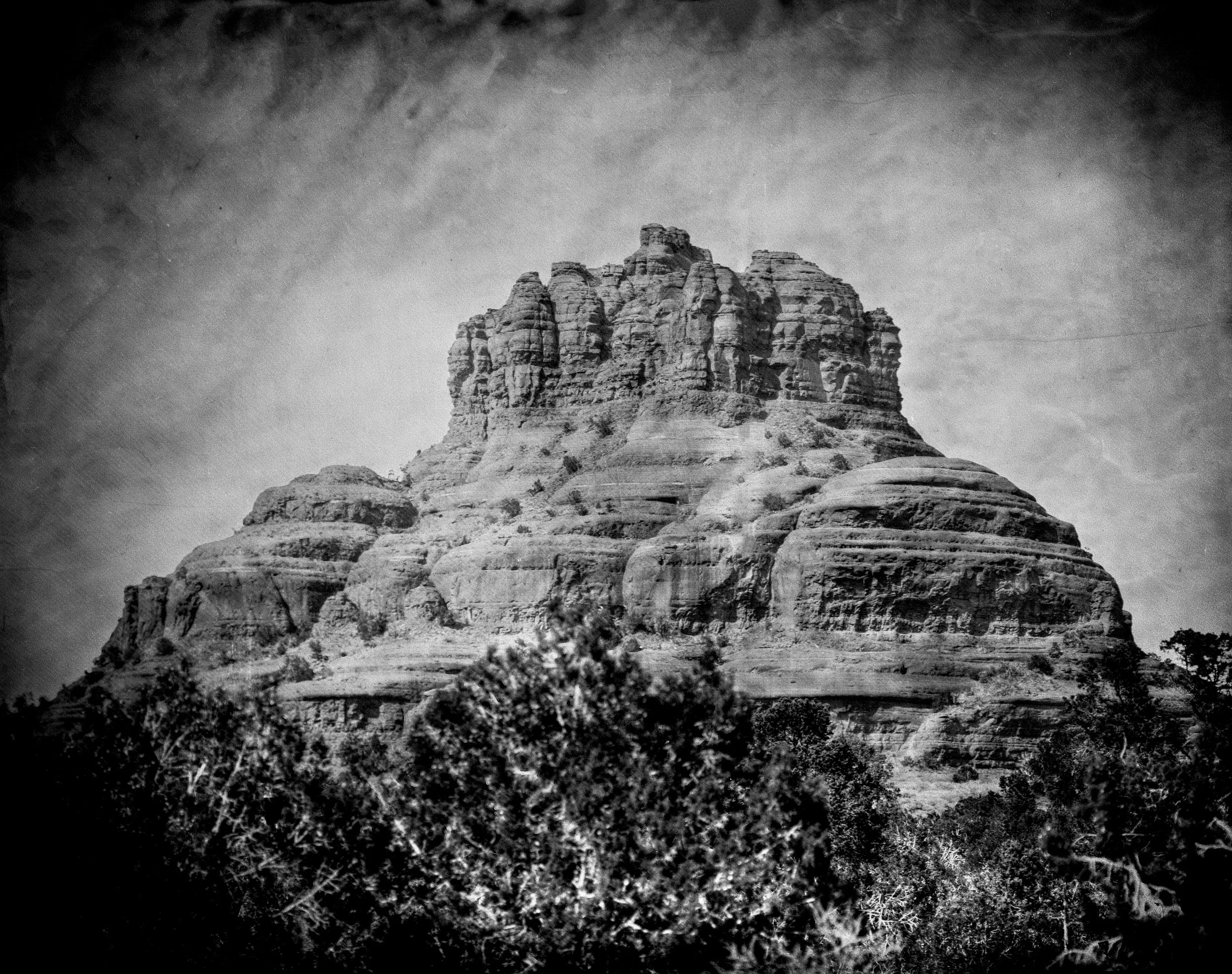
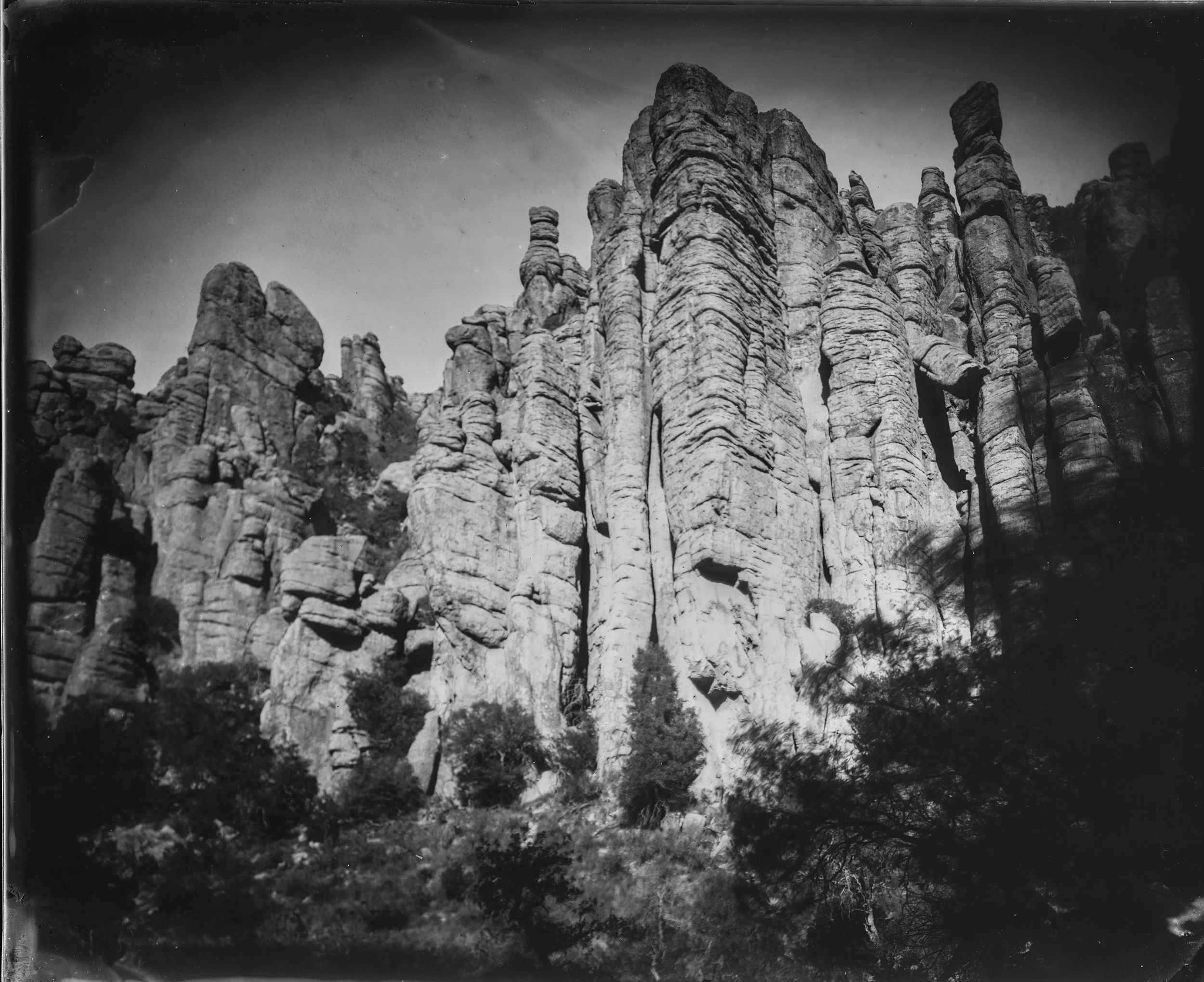
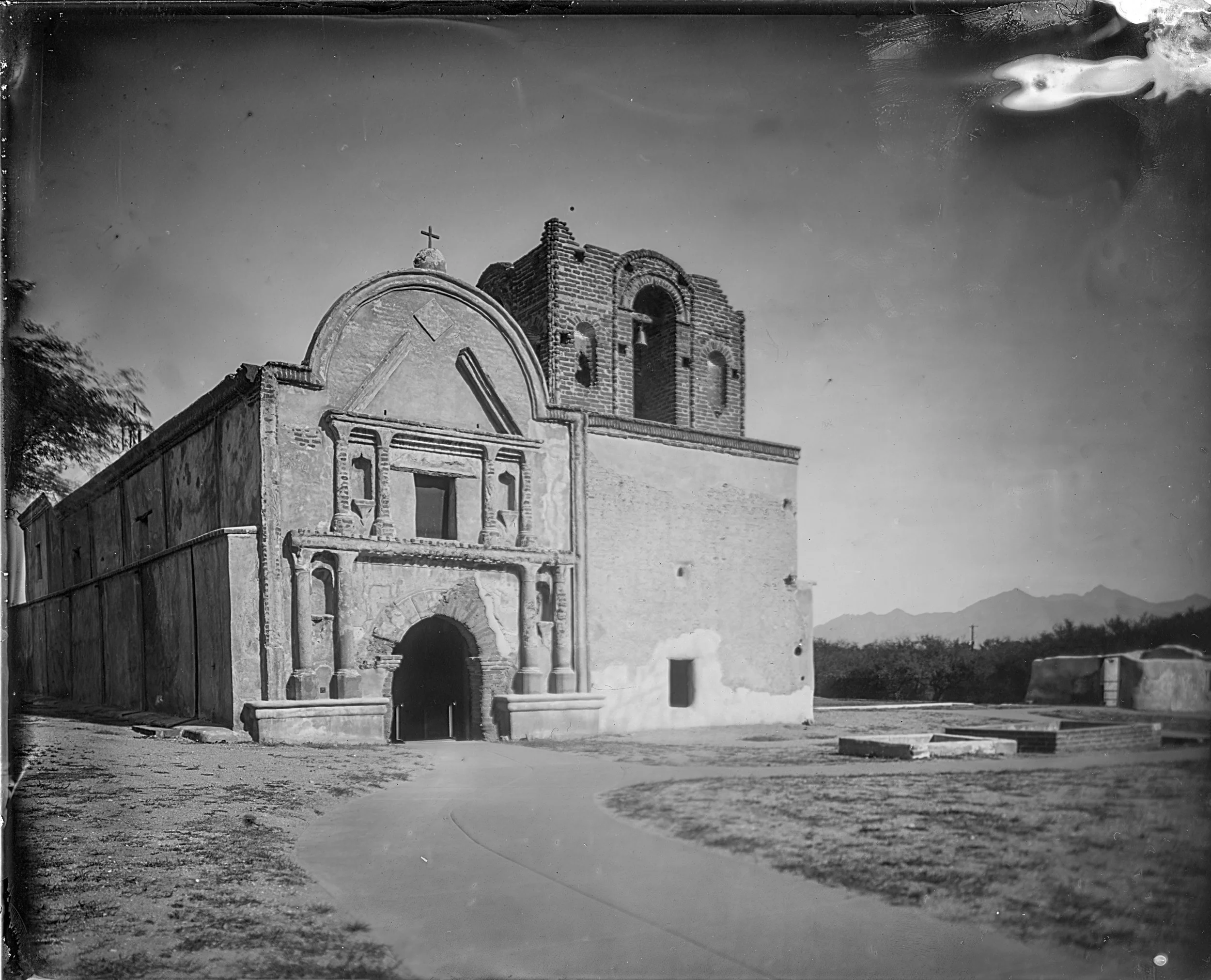
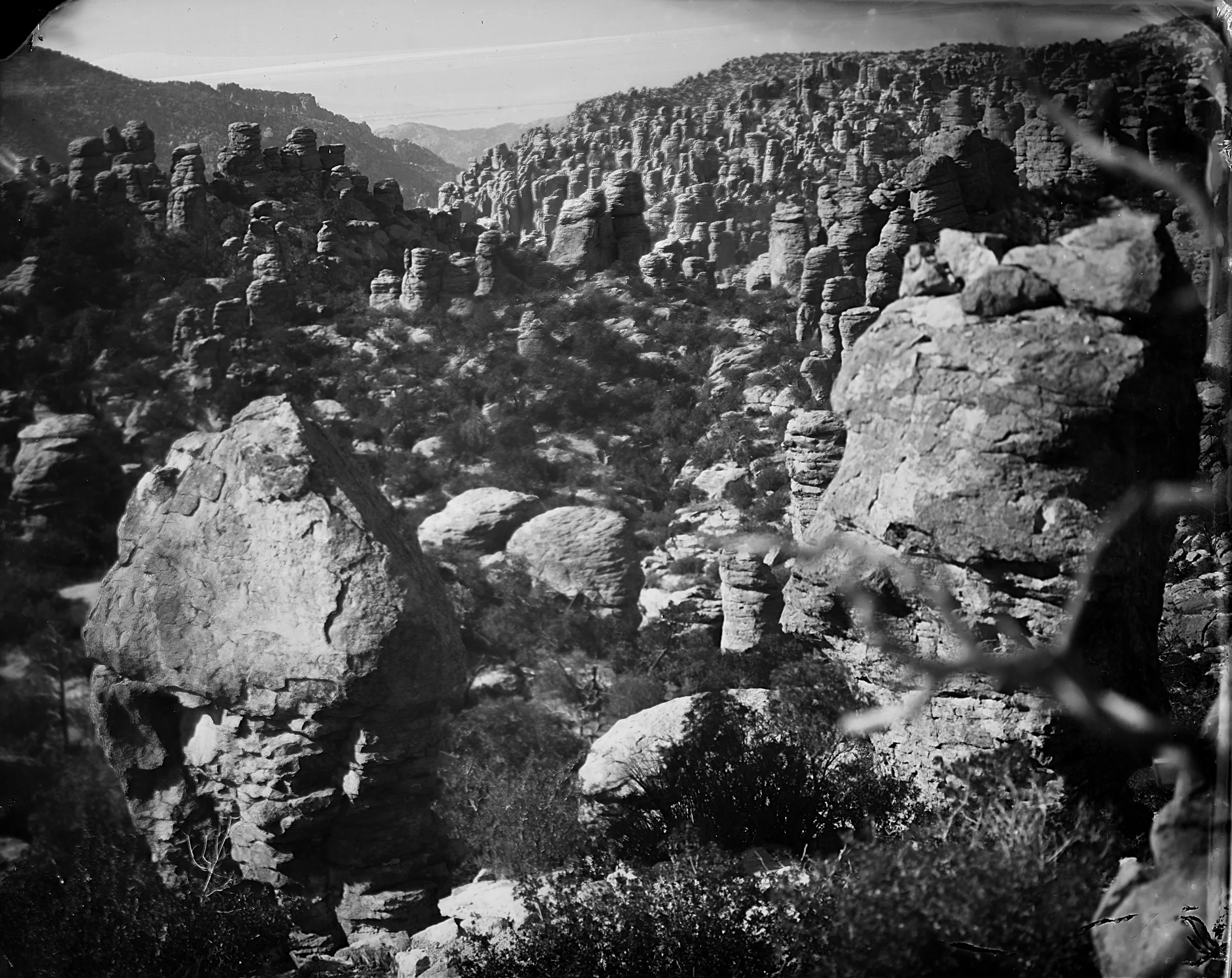
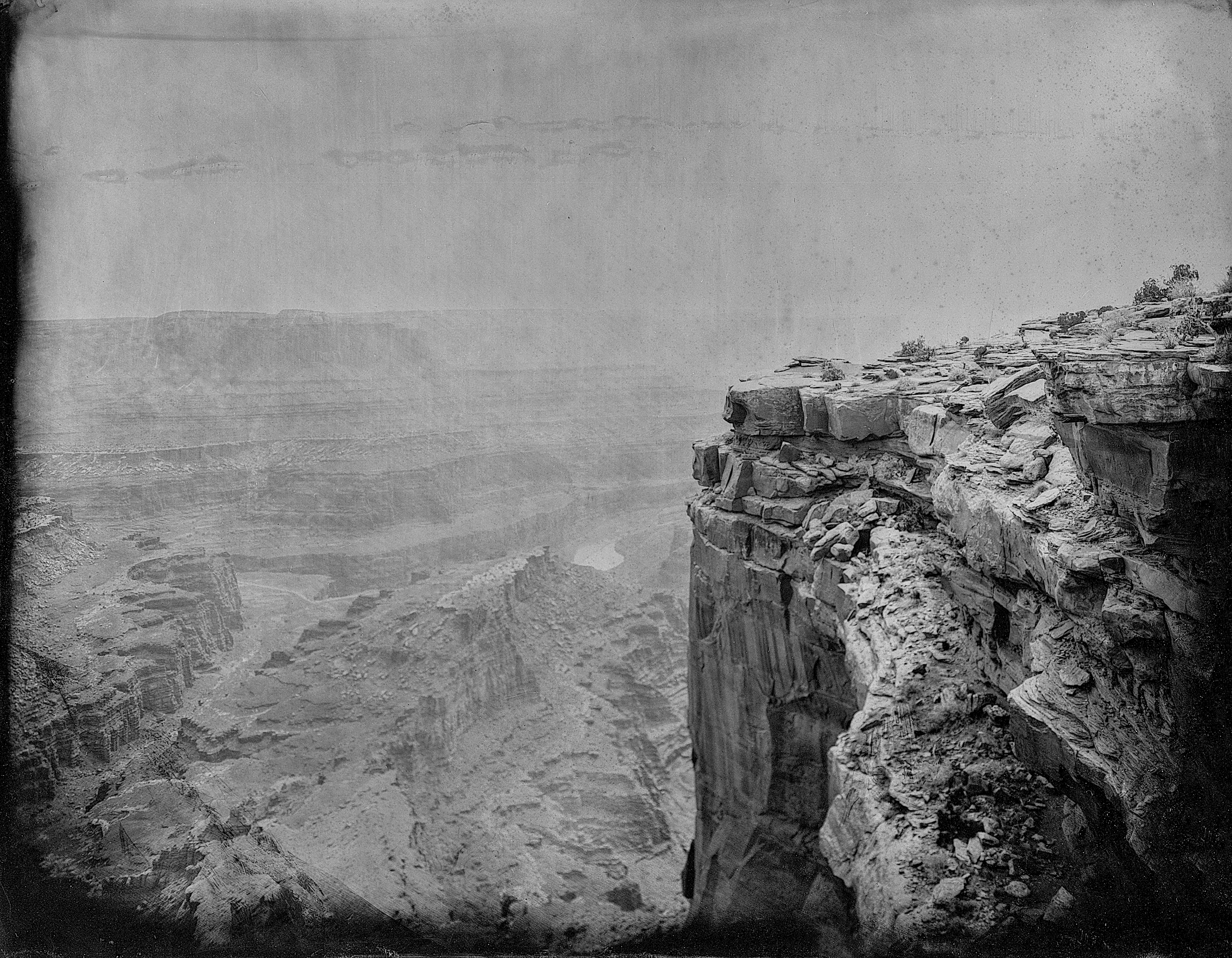
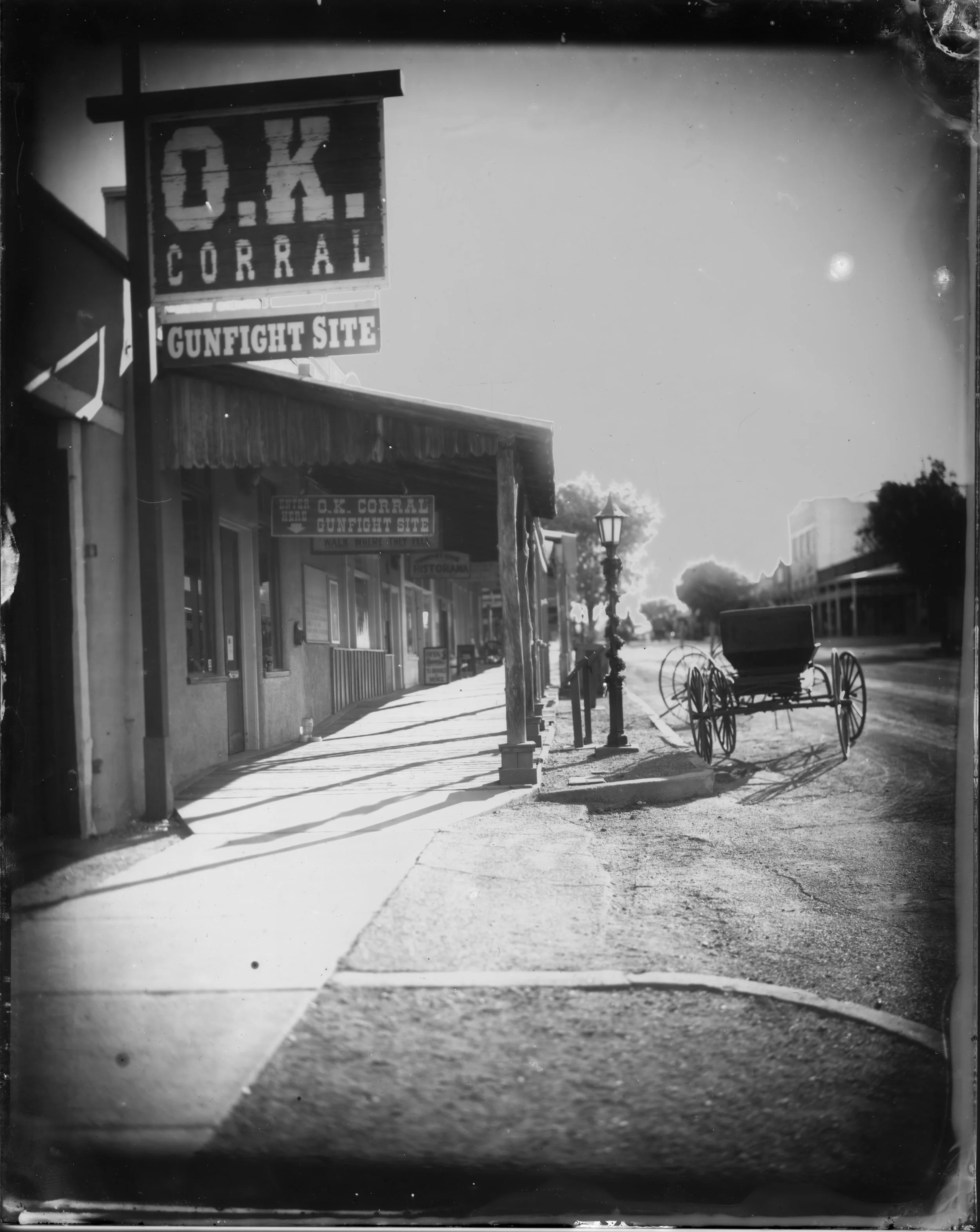
This photograph was made using the historic dry plate photographic process, an early silver-based technique widely used in the late 19th century during the height of the American frontier. Unlike modern photography, dry plates require deliberate preparation and a single, committed exposure, creating images that feel closer to artifacts than reproductions.
The O.K. Corral is one of the most legendary locations in the American West, known for the infamous 1881 gunfight that helped define the mythology of Tombstone, Arizona. Rather than attempting to reenact that moment, this plate focuses on the site itself—the physical ground where history hardened into legend, and where repetition has blurred fact and story.
Subtle imperfections, tonal shifts, and surface marks are inherent to the dry plate process and are preserved here as evidence of time, chemistry, and chance. These qualities reinforce the photograph’s connection to early Western imagery and the slower, more intentional pace of historical image-making.
Part of the NomadType Southwest series, this work explores themes of American myth, memory, and place through historic photographic methods, connecting contemporary travel with the visual language of the 19th-century West.
This photograph was made using the historic dry plate photographic process, an early silver-based technique widely used in the late 19th century during the height of the American frontier. Unlike modern photography, dry plates require deliberate preparation and a single, committed exposure, creating images that feel closer to artifacts than reproductions.
The O.K. Corral is one of the most legendary locations in the American West, known for the infamous 1881 gunfight that helped define the mythology of Tombstone, Arizona. Rather than attempting to reenact that moment, this plate focuses on the site itself—the physical ground where history hardened into legend, and where repetition has blurred fact and story.
Subtle imperfections, tonal shifts, and surface marks are inherent to the dry plate process and are preserved here as evidence of time, chemistry, and chance. These qualities reinforce the photograph’s connection to early Western imagery and the slower, more intentional pace of historical image-making.
Part of the NomadType Southwest series, this work explores themes of American myth, memory, and place through historic photographic methods, connecting contemporary travel with the visual language of the 19th-century West.