 Image 1 of 1
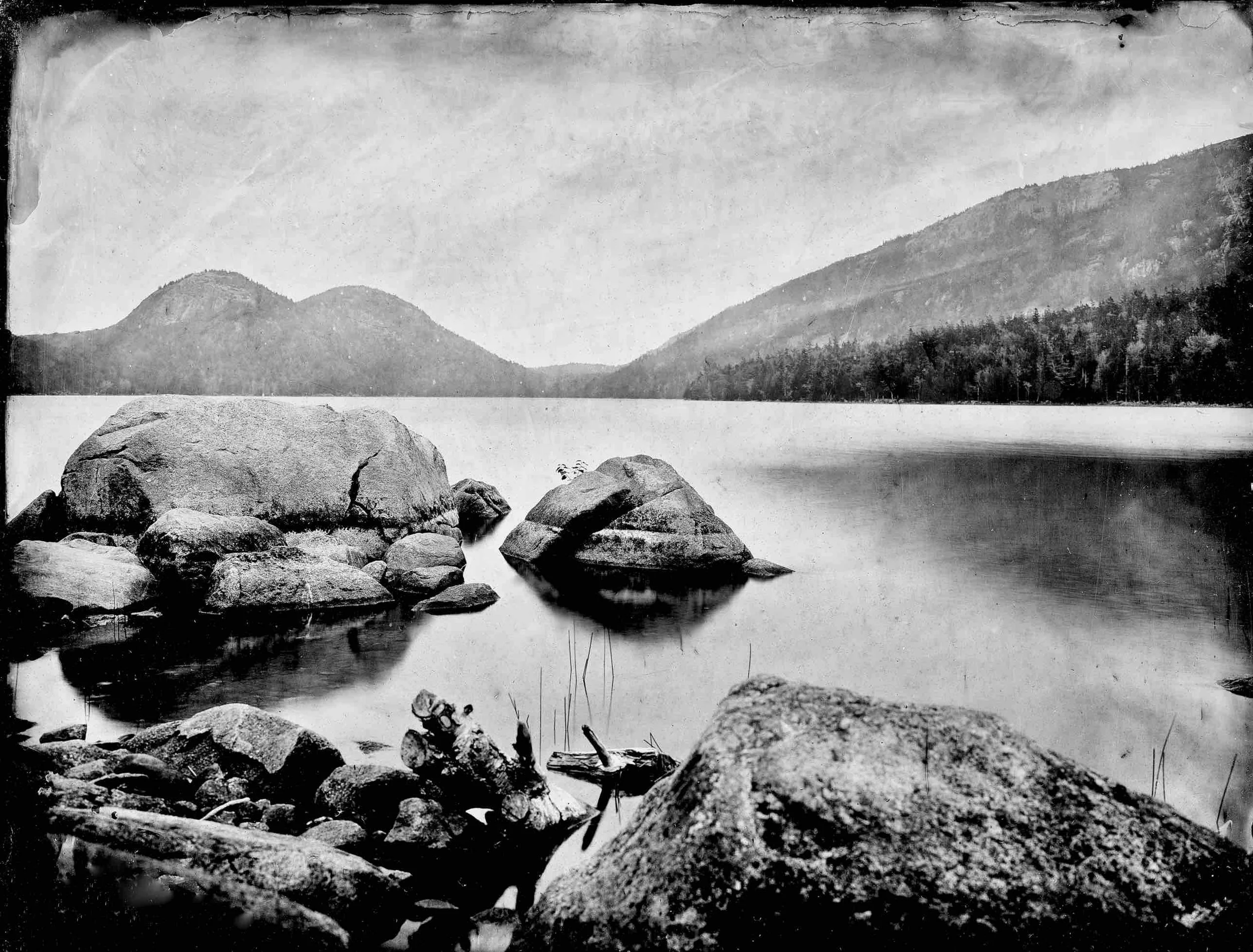
Two rounded summits above still water, and one of the most recognized views in Acadia National Park.
This photograph looks north across Jordan Pond toward the Bubbles, the pair of distinctive glacial hills rising at the far end of the lake. Surrounded by forest and granite mountains, Jordan Pond sits in the heart of Mount Desert Island, Maine. Fed by springs and known for its exceptionally clear water, the pond is one of Acadia's most celebrated natural landmarks. On a calm morning, its surface can become an almost perfect mirror, reflecting the rounded summits and surrounding woodland.
The Bubbles, North Bubble and South Bubble, were shaped by the movement of glaciers thousands of years ago. Their familiar silhouettes have become synonymous with the landscape of Acadia National Park. The combination of still water, wooded slopes and exposed granite has attracted artists, photographers and visitors to this part of the Maine coast for generations.
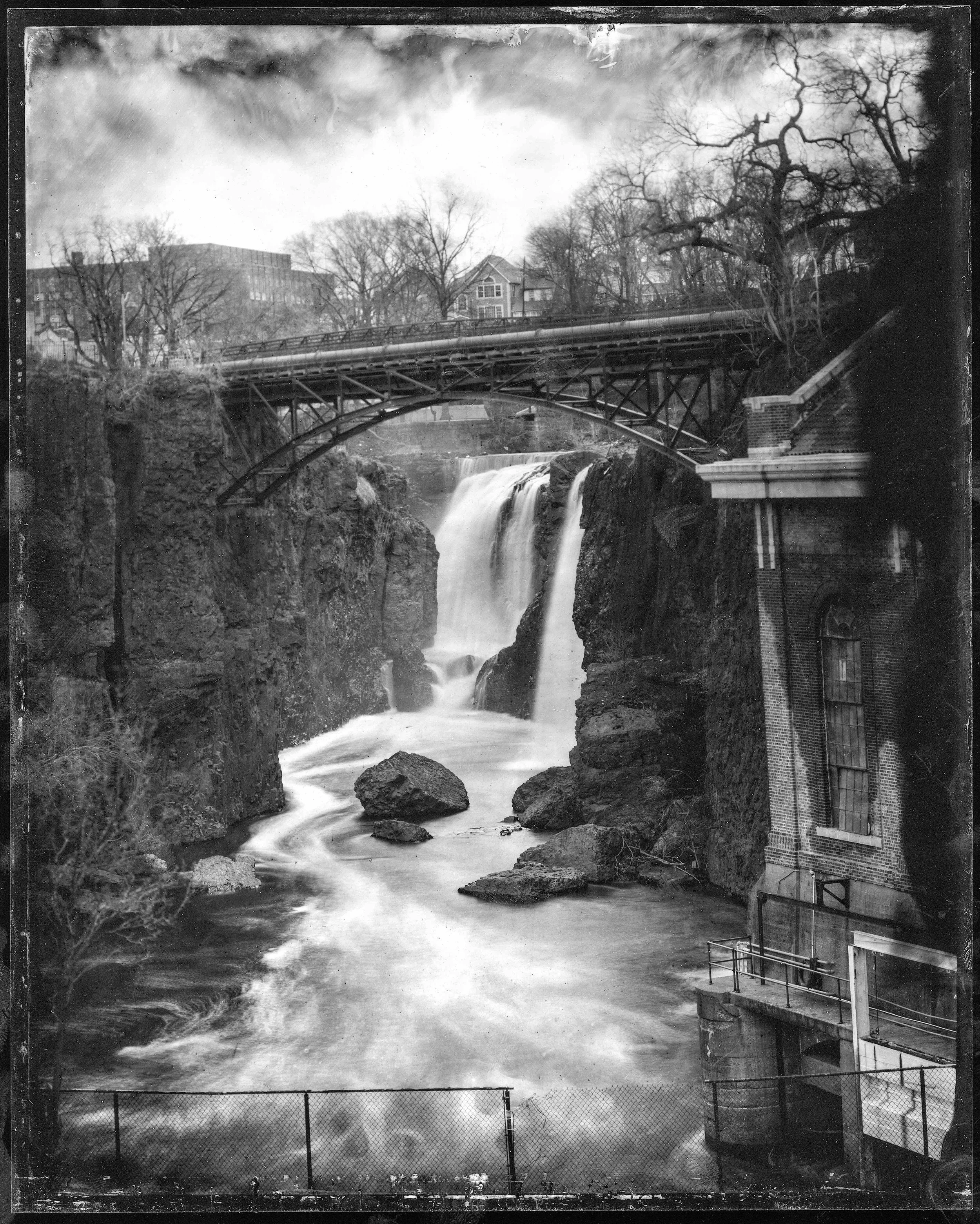
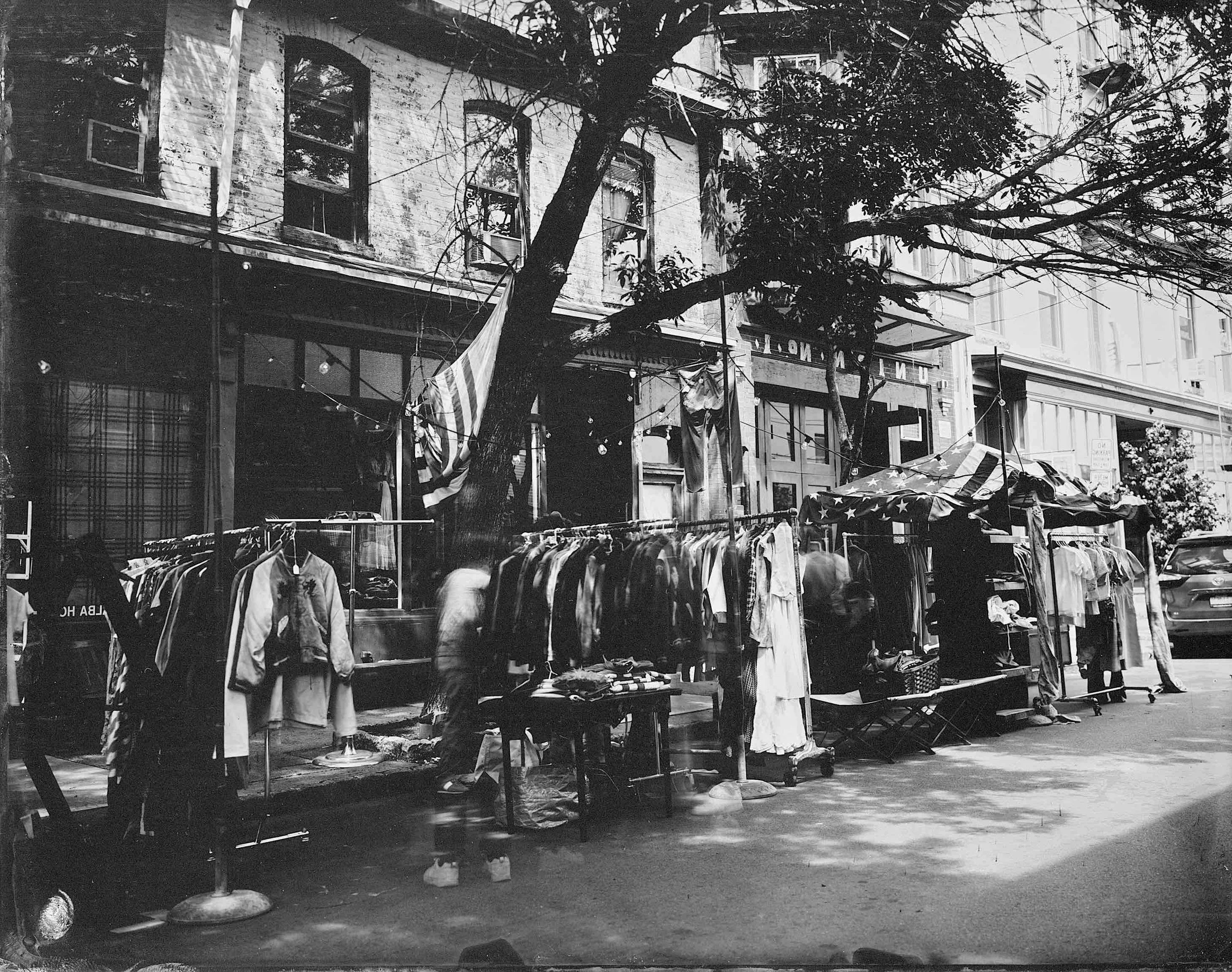
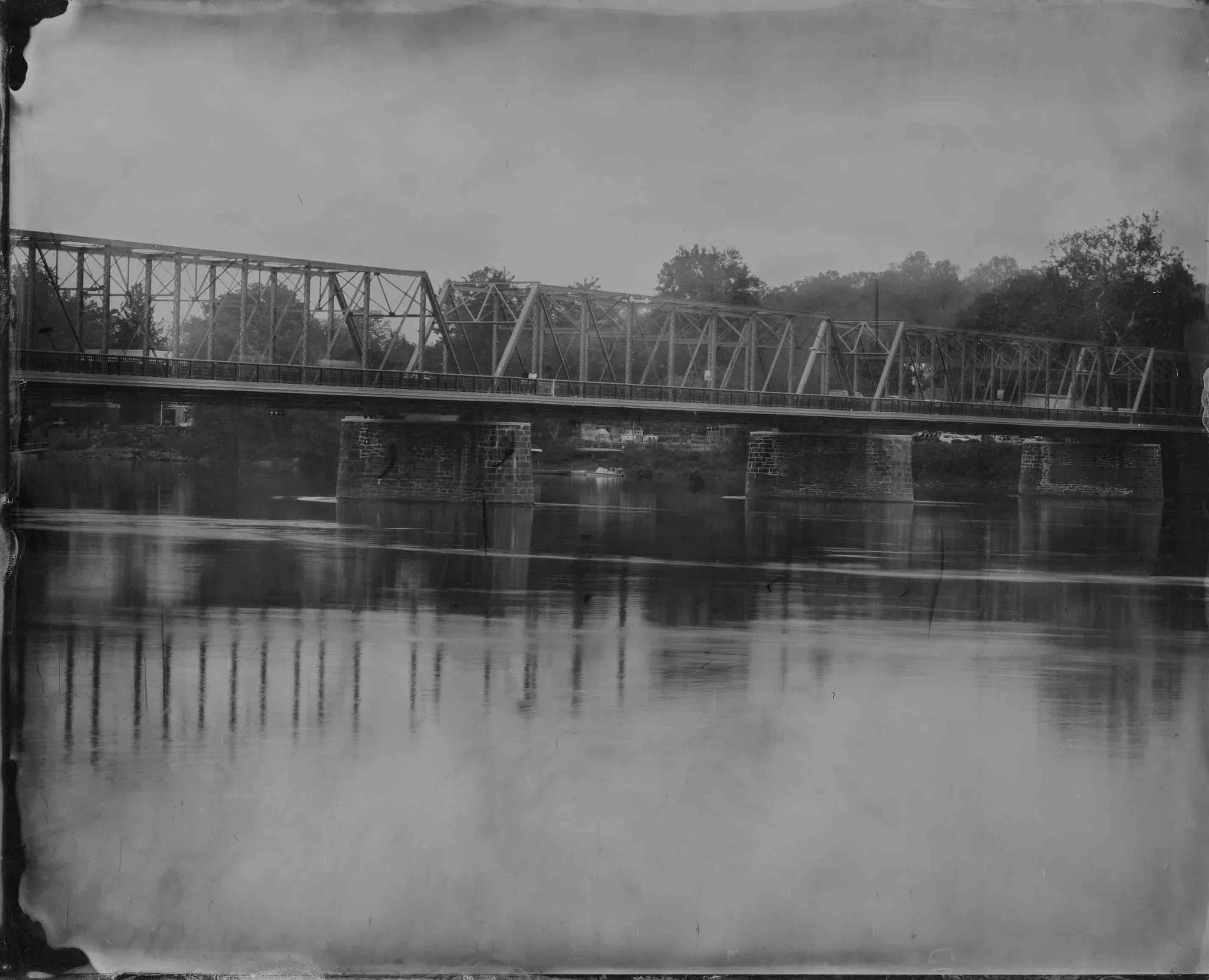
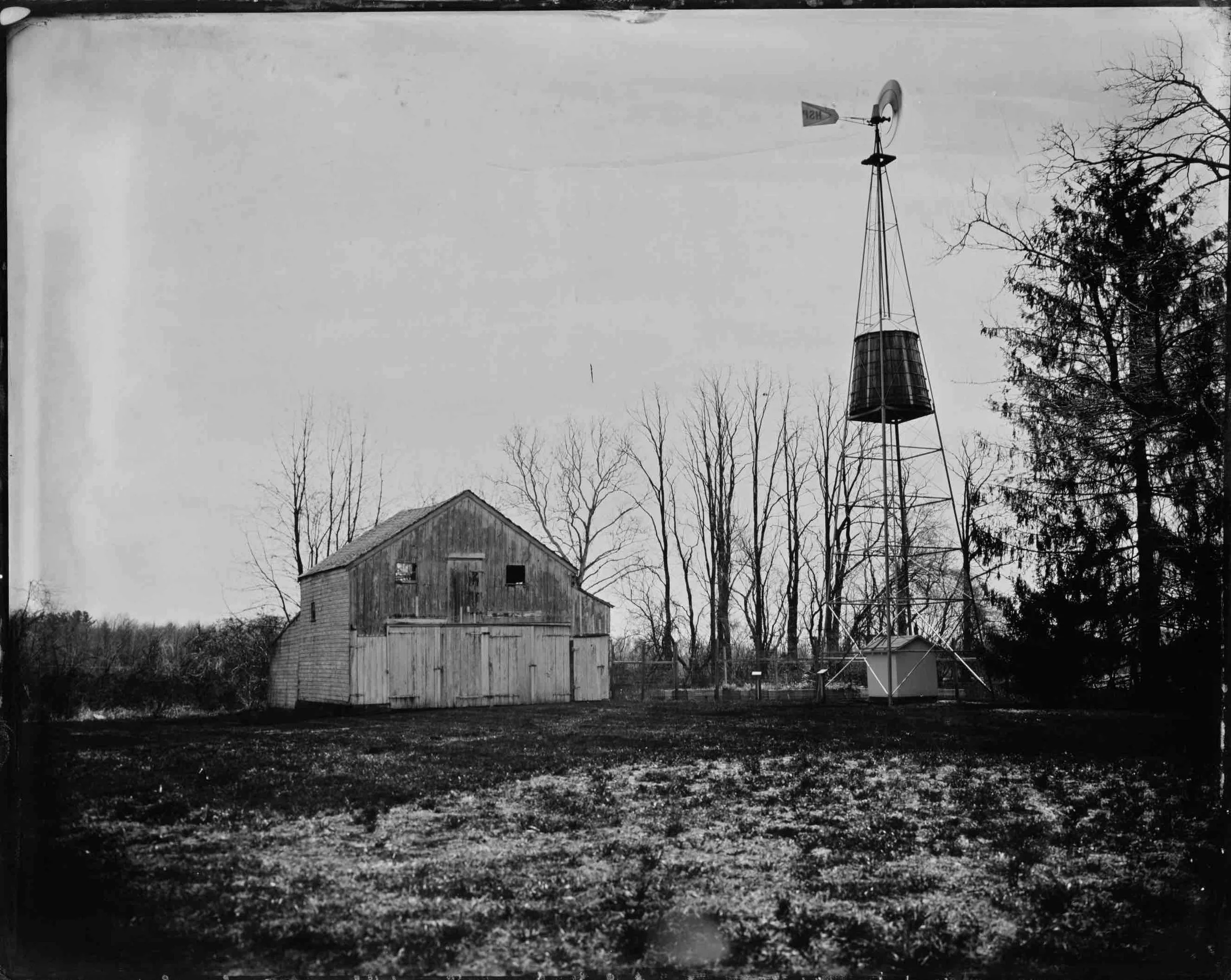
There is something particularly appropriate about recording this landscape using a photographic process from the nineteenth century. Long before digital cameras and modern photographic film, photographers travelled with cumbersome equipment, preparing their plates by hand and developing their images close to where they were exposed. The wet plate collodion process, introduced in 1851, made it possible to record landscapes with extraordinary detail and a distinctive range of tones.
This photograph was made using that same historic process. The plate was coated with collodion, sensitized with silver nitrate, exposed in the camera and developed on location, all within a matter of minutes. A portable darkroom built into the back of a truck made it possible to complete the entire operation beside the landscape being photographed.
The irregular marks visible around the edges of the photograph are the original collodion pour lines. These are not digital effects or later additions. They are physical traces of the hand-poured photographic coating, deliberately preserved as they appeared on the finished plate.
The original image has been reproduced as an archival fine art giclée print, retaining the tonal range, detail and atmosphere characteristic of wet plate collodion photography. Available in multiple sizes, it offers a distinctive interpretation of one of Maine's best-known landscapes, whether displayed as part of a photographic collection or as a larger statement piece.
Location: Jordan Pond, Acadia National Park, Mount Desert Island, Maine
Original Photographic Process: Wet Plate Collodion
Print Process: Archival Giclée
Available Sizes: Multiple sizes
A landscape photographed for generations, recorded through a process that belongs to the earliest years of photography.